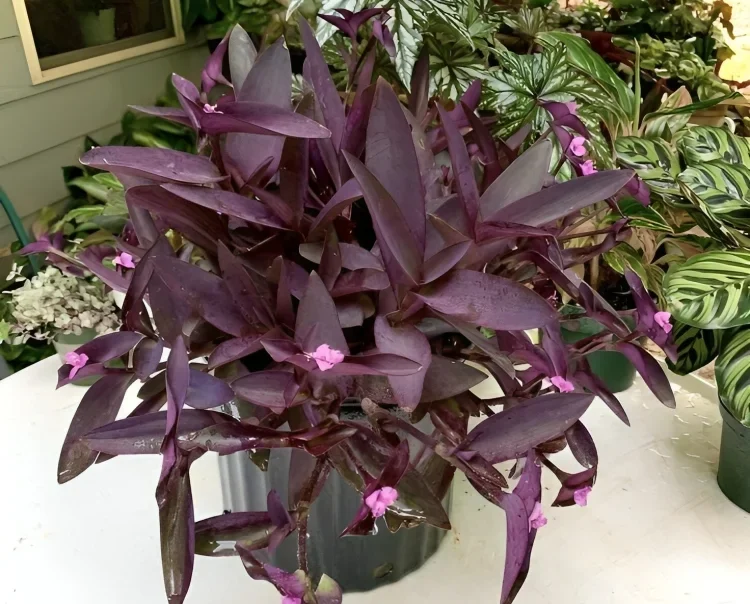
Purple Heart plant (Tradescantia pallida) thrives when given the right balance of sun, moisture, and soil. Many gardeners search “Purple Heart plant care” to keep its foliage bright purple and avoid leggy growth. Native to Mexico’s Gulf Coast, the Purple Heart displays vivid purple stems and leaves under bright light but becomes greener in shade. Moreover, proper care, including pruning, propagating, and moderate watering, helps this trailing plant stay lush and colorful indoors or outdoors.
Purple Heart plant care requires full sun (or very bright light), well-draining soil, regular watering when the soil dries, pruning to stay compact, and propagation from stem cuttings.
What Is Purple Heart & Why Grow It?
Botanical Background & Popularity of Purple Heart Plant
Purple Heart (also called purple spiderwort) is a tender perennial from the Commelinaceae family. It’s popular for its deep purple foliage and trailing stems. Because of its vibrant color and easy propagation, many use it in containers, hanging baskets, or as ground cover.
Color & Growth Habit of Purple Heart Plant
When exposed to full sun or high light, Purple Heart plant shows its strongest purple tones. In low light, leaves often fade to pale green. Also, its stems trail outward and become long, weak, or leggy without pruning. The Spruce+1
Essential Care Requirements for Purple Heart Plant
Purple Heart plants need bright light, well-draining soil, and moderate watering. Regular feeding and warm temperatures help maintain their vibrant purple color.
Light Needs in Purple Heart Plant Care
Purple Heart plant needs full sun outdoors or very bright indirect light indoors. If light is insufficient, foliage turns greenish rather than purple. However, too much harsh afternoon sun can scorch leaves.
Watering & Soil for Purple Heart Plant Care
Well-draining, rich soil is vital for the Purple Heart plant. Let the soil dry slightly between waterings, then water thoroughly. Avoid waterlogging since root rot can easily occur, a common issue also seen in other houseplants like the Rubber Plant losing leaves. As the Purple Heart plant matures, it tolerates short dry spells, making it a resilient addition to your indoor garden.
Temperature, Humidity & Fertilizer for Purple Heart Plant
Purple Heart plant prefers warm temperatures above about 60°F (≈15-16°C). It thrives with moderate to high humidity; dry air may lead to browning leaf edges. Fertilize lightly every 4-6 weeks during active growth; reduce feeding in winter.
Propagation, Pruning & Container Tips
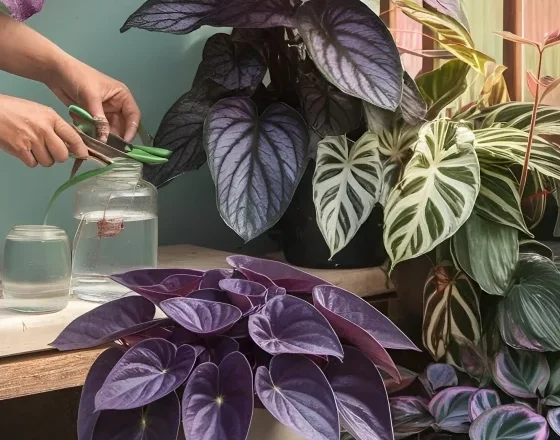
Easily propagate Purple Heart from stem cuttings in soil or water. Pruning keeps growth bushy, while containers with drainage support healthy roots.
How to Propagate Purple Heart Plant
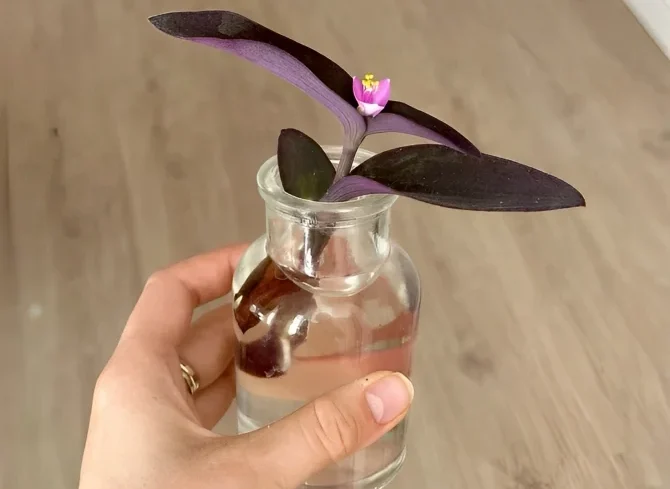
Propagation of Purple Heart plant is easy via stem cuttings. Simply cut a healthy stem with a node, place it in water or moist potting mix, and roots should form quickly. Replant once roots are established.
Pruning & Maintaining Shape in Purple Heart Plant Care
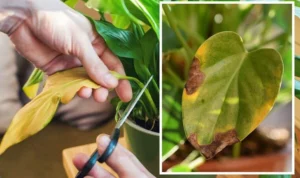
Pinch or trim stems regularly to prevent legginess. Remove dead or discolored leaves. When stems get too long or weak, cutting back encourages bushier growth. Also, pruning helps maintain compact, attractive form.
Potting, Repotting & Outdoor Use of Purple Heart Plant
Purple Heart plant grows well in containers, hanging baskets, or in garden beds in warm climates. Use pots with drainage holes and a well-draining mix. Repot annually when root-bound. Outdoors, protect from frost.
Common Problems & Troubleshooting
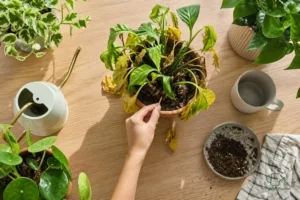
Overwatering causes yellow leaves, while low light fades purple color. Watch for pests like aphids or mealybugs, and trim damaged stems quickly.
Pests, Diseases & Leaf Color Issues in Purple Heart Plant Care
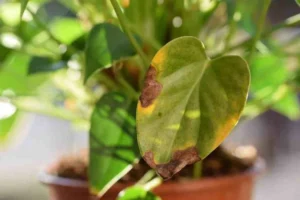
Pests like aphids, mealybugs, and scale sometimes infest the Purple Heart plant. Overwatering causes yellow leaves; too little light causes green leaves. Sun scorch appears as brown patches during hot days.
Overwintering & Seasonal Adjustments for Purple Heart Plant
If grown in colder climates, bring indoors or protect outdoors when frost threatens. Reduce watering and fertilizers in winter. Also, reduce light stress during darker months, but maintain a bright spot indoors.
Styling, Display & Placement Ideas
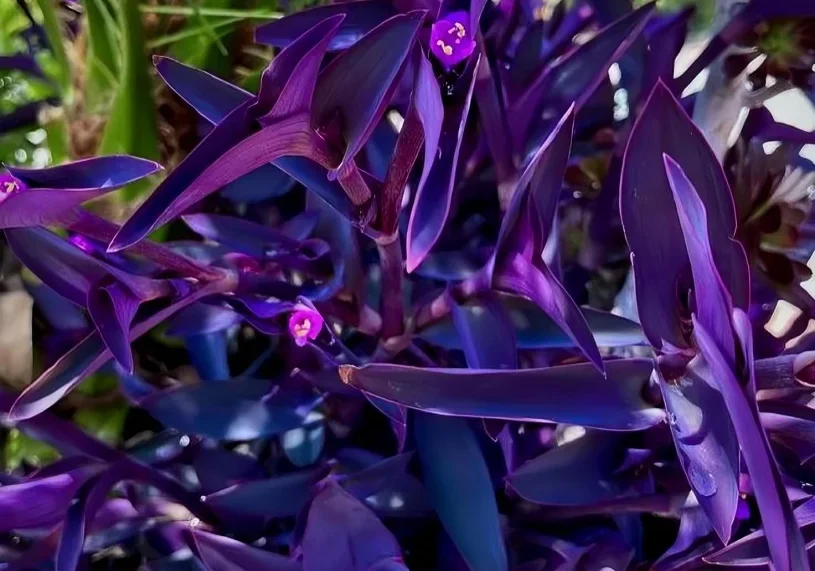
Use Purple Heart in hanging baskets or as striking ground cover. Pair it with green or variegated plants for bold color contrast indoors or outdoors.
Best Display Ideas for Purple Heart Plant
Use Purple Heart plant in hanging baskets so the trailing stems drape. Also great in mixed containers or as ground cover where color contrast matters. Combine with greens or variegated foliage plants.
Toxicity & Safety Considerations of Purple Heart Plant
Purple Heart plant sap may irritate skin; the plant is mildly toxic if ingested by pets or people. Wear gloves when pruning, keep out of reach of pets and children.
Conclusion
Purple Heart plant care demands bright light, well-draining soil, moderate watering, pruning, and occasional feeding. Although it tolerates drought, proper care ensures foliage stays vibrant purple instead of dull or green.
Additionally, keeping an eye on pests is important, as spider mites can sometimes affect its leaves; learning how to identify these early can help maintain plant health (signs of spider mites).
Because it is easy to propagate and versatile outdoors or indoors, it makes a rewarding plant for beginning growers or experienced green thumbs. Therefore, with regular attention to light, moisture, and maintenance, your Purple Heart plant will flourish, impress, and add bold, beautiful color to your space.
Frequently Asked Questions
How much sunlight does Purple Heart plant need?
Purple Heart plant requires full sun or very bright indirect light. Less light makes leaves green.
How often should I water my Purple Heart plant?
Water when the top 1-2 inches of soil are dry. Overwatering causes yellowing or root issues.
Can I grow Purple Heart plant indoors?
Yes. Place it in a bright window and ensure good light exposure. Use a humidifier if the indoor air is dry.
Is Purple Heart plant toxic to pets?
Mildly. Sap may irritate skin and ingestion can cause mild upset in pets. Keep out of reach.
How do I keep my Purple Heart plant bushy, not leggy?
Regular pruning, pinching new stems, and ensuring plenty of light keep growth compact and lush.