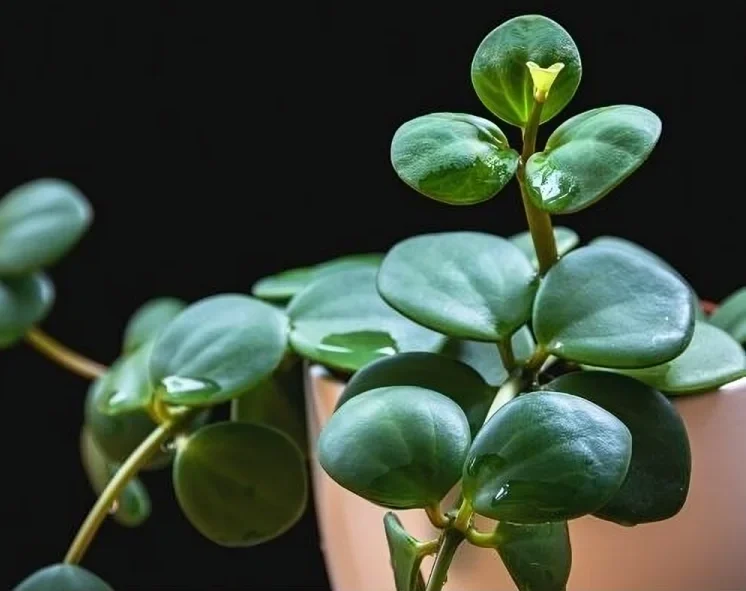
Peperomia Hope is a rare, trailing houseplant admired for its round, coin-like leaves. Moreover, it is loved for its compact size, and in fact, many beginners prefer it because of its simple care routine. Additionally, this plant blends beauty with practicality, and it adapts well to modern indoor environments.
This Peperomia Hope Care Guide explains everything from light and soil to propagation and styling. As a result, readers will gain step-by-step knowledge for maintaining healthy growth.
However, it is important to understand its specific needs; similarly, consistency in watering and light ensures long-term success. Although it is easy to manage, mistakes like overwatering can be harmful; instead, proper care guarantees lush, trailing vines.
Peperomia Hope thrives in bright, indirect light, well-draining soil, and moderate watering. Consequently, it remains a low-maintenance plant suitable for homes and offices.
Meanwhile, its trailing habit makes it a great choice for hanging baskets, and thus, it adds greenery in compact spaces. Overall, with minimal effort, Peperomia Hope rewards growers with year-round charm, and finally, its easy propagation makes it an ideal indoor companion for both beginners and collectors.
Overview of Peperomia Hope
What is Peperomia Hope?
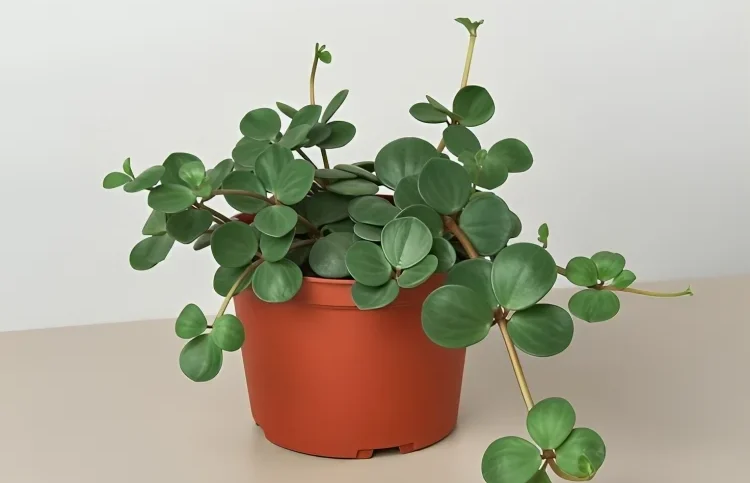
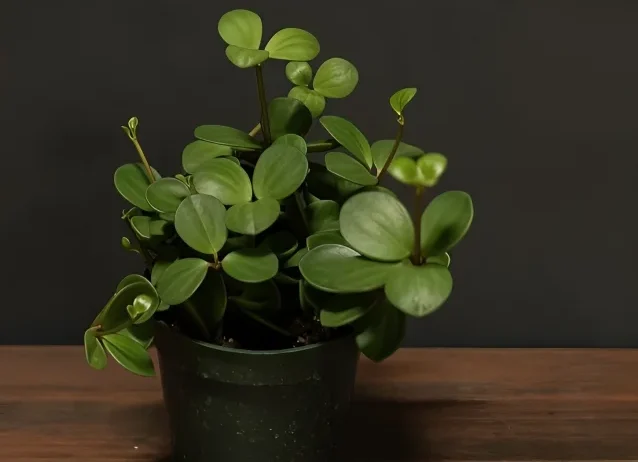
Peperomia Hope (Peperomia tetraphylla ‘Hope’) is a hybrid variety of the Peperomia family.
It features small, succulent-like leaves that grow in clusters along trailing stems.
This plant is native to tropical and subtropical regions and thrives in warm conditions.
Its unique growth habit makes it ideal for hanging baskets and decorative displays.
Why Choose Peperomia Hope?
It is low-maintenance and requires less attention than many houseplants. Moreover, it is non-toxic to pets and children, making it family-friendly. The coin-shaped leaves provide texture, color, and a modern touch to interiors. Additionally, its trailing habit works well for shelves, windowsills, and planters.
Light, Soil, and Temperature Needs
Light Requirements
It prefers bright, indirect light for lush, green foliage. Direct sunlight burns the leaves, while too little light causes leggy growth. This plant adapts to medium light, making it suitable for apartments. However, consistent filtered light ensures healthy growth and a compact shape.
Soil & Potting Mix
It requires a light, well-draining soil mix for root health. A blend of peat moss, perlite, and orchid bark works exceptionally well. The soil should retain slight moisture but not stay soggy. Excess water leads to root rot, so drainage holes are essential.
Temperature & Humidity
The ideal temperature range is between 65–80°F (18–27°C). It should never be exposed to drafts, sudden chills, or frost. It enjoys moderate humidity and adapts to average indoor air. However, occasional misting or a pebble tray enhances growth in dry climates.
Watering & Feeding Peperomia Hope
Watering Schedule
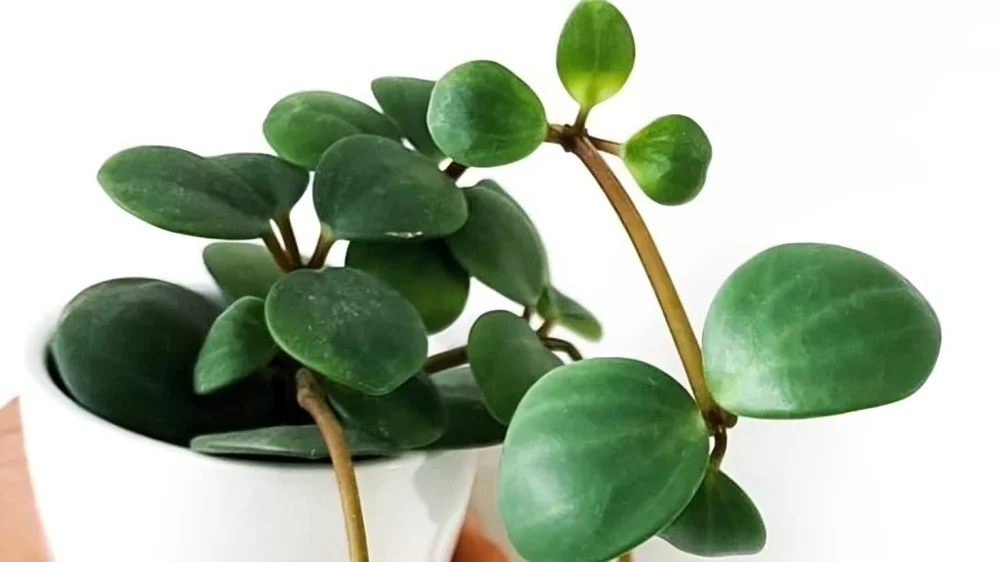
It stores some water in its succulent-like leaves.
Therefore, let the top two inches of soil dry before watering again.
Overwatering is the most common mistake and leads to root rot.
Instead, water lightly and ensure excess moisture drains away.
Fertilization Tips
Feed with a balanced liquid fertilizer diluted to half strength.
Apply once a month during the spring and summer growing seasons.
In fall and winter, stop fertilizing to prevent salt build-up.
This resting period allows the plant to recover and stay healthy.
Propagation & Repotting
Propagation Methods
It is easy to propagate through stem cuttings.
Cut a healthy stem and place it in water or moist soil.
Roots appear within weeks, and new growth develops quickly.
This makes Peperomia Hope an excellent plant to share with friends.
Repotting Guidelines
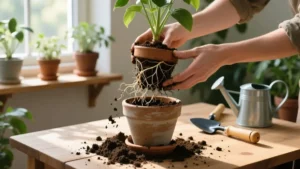
This plant grows slowly and does not require frequent repotting. Generally, you only need to repot every 2–3 years or when the pot becomes too crowded.
When repotting, choose a container only slightly larger than the old one, since too much extra soil can hold water and cause root stress. Refreshing the soil not only improves drainage but also supplies fresh nutrients, giving your fern a healthy boost.
Interestingly, similar repotting and soil-refresh techniques also help prevent issues in other houseplants. For example, peace lily leaves turning yellow is often linked to poor drainage or compacted soil—challenges that fresh soil can resolve.
Styling Peperomia Hope Indoors
It looks beautiful in small decorative pots.
Its trailing vines make it perfect for shelves, desks, or hanging baskets.
Use macramé hangers or ceramic planters to highlight its foliage.
Additionally, grouping Peperomia with other houseplants enhances variety and contrast.
Bathrooms and kitchens are excellent spots because of natural humidity.
In offices, its compact size makes it a calming desk companion.
Common Problems & Troubleshooting
Overwatering & Root Rot
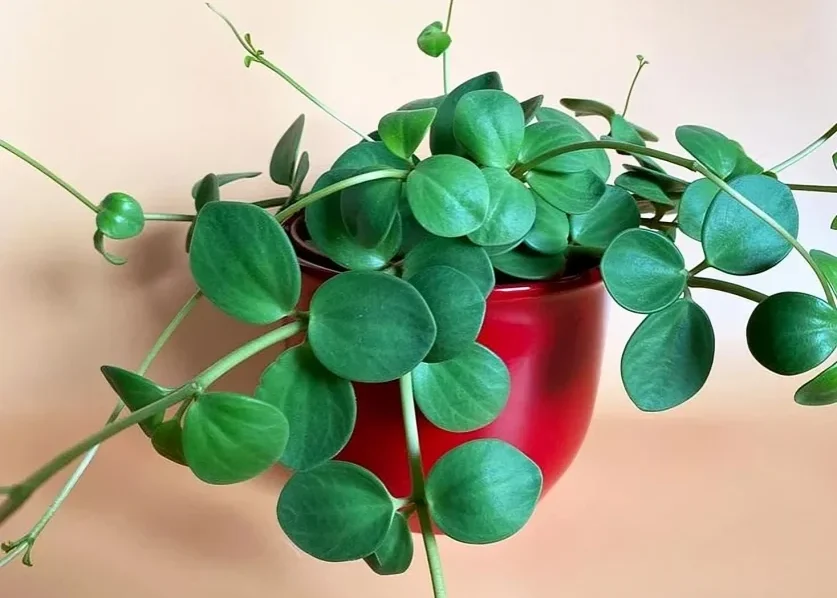
Soggy soil causes roots to rot and leaves to yellow.
Always allow soil to dry slightly before watering again.
Leggy or Weak Growth
Insufficient light causes stretching and weak stems.
Move the plant closer to a bright, filtered window.
Leaf Wrinkling or Dropping
Wrinkled leaves often signal underwatering or low humidity.
Dropping leaves may also occur from sudden temperature changes.
Pest Infestations
Mealybugs, spider mites, and scale may attack in dry air.
Wipe leaves with neem oil or insecticidal soap as treatment.
Benefits & Uses of Peperomia Hope
It improves indoor air quality by filtering toxins.
Its small size makes it perfect for apartments and small spaces.
This plant adds beauty without overwhelming the room or requiring effort.
Moreover, it is safe for pets and children, unlike many houseplants.
The coin-shaped leaves also symbolize prosperity and good luck.
Therefore, it makes an excellent gift for plant enthusiasts.
Seasonal Care Tips
During spring and summer, water and fertilize regularly for growth.
It may produce small, spike-like flowers in this season.
In fall and winter, reduce watering and skip fertilizing.
The plant slows down and needs less maintenance in cooler months.
Rotate the pot every few weeks for even growth.
This prevents vines from leaning toward the light source.
Peperomia Hope Varieties & Relatives
It is related to several other beautiful Peperomia species.
These include:
-
Peperomia obtusifolia – baby rubber plant with glossy leaves.
-
Peperomia caperata – ripple-textured foliage in dark green or red.
-
Watermelon Peperomia – striped leaves resembling watermelon skin.
-
Peperomia rotundifolia – trailing type with tiny, round leaves.
These relatives share similar care needs but vary in appearance.
Combining them creates a diverse indoor collection with stunning foliage.
Peperomia Hope Care Guide – Quick Checklist
| Care Factor | Recommendation |
|---|---|
| Light | Bright, indirect light |
| Water | Let the top 2 in the soil dry before watering again |
| Soil | Well-draining mix with peat and perlite |
| Temperature | 65–80°F, avoid drafts and cold air |
| Humidity | Moderate, mist occasionally |
| Fertilizer | Monthly in spring and summer |
| Propagation | Stem cuttings in soil or water |
| Repotting | Every 2–3 years when pot-bound |
| Safety | Non-toxic to pets and children |
Conclusion
This Peperomia Hope Care Guide covered light, watering, soil, propagation, and styling tips; moreover, it explained seasonal care, common problems, and indoor uses. In fact, Peperomia Hope is a perfect choice for beginners and collectors; additionally, it combines beauty, safety, and resilience in one compact plant. Furthermore, it adapts easily to homes and offices, and as a result, it thrives with little effort.
For comparison, if you’re dealing with leaf issues on other houseplants, you may find this guide on fiddle fig leaves falling helpful, as it explains causes and solutions for this common problem.
However, avoid overwatering to prevent root rot; similarly, provide bright, indirect light to avoid leggy growth. Although slow-growing, it rewards patience with long-lasting greenery; instead, focus on its easy propagation and decorative appeal. Meanwhile, moderate humidity helps keep its coin-shaped leaves glossy; consequently, this plant remains attractive throughout the year.
Overall, Peperomia Hope offers elegance with simplicity; thus, it is an excellent addition for any indoor gardener. Finally, add Peperomia Hope to your collection today and enjoy effortless charm year-round.
FAQs about Peperomia Hope
1. Is Peperomia Hope easy to grow indoors?
Yes, it is a low-maintenance plant well-suited for beginners.
2. How often should I water Peperomia Hope?
Water only when the top two inches of soil feel dry.
3. Can Peperomia Hope survive in low light?
It tolerates medium light but prefers bright, indirect sunlight.
4. Why are my Peperomia Hope leaves turning yellow?
This usually indicates overwatering or poor soil drainage.
5. Does Peperomia Hope need pruning?
Yes, trimming helps maintain shape and encourages fuller growth.