Are you thinking about getting an aloe plant but worried you might not know how to care for it? Don’t worry, taking care of an aloe vera plant is easier than you might think.
Wondering why that is?
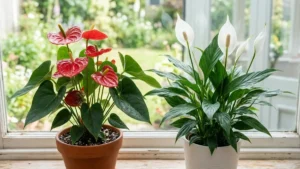
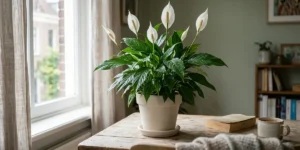
Aloe vera is one of the strongest and easiest plants to look after. Its thick leaves store water, so it does not need much care. It looks good anywhere and is useful if you need a calming gel for burns, cuts, or skin care. People have used aloe vera for hundreds of years because it helps heal and makes indoor spaces nicer. If you enjoy easy-care indoor greenery, you might also love growing a Peace Lily plant indoors, which is another low-maintenance and air-purifying favorite.
You don’t need any special experience to keep this plant healthy. Even if you forget to water it once in a while, aloe vera can still survive and bounce back. That’s what makes Aloe Vera Plant Care perfect for beginners and busy people alike.
Not sure how to care for it? No need to worry. This guide will walk you through each step, so you can keep your aloe vera plant healthy and growing without any stress.
Let’s get started and learn the simple tips for successful aloe vera plant care. If you’re new to houseplants, learning how to grow plants for beginners can make your plant journey even easier and more enjoyable.
Aloe Vera Care Secrets Every Wellness Lover Should Know
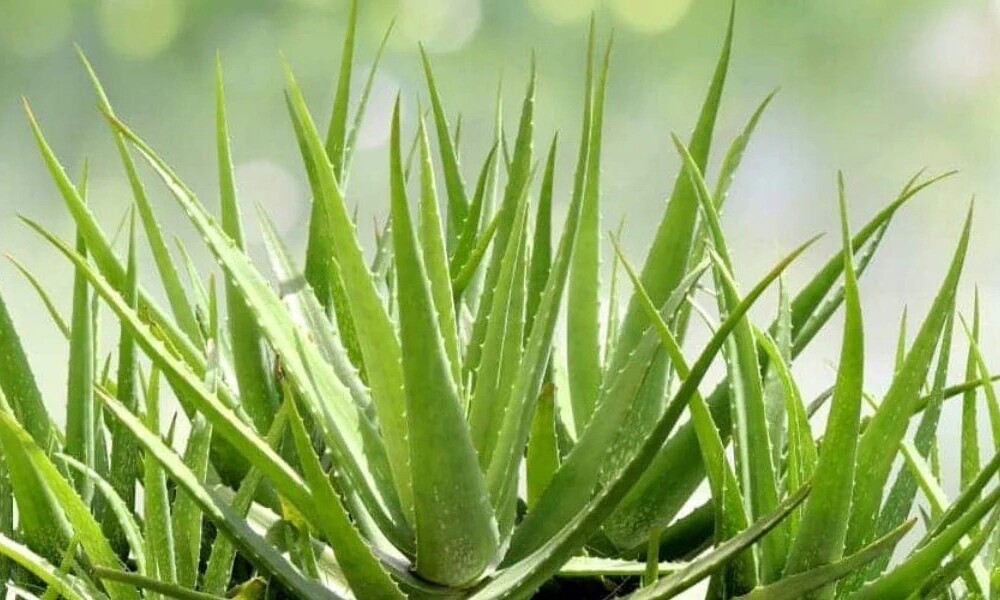
Aloe vera plants are easy to care for. They do best in conditions similar to their desert home, so give them plenty of light, water them only occasionally, and use soil that drains well.
Just follow these fundamentals to keep your aloe healthy and your wellness supply rich.
Light Requirements
Aloe vera needs lots of bright, natural light to stay green and strong. Let’s know about aloe vera sunlight needs:
- Bright Indirect Light: Place your plant near a sunny window; south or west-facing spots are ideal. This provides the energy it needs without the risks of midday heat.
- Avoid the “Stretch”: If your plant is in a dark spot, it will grow long, thin leaves that reach for the nearest light.
- Watch for Sunburn: While they love the sun, being pressed right against hot glass can scorch the leaves, turning them an orange or reddish-brown hue.
Understanding why plants need sunlight will help you choose the best placement for your aloe and other indoor plants.
Aloe Vera Watering Needs
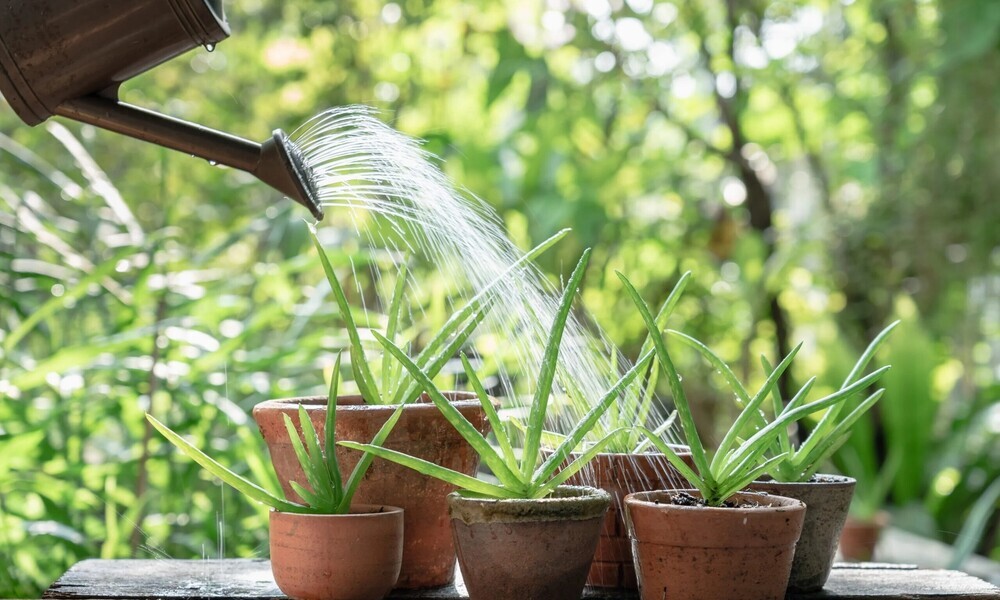
Knowing how much water your aloe needs is key. Since they are succulents, they store water in their leaves and can go a long time without being watered.
- The “Dry-Out” Rule: Water your aloe only when the top 2 to 3 inches of soil are dry. In summer, this could be every two weeks. In winter, once a month may be enough.
- Deep but Infrequent: When you do waterDeep but Infrequent: When you water, soak the soil until water runs out the bottom. This helps the roots grow deep and strong. Your plant sits in standing water. Overwatering is the #1 killer of aloe, causing the roots to rot and the leaves to turn mushy.
Learning proper watering techniques for indoor plants can prevent common problems and keep your aloe thriving year-round.
Soil and Potting
Aloe vera grows in sandy, low-nutrient soil in nature. To help it thrive at home, start with the right kind of soil.
- Succulent Mix: Choose a potting soil made for cacti or succulents, as it drains well. Stay away from heavy clay soils that hold too much water.
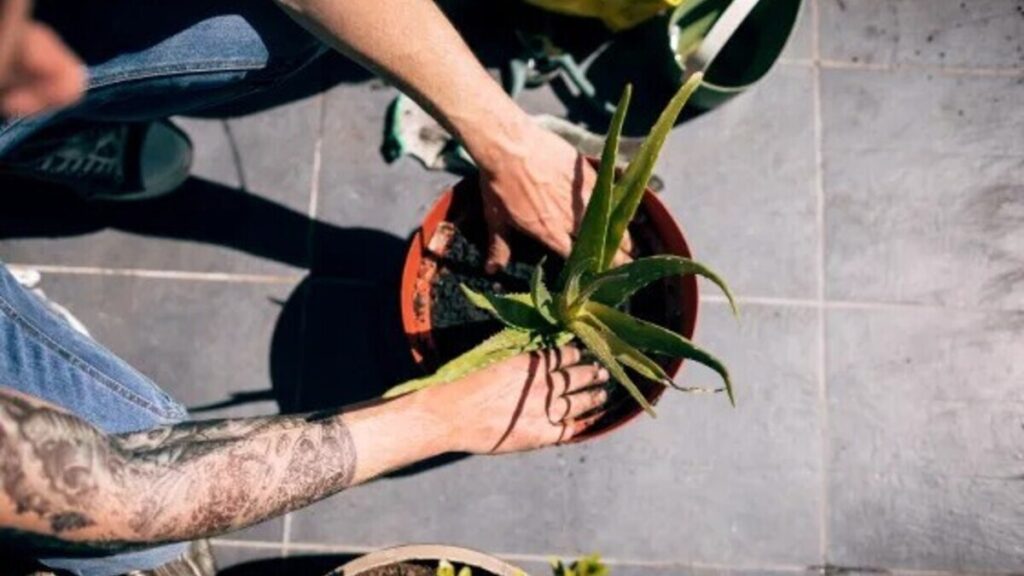
- Terra Cotta Advantage: Terra cotta potTerra Cotta Advantage: Terra cotta pots let extra moisture escape through their walls. This helps beginners avoid overwatering their plants.
Choosing the right aloe vera potting soil mix makes a big difference in keeping roots healthy and preventing moisture buildup.
Why Aloe Vera Plant Care Essential
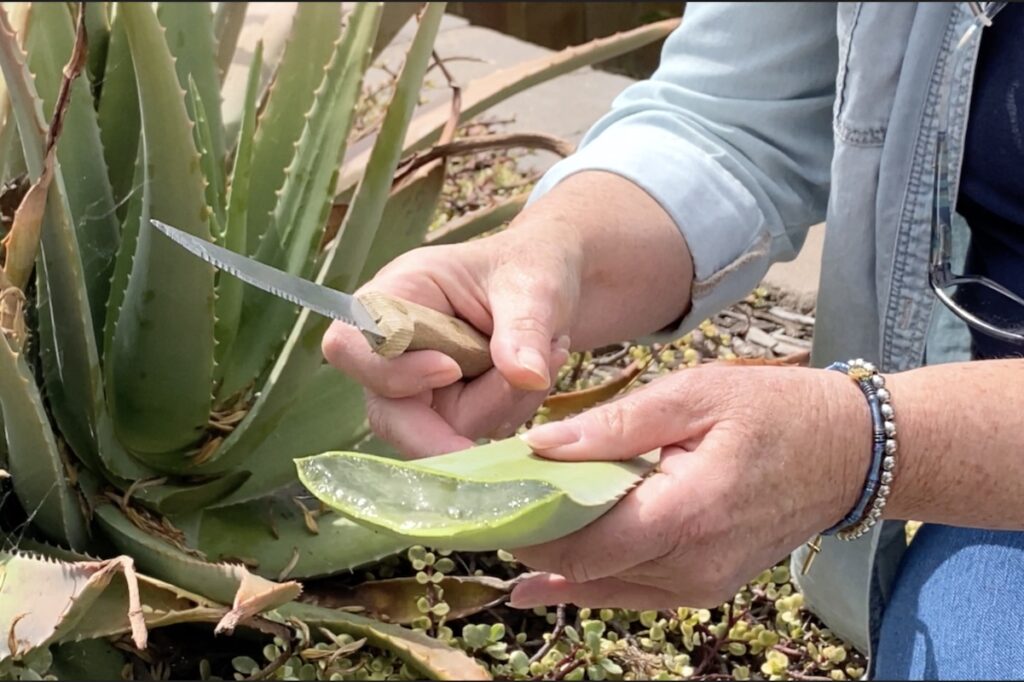
Aloe vera isn’t just nice to look at. Keeping this plant at home can bring real benefits for your health and living space.
Skin Soother
The clear gel inside aloe leaves is great for minor burns, cuts, and scrapes. It has antioxidants and vitamins that help your skin heal faster.
The Ultimate Moisturiser
Aloe vera is a great choice for natural skincare. It hydrates your skin and can help reduce fine lines, all without feeling greasy.
Natural Air Purifier
Aloe vera can help clean the air in your home by removing harmful chemicals like formaldehyde and benzene.
A Living First-Aid Kit
With fresh aloe gel nearby, you always have a soothing remedy for insect bites or kitchen burns right on your windowsill.
Common Problems and How to Fix Them
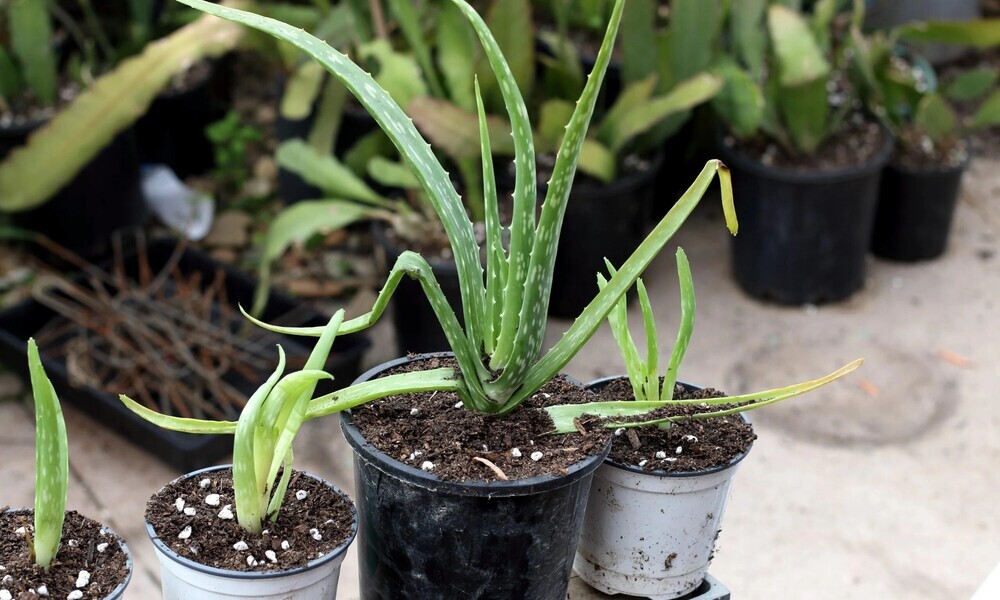
Even though Aloe Vera Plant Care is simple, your plant can still run into a few common problems. The good news? Most of them are easy to spot and fix if you act early.
1. Yellow or Mushy Leaves
This usually happens when your aloe is getting too much water. Aloe vera stores water in its leaves, so overwatering can cause root rot.
How to fix it: Stop watering immediately and let the soil dry out completely. Make sure your pot has drainage holes and use well-draining soil.
If your plant is already struggling, understanding how to save an aloe vera plant can help you bring it back to life quickly.
2. Brown, Dry, or Crispy Leaf Tips
This is often a sign of underwatering or too much direct, harsh sunlight.
How to fix it: Water your plant when the soil is fully dry and move it to a spot with bright but indirect sunlight.
3. Drooping or Soft Leaves
If the leaves look weak or droopy, your plant may be stressed from improper watering or lack of light.
How to fix it: Check the soil. If it’s too wet, let it dry. If it’s too dry, water it lightly. Also, make sure your aloe gets enough bright light.
4. Thin, Curled Leaves
This usually means your aloe vera is thirsty and using up its stored water.
How to fix it: Give it a deep watering and allow excess water to drain out completely.
5. Root Rot
Root rot is one of the worst problems and happens when you water too much or the water cannot drain away.
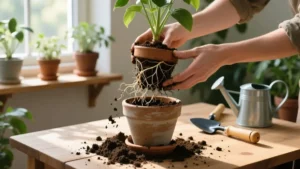
How to fix it: Remove the plant from the pot, cut off any black or mushy roots, and repot it in fresh, dry, well-draining soil.
Root rot can also affect other houseplants, especially peace lilies, so it’s helpful to know the signs of peace lily root rot as well.
6. Slow or No Growth
If your aloe isn’t growing, it may not be getting enough light or nutrients.
How to fix it: Move it to a brighter spot and try a gentle plant food during the time it is growing.
Most problems happen because of overwatering or poor drainage. Once you understand these basics, Aloe Vera Plant Care becomes easy, and your plant will stay healthy for years.
Conclusion
Aloe vera plant care is easy, even if you are new to plants. Give it lots of bright light, water only when the soil is totally dry, and use a pot that lets air move through. If you do these things, your aloe will have healthy, beautiful leaves for a long time. Building strong plant care habits starts with understanding how to care for an indoor plant properly, especially if you plan to grow multiple varieties at home.
Contact us if you have any queries.
FAQs
How often should I water my aloe vera?
In summer, water your aloe every 2 to 3 weeks. In winter, water about once every 4 weeks. Before watering, check with your finger to make sure the top few inches of soil are dry.
What is the best soil for aloe vera?
The best soil for aloe is a cactus or succulent mix that lets air move through easily. If you want to make your own, mix regular potting soil with extra perlite or sand so water can drain out better.
What does an unhealthy aloe vera look like?
If your aloe looks yellow, droopy, or has soft, mushy leaves, it may be unhealthy. These problems often mean it is getting too much water or not enough light.
Can I grow aloe in a low-light room?
Aloe can survive in low light for a short time, but it will not grow well. It may become tall and thin. For best results, keep your aloe in the brightest spot you have.