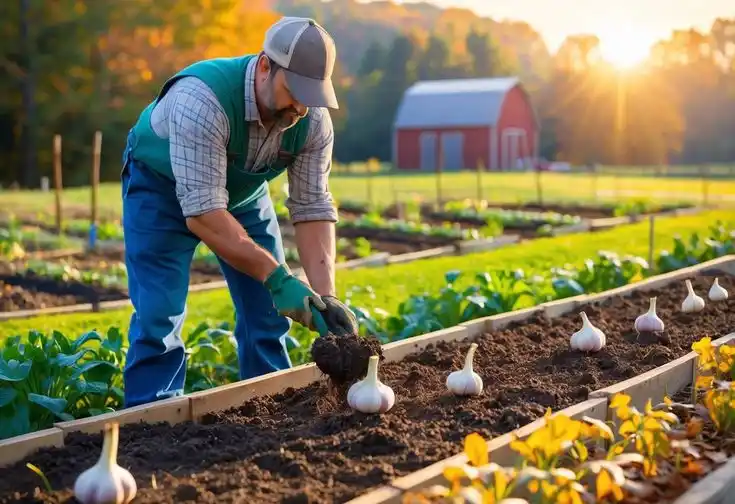
Garlic planting season is the moment when a small clove can turn into a full, beautiful bulb with surprisingly little effort. However, timing and preparation make a huge difference. If you plant at the right time and treat the soil well, you’ll get stronger roots, healthier plants, and bigger cloves at harvest.
Even better, garlic is one of the most rewarding crops for beginners. Still, many gardeners fail simply because they plant too early, too late, or in poor soil. So, let’s fix that step by step and make your next garlic crop your best one yet.
What Garlic Planting Season Really Means
Garlic planting season usually happens when the weather starts cooling down, but the ground is not frozen yet. In most regions, garlic is planted in fall because it needs a cold period to form proper bulbs. This cold exposure is called vernalization, and it helps garlic split into multiple cloves instead of staying small.
That said, some people plant in early spring. However, fall planting typically gives larger bulbs because the plant grows roots before winter, then shoots up fast in spring. As a result, fall-planted garlic often wins in size and flavor.
Best Time to Plant Garlic for Your Area
The best planting window depends on your climate. Still, a simple rule helps almost everyone: plant garlic about 2–4 weeks before the ground freezes.
Here’s a practical guide:
-
Cold climates: Plant in early to mid-fall, before hard frost becomes constant.
-
Mild climates: Plant in mid to late fall, when nights are cool.
-
Warm climates: Plant in late fall or early winter, and consider pre-chilling cloves if winters are very mild.
Meanwhile, watch your local temperatures. When daytime highs drop and nights stay cool, the soil becomes perfect for root growth. Therefore, garlic settles in without pushing too much leafy growth before winter.
Choosing the Right Garlic Type
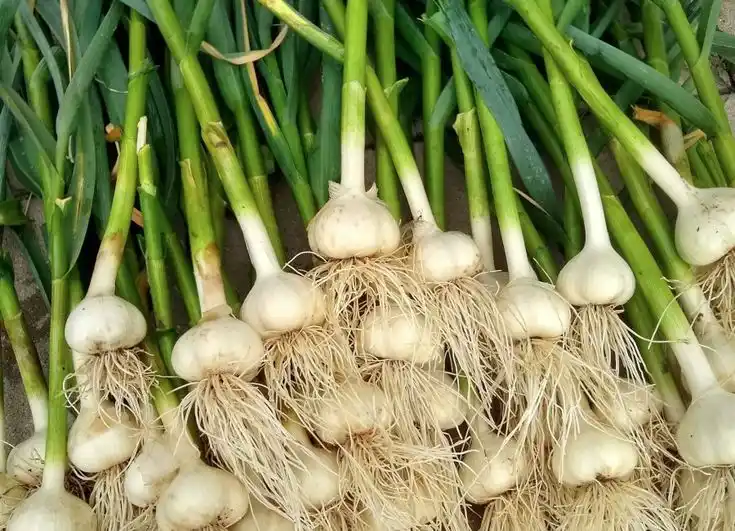
Before planting, choose the right garlic variety. This matters because not all garlic performs the same in every climate.
Hardneck Garlic
Hardneck garlic handles cold winters well. Also, it produces scapes (curly flower stalks) that you can harvest and eat. Hardneck types often have stronger flavor, but they may not store as long.
Softneck Garlic
Softneck garlic is usually better for mild winters. Plus, it stores longer and can be braided. However, it usually doesn’t produce scapes.
If you’re unsure, pick what grows well locally. Additionally, start with a variety that matches your winter temperatures for the highest success rate.
Soil Preparation for Bigger Bulbs
Great garlic starts with great soil. In fact, garlic hates wet, heavy ground because cloves can rot. So, soil preparation is not optional—it’s the secret weapon.
Soil Texture and Drainage
Garlic grows best in loose, well-drained soil. If your soil is clay-heavy, mix in compost and a bit of coarse organic material to improve drainage. Also, raised beds help a lot, especially in rainy areas.
Soil Nutrition
Garlic is a heavy feeder. Therefore, enrich the bed before planting:
-
Mix in finished compost
-
Add well-rotted manure (not fresh)
-
Use a balanced organic fertilizer if needed
Aim for soil that is rich but not overly nitrogen-heavy. Otherwise, you’ll get huge leaves and small bulbs.
Soil pH
Garlic prefers a slightly acidic to neutral pH. If your soil is too acidic or too alkaline, growth can slow down. So, if you can test your soil, it’s worth doing.
How to Plant Garlic the Right Way
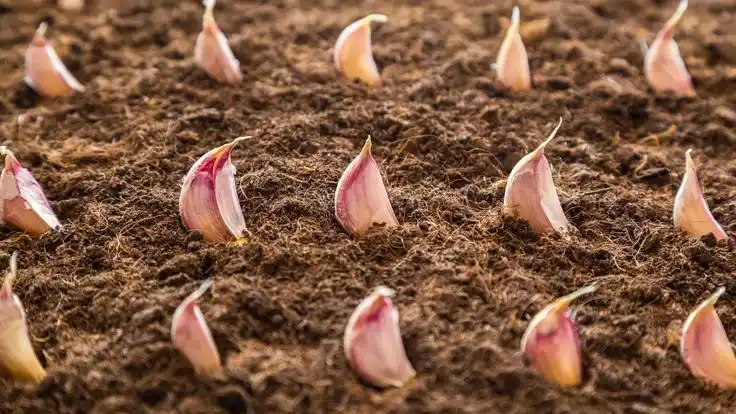
Planting garlic is simple, but the details matter. Thankfully, once you learn the method, it becomes easy every year.
Step-by-Step Planting
-
Break bulbs into cloves a day or two before planting.
-
Choose the biggest cloves because size at planting often means size at harvest.
-
Plant cloves pointy side up—this is important.
-
Space cloves 6 inches apart, and keep rows 10–12 inches apart.
-
Plant depth should be about 2–3 inches (deeper in very cold areas).
After that, water the bed lightly. Then, stop watering if rain is expected and soil stays moist.
Mulching Matters More Than You Think
Mulch is one of the best tools during garlic planting season. It protects cloves from temperature swings, reduces weeds, and helps moisture stay stable.
Use straw, dry leaves, or other light organic mulch. Spread it thick enough to cover the bed well. However, avoid packing it too tightly because garlic still needs airflow.
In spring, you can pull mulch back slightly. This helps the soil warm up faster. As a result, garlic wakes up and grows strongly.
Watering and Feeding Through the Seasons
Garlic doesn’t need constant attention, but it does need consistent care.
Watering
Garlic likes evenly moist soil, especially in spring when it grows fast. However, soggy soil is a problem. So, water when the top inch feels dry, and always check drainage.
As harvest gets closer, reduce watering. Then, stop watering completely a couple of weeks before harvest. This helps bulbs cure better and store longer.
Feeding
In early spring, garlic benefits from a nitrogen boost. You can top-dress with compost or use a gentle organic nitrogen source. However, stop heavy feeding once bulbs start forming. Otherwise, the plant may focus on leaves instead of bulbs.
Common Mistakes to Avoid
Many gardeners lose garlic before it even has a chance. Luckily, these mistakes are easy to avoid.
-
Planting grocery store garlic: It may carry disease or be treated to prevent sprouting.
-
Planting too early: It can grow too much before winter, then get damaged.
-
Planting too late: Roots won’t develop enough, so bulbs stay small.
-
Skipping mulch: Cold snaps and weeds can hurt growth.
-
Overwatering: This can rot cloves and weaken roots.
Instead, focus on timing, drainage, and steady care. That’s where garlic success lives.
When and How to Harvest Garlic
Garlic harvest time usually comes in late spring or summer, depending on planting time and climate. Watch the leaves for the best signal.
When the bottom leaves start turning yellow and drying, garlic is getting close. However, don’t wait until every leaf is dead. If you do, the bulb wrappers may break down, and storage life can drop.
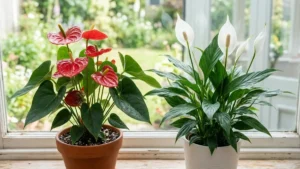
To harvest, loosen soil gently with a fork and lift bulbs carefully. Then, keep the leaves on for curing. Also, if you enjoy growing easy indoor plants, explore the different peace lily colors to add beauty to your home garden.
Curing and Storing for Long-Lasting Garlic
Curing is what turns fresh garlic into storage garlic. So, don’t rush this part.
Hang garlic in a shaded, airy place for 2–4 weeks. After curing, trim roots and cut stems (or braid softneck). Store bulbs in a cool, dry place with airflow.
Avoid refrigeration for long-term storage because it can trigger sprouting later.
FAQs
When is the best garlic planting season for beginners?
Garlic planting season is usually fall because it gives cloves time to grow roots before winter. As a result, beginners often get bigger bulbs with fewer problems.
Can I plant garlic in spring instead of fall?
Yes, you can. However, spring planting often leads to smaller bulbs. If you plant in spring, use the earliest window possible and keep soil nutrition strong.
How deep should I plant garlic cloves?
Plant cloves about 2–3 inches deep, pointy side up. In colder areas, planting a bit deeper can protect cloves from freeze-thaw cycles.
What mulch is best for garlic?
Straw and dry leaves work well. They insulate the soil, control weeds, and hold moisture. However, keep mulch loose so air can move through.
Why are my garlic bulbs small?
Small bulbs usually happen from late planting, poor soil nutrition, overcrowding, or too much nitrogen late in the season. Therefore, improve spacing, soil richness, and timing next season.
Conclusion
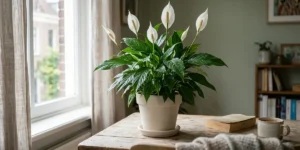
Garlic planting season is all about smart timing, healthy soil, and steady care. When you plant a strong clove in well-drained, nutrient-rich ground and protect it with mulch, you set yourself up for a powerful harvest. Additionally, choosing the right type and avoiding common mistakes makes success much easier. If you also grow houseplants alongside your garden, it’s just as important to know which plants are safe for pets—especially since many gardeners also keep cats indoors. For example, you can learn more about are peace lilies toxic to cats to protect your home and pets.
So, plan your planting window, prep your bed properly, and keep things simple. With the right start, your garlic will reward you with big, flavorful bulbs that feel like a homegrown win every time you cook.