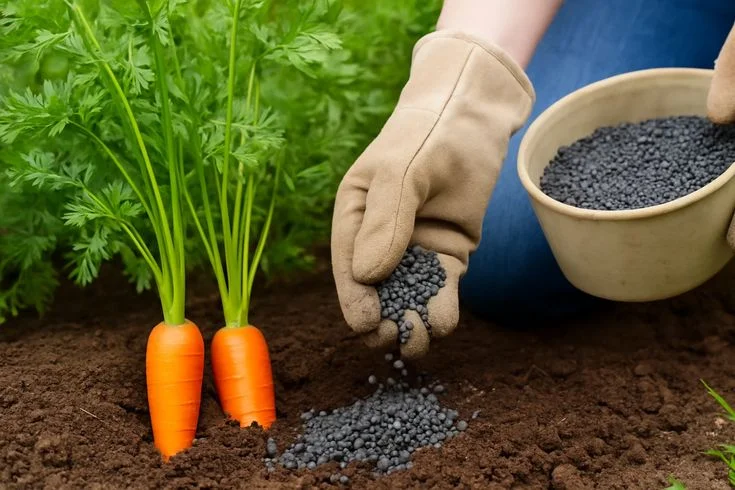
Carrot planting season is the most important factor when it comes to growing sweet, crunchy, and healthy carrots. If you plant too early, the seeds may struggle to sprout.
However, if you plant too late, the roots may stay thin or turn bitter. That’s why timing matters more than many people think.
Luckily, carrots are easy to grow once you understand the right season, soil, and care routine.
So, whether you’re planting in a garden bed or containers, this guide will help you grow carrots successfully.
Why Carrot Planting Season Matters
Carrots grow best in cool temperatures. That’s because hot weather can cause slow growth, tough roots, or even poor flavor.
Therefore, planting at the right time makes the roots sweeter and more tender.
In addition, carrots need steady growth to develop straight and strong roots. When temperatures keep changing, they may crack, bend, or stay small.
So, choosing the correct season is the key to a perfect harvest.
Best Time for Carrot Planting Season
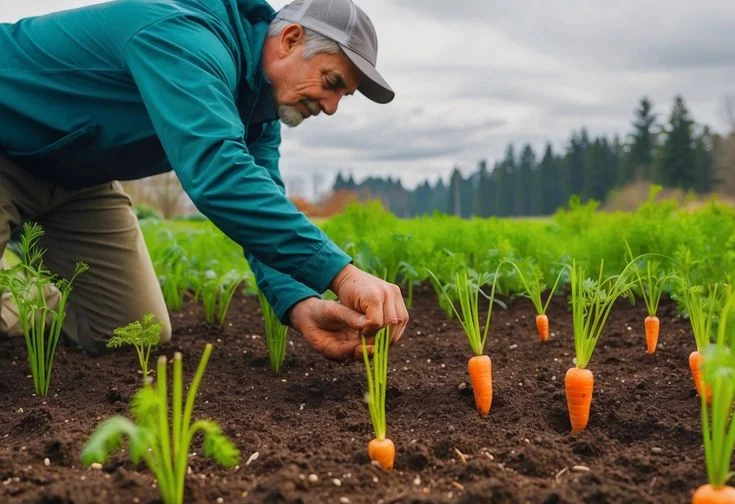
Carrots are usually planted in two main seasons: spring and fall. Each season has its own advantage.
However, the best time depends on your climate zone and the temperature in your area.
Spring Planting
Spring is a popular time to grow carrots because the soil starts warming up, but the air stays cool.
Ideally, plant carrots 2 to 4 weeks before the last frost. This way, the seedlings will enjoy cool conditions during early growth.
Carrot seeds germinate best when soil temperature is between 55°F to 75°F (13°C to 24°C).
So, once your soil reaches that range, it’s safe to plant.
Fall Planting
Fall is considered the best carrot planting season for many gardeners. That’s because cooler nights create extra sweetness in carrots.
In fact, light frost often improves flavor by turning starch into sugar.
Plant fall carrots 8 to 12 weeks before the first expected frost.
This ensures they have enough time to grow before winter arrives.
Carrot Planting Season by Climate
Different climates have different planting windows.
So, here’s a quick breakdown to help you choose the right time.
Cool and Mild Regions
In areas with long cool seasons, you can plant carrots in early spring and again in late summer.
Moreover, you may even grow them through winter in mild zones.
Hot and Warm Regions
If summers are very hot, avoid planting during peak heat.
Instead, plant in late winter, early spring, or fall when the weather is cooler.
Soil Preparation for Strong Carrot Growth
Carrots need soft, loose, and deep soil to grow straight. If the soil is hard, rocky, or too compact, carrots may twist or break.
Therefore, soil preparation is just as important as the season.
Best Soil Type
Carrots grow best in sandy loam soil with good drainage.
Also, the soil should be free from stones and clumps.
Before planting, loosen soil to at least 10 to 12 inches deep.
Then, remove rocks and mix in compost to improve texture.
Soil pH Level
Carrots prefer soil pH between 6.0 and 6.8.
So, if your soil is too acidic or too alkaline, growth may slow down.
How to Plant Carrot Seeds Properly
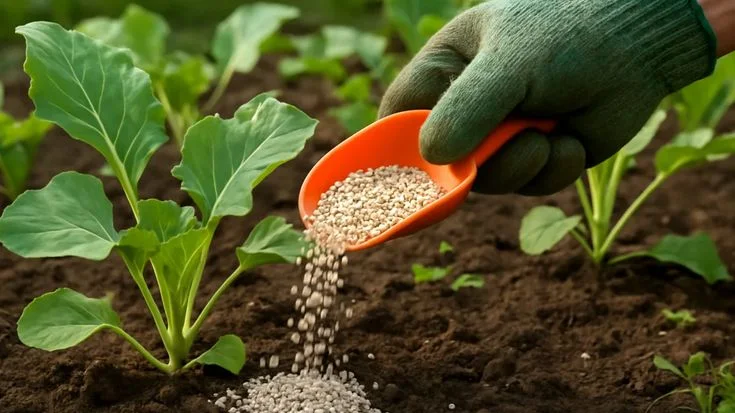
Carrots don’t transplant well because their roots are sensitive.
So, always plant seeds directly into the ground.
Step-by-Step Planting
-
First, make shallow lines about ¼ inch deep
-
Then, sprinkle seeds lightly
-
After that, cover gently with loose soil
-
Finally, water softly to keep soil moist
Since carrot seeds are tiny, they often fall too close together.
However, thinning is necessary once seedlings grow.
Watering During Carrot Planting Season
Carrots need consistent moisture, especially during germination.
So, keep soil moist but not soaking wet.
Water lightly every day until seeds sprout.
After sprouting, water deeply 2 to 3 times a week, depending on weather.
However, avoid uneven watering.
Because if soil dries out and then suddenly gets too much water, carrots may crack.
Sunlight Requirements for Carrots
Carrots grow best with 6 to 8 hours of sunlight daily.
Still, in hotter regions, partial shade in the afternoon can prevent stress.
If carrots receive too little sunlight, they will grow slowly and stay small.
So, choose a bright spot for best results.
Thinning: A Must for Better Carrots
Many gardeners skip thinning, but this step makes a huge difference.
Because crowded carrots cannot form large roots.
Once seedlings are about 2 inches tall, thin them to 2 inches apart.
Moreover, remove weaker seedlings so stronger ones can grow freely.
Fertilizing Tips for Healthy Roots
Carrots don’t need heavy fertilizer. In fact, too much nitrogen can cause leafy growth instead of root growth.
So, use a balanced fertilizer or compost.
Add compost before planting, and avoid fresh manure.
Because manure can cause carrots to split or become hairy.
Common Problems During Carrot Planting Season
Even with the best timing, carrots may face problems.
However, most issues are easy to fix.
Poor Germination
This usually happens when soil dries out.
So, keep topsoil moist until sprouts appear.
Forked or Twisted Carrots
This happens due to hard soil or rocks.
Therefore, loosen soil deeply before planting.
Bitter Taste
Carrots become bitter when grown in heat or stress.
So, plant in the correct season and water regularly.
When to Harvest Carrots
Most carrots are ready to harvest in 60 to 80 days, depending on variety. However, you can harvest early baby carrots in about 40 days. Look for the orange tops showing above the soil. Then, gently pull or loosen soil before harvesting.
For fall carrots, you can leave them in the ground longer. In fact, they taste even sweeter after a light frost, and if you enjoy seasonal gardening, you may also love learning about flowers that bloom in late winter
Best Carrot Varieties for Each Season
Choosing the right variety can make your harvest better.
So, here are great options.
-
Nantes – sweet and perfect for spring
-
Danvers – strong growth in many soil types
-
Imperator – long carrots, good for deep soil
-
Chantenay – ideal for heavy soil
-
Parisian – great for containers
FAQs
What is the best month to plant carrots?
In most areas, carrots are planted in March to April for spring and August to September for fall. However, the exact month depends on local frost dates.
Can carrots grow in hot weather?
Carrots can grow in warm climates, but heat often reduces sweetness. Therefore, it’s better to plant during cooler months.
Do carrots need full sun?
Yes, carrots grow best in full sun. Still, in extreme heat, light shade can help prevent stress.
How long do carrot seeds take to germinate?
Carrot seeds usually take 10 to 20 days to germinate. So, be patient and keep soil consistently moist.
Can I plant carrots in containers?
Yes, carrots grow well in containers if the pot is deep enough. Choose a container at least 12 inches deep for best results.
Conclusion
Carrot planting season plays a major role in growing sweet and healthy carrots. When you plant at the right time, carrots grow faster, taste better, and develop smooth roots.
Therefore, focus on planting in spring or fall, keeping soil loose, watering consistently, and thinning seedlings properly.
With the right care and timing, you can enjoy a fresh carrot harvest that is crunchy, flavorful, and truly satisfying.
Also, if you love greenery indoors, you might enjoy exploring house plants with white flowers to brighten your home naturally.
So, follow these steps, and your garden will reward you with beautiful carrots every season.