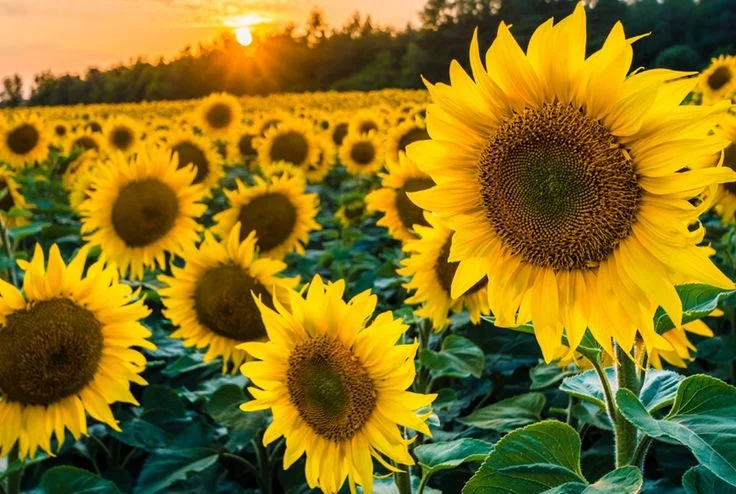
Sunflower planting season is one of the most exciting times for gardeners because sunflowers grow quickly, look beautiful, and brighten any space. Whether you want giant sunflowers for your backyard, small varieties for pots, or rows of blooms for a farm-style garden, starting at the right time matters.
However, planting sunflowers isn’t only about dropping seeds into soil. You also need the correct weather, proper sunlight, and simple care routines. So, if you’re ready to grow strong, healthy sunflowers this season, this guide will help you step by step.
What Is the Best Sunflower Planting Season?
Sunflowers love warm weather. That’s why the best sunflower planting season usually begins in spring and continues into early summer.
Most sunflower varieties need soil that is warm enough, and they grow best when there’s no risk of frost. Therefore, the right time depends on your local climate.
Best Time to Plant Sunflowers by Temperature
A general rule is:
-
Plant when soil temperature is 55°F to 60°F (13°C to 16°C) or higher
-
Outdoor planting is ideal after the last frost date
-
Daytime temperatures should stay around 70°F to 85°F (21°C to 29°C)
Even though sunflowers are tough, they still struggle in cold soil. So, planting too early can lead to slow growth or poor germination.
Sunflower Planting Season by Region (Quick Breakdown)
Because climates vary, the sunflower planting season changes depending on where you live.
Warm Regions
If you live in warm areas, you can start planting from late February to April. In fact, some gardeners can grow more than one sunflower crop in a year.
Mild Regions
In moderate climates, plant from March to May. This timing gives the seed enough warmth to germinate quickly.
Cold Regions
In cooler places, it’s better to plant from May to early June. Otherwise, frost may damage young seedlings.
How Long Does It Take Sunflowers to Grow?
Most sunflowers grow fast, which is why they are perfect for beginners. Generally:
-
Seeds germinate in 7 to 10 days
-
Blooming starts in 70 to 100 days, depending on the variety
-
Giant sunflowers may take 100 to 120 days
So, if you plant in spring, you can enjoy flowers from mid-summer to early fall.
Choosing the Right Sunflower Variety for the Season
Not all sunflowers are the same. Some grow tall like trees, while others stay small and compact. Therefore, picking the right type makes your planting season more successful.
Popular Types to Grow
-
Giant Sunflowers: Perfect for large gardens and competitions
-
Dwarf Sunflowers: Great for pots and small spaces
-
Branching Sunflowers: Produce multiple flowers per plant
-
Pollen-Free Sunflowers: Excellent for indoor bouquets
Moreover, shorter varieties bloom faster, so they’re great for late planting.
Soil Preparation for Sunflower Planting Season
During sunflower planting season, soil preparation makes a huge difference. Sunflowers can handle poor soil, but they still grow stronger in healthy ground.
Best Soil Type
Sunflowers prefer:
-
Loose, well-draining soil
-
Slightly acidic to neutral pH (6.0 to 7.5)
-
Soil rich in compost or organic matter
Before planting, remove weeds and mix in compost. As a result, roots grow deeper and blooms become larger.
How to Plant Sunflower Seeds the Right Way
Planting sunflower seeds is easy. Still, using the correct depth and spacing helps them grow better.
Step-by-Step Planting Method
-
Choose a sunny area that gets 6 to 8 hours of sunlight daily
-
Make small holes about 1 to 1.5 inches deep
-
Place one seed per hole
-
Space seeds depending on the variety
-
Cover lightly with soil and water gently
Correct Spacing Guide
-
Dwarf types: 6 to 12 inches apart
-
Medium types: 12 to 18 inches apart
-
Giant types: 18 to 24 inches apart
Spacing is important because crowded plants compete for nutrients. Therefore, proper spacing improves height and flower size.
Watering Tips During Sunflower Planting Season
Sunflowers need consistent watering, especially at the start. However, they don’t like soggy soil.
Watering Schedule
-
Water daily after planting until seedlings appear
-
After that, water 2 to 3 times a week
-
Increase watering during hot weather
-
Always water at the base, not the leaves
Also, deep watering encourages strong roots. So, avoid light watering that only wets the surface.
Sunlight Needs for Strong Sunflowers
Sunflowers are named for a reason. They love sun, and they grow best in bright, open areas.
Sunlight Requirements
-
Minimum: 6 hours daily
-
Best results: 8+ hours daily
Even though they can survive with less sunlight, fewer hours will result in smaller blooms. Therefore, full sun is always better.
Fertilizing in Sunflower Planting Season
Sunflowers don’t require heavy feeding. Still, a little fertilizer can boost growth.
Best Fertilizer Options
-
Compost or organic manure
-
Balanced fertilizer (10-10-10)
-
Low-nitrogen fertilizer for bigger blooms
However, too much nitrogen causes more leaves and fewer flowers. So, keep fertilizer moderate. Also, if you love adding bright plants to your garden, you might enjoy exploring house plants with white flowers to create a beautiful and calming space indoors as well.
Common Problems in Sunflower Planting Season (And How to Fix Them)
Even with good care, sunflowers can face challenges. Luckily, most issues are easy to solve.
1. Seeds Not Sprouting
Possible reasons:
-
Soil too cold
-
Too much watering
-
Old or damaged seeds
Solution: Wait for warmer soil, and water lightly.
2. Seedlings Getting Eaten
Birds, squirrels, and snails love sunflower seeds.
Solution: Use netting, or start seeds indoors.
3. Sunflowers Falling Over
Tall varieties may fall due to wind or weak roots.
Solution: Stake them early, and water deeply for strong support.
Best Companion Plants for Sunflowers
Sunflowers grow well with certain plants, and they can even support pollinators.
Great Companion Plants
-
Corn
-
Squash
-
Marigolds
-
Beans
Meanwhile, avoid planting sunflowers too close to potatoes because they may compete for nutrients.
How to Extend the Sunflower Planting Season
If you want blooms all summer, don’t plant all seeds at once. Instead, use succession planting.
Succession Planting Tip
Plant a new batch of seeds every 2 to 3 weeks during spring and early summer.
This way, you’ll enjoy flowers for a longer time, and your garden will stay colorful until fall.
FAQs
When is sunflower planting season at its peak?
Sunflower planting season is usually at its peak in spring, right after the last frost. However, in warm regions, planting can begin earlier.
Can I plant sunflowers in late summer?
Yes, but only fast-growing varieties. Also, make sure there are at least 70 to 90 warm days left before the first frost.
Do sunflowers grow better in pots or ground?
Sunflowers grow best in the ground because roots have more space. However, dwarf varieties grow beautifully in pots.
How many sunflowers grow from one seed?
One sunflower seed produces one sunflower plant, and most plants produce one main flower. Still, branching varieties can produce multiple flowers.
Should I soak sunflower seeds before planting?
You can soak them for 8 to 12 hours to speed up germination. However, it’s not required, and many seeds sprout well without soaking.
Conclusion
Sunflower planting season is the perfect chance to grow bright, cheerful flowers that instantly lift any garden. As long as you plant after the last frost, use well-draining soil, and provide enough sunlight, your sunflowers will thrive.
Moreover, if you love gardening all year round, you may also enjoy exploring flowers that bloom in late winter because they keep your garden colorful even before spring begins.
In addition, by watering correctly, spacing properly, and planting in batches, you can enjoy stunning blooms for months. So, start your sunflower planting season with confidence—and watch your garden turn into a golden masterpiece.