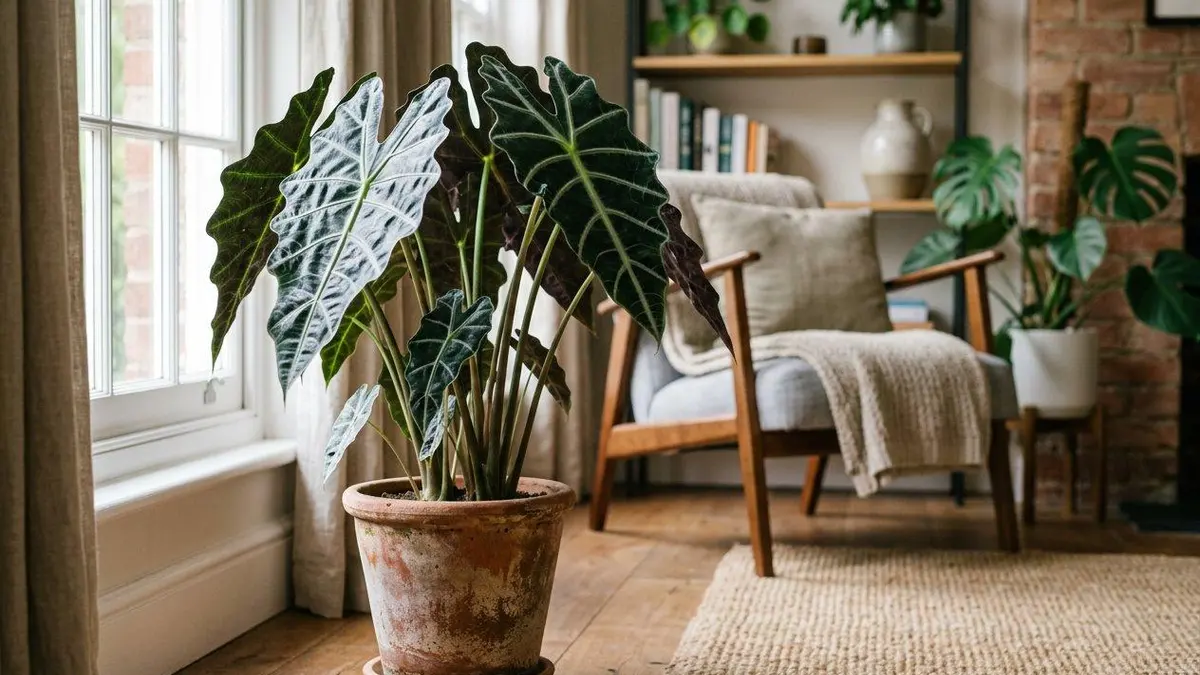
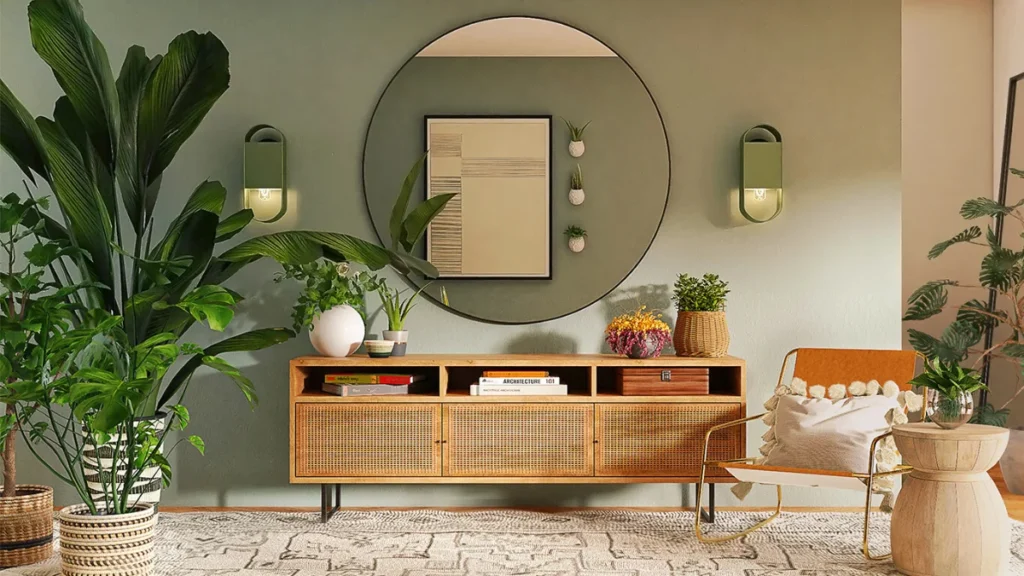
Living room plant ideas are no longer just about adding greenery they’re about choosing plants that actually work with your space, light, and lifestyle. In many US homes, the living room serves multiple purposes: relaxing, entertaining, working, and sometimes even dining. Because of that, plant choices need to be both visually balanced and realistically maintainable.
Instead of overwhelming you with endless options, the focus here is on practical selection, smart placement, and design logic that fits real American living spaces. Whether your room gets minimal sunlight, needs large visual anchors, or calls for easy care options that won’t demand constant attention, these ideas are built for everyday living not showroom perfection.
Start With Your Living Room, Not the Plant
Before choosing specific living room plant ideas, it’s essential to assess the room itself. However, plants succeed or fail based on environment, not trends. A quick evaluation prevents wasted money and unhealthy plants.
Measure usable light for Living room plant ideas
In many US living rooms, light looks bright but doesn’t travel far. If sunlight reaches the floor for less than an hour, the space should be treated as low light. Likewise, when light fades within a few feet of the window, prioritizing low light living room plants leads to better long-term results.
Identify dead zones and stress zones
Next, notice stress zones. Areas near air vents, TVs, or heavy foot traffic quietly damage plants over time. Placing tougher, easy care living room plants in these spots reduces maintenance while keeping the room visually complete.
Match plant scale to room scale
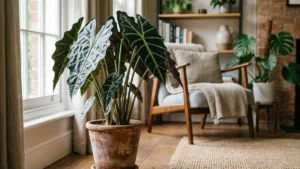
Scale matters because it changes the whole feel of the room. Large rooms often look unfinished with tiny plants, while compact spaces feel crowded when oversized plants are forced in. Open layouts benefit from large living room plants that anchor corners, while smaller rooms look better with vertical or trailing greenery.
Choose maintenance level for Living room plant ideas
Finally, be realistic about upkeep. Plants that forgive missed watering usually outperform delicate varieties. That’s why budget friendly living room plants can be a smarter choice than trendy, high-maintenance picks especially in busy households.
Living Room Plant Ideas by Light and Lifestyle
Once you understand your space, choosing the right living room plant ideas becomes much easier. Instead of copying generic plant lists, match plants to real living conditions. As a result, you get plants that look good and last.
Low-light living rooms
Once the room’s conditions are clear, choosing the right plants becomes much easier. For low-light living rooms, reliable options include:
-
Snake plant, ideal for corners with minimal sunlight
-
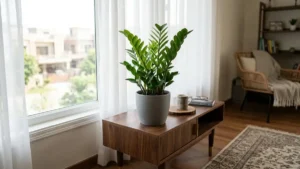
ZZ plant, tolerant of shade and irregular watering
-
Pothos, perfect for shelves or trailing from cabinets
Busy households and low-maintenance needs
If your living room is shared with kids, pets, or frequent guests, durability matters more than perfection. These easy care living room plants stay strong even when routines aren’t consistent:
-
Rubber plant with sturdy leaves and minimal shedding
-
Chinese evergreen that stays stable in fluctuating conditions
-
Dracaena that adapts well to temperature changes
Open layouts that need visual structure
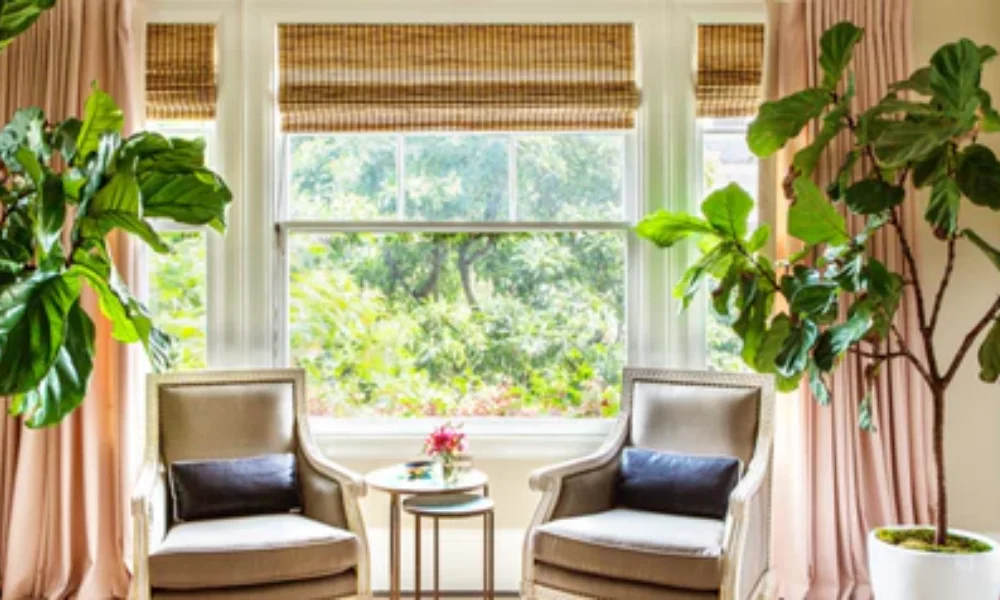
In open layouts that feel empty or unfinished, large living room plants add structure without adding furniture:
-
Fiddle-leaf fig for bright indirect light
-
Bird of paradise for bold, architectural presence
-
Kentia palm for a softer, relaxed look
Budget-friendly but high impact
For high impact on a budget, budget friendly living room plants often adapt faster and grow more consistently:
-
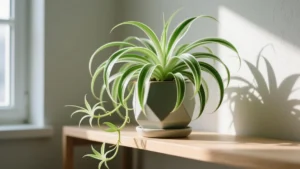
Spider plant for quick growth
-
Philodendron for versatility
-
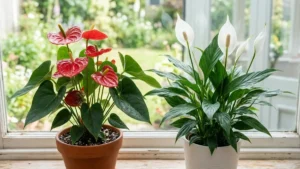
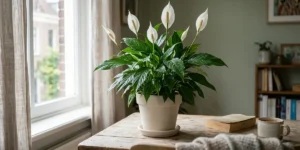
Peace lily for compact, functional greenery
Smart Placement and Styling That Actually Works
After choosing plants, placement becomes the deciding factor. Many guides show styled images without explaining the logic behind them.
Use the anchor support flow formula
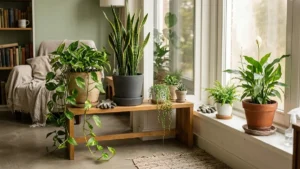
Start with structure: one large plant acts as an anchor in a corner or near a window. Medium plants support the layout at eye level, while a trailing plant softens lines from shelves or cabinets. This creates flow and prevents the room from feeling scattered.
Use distance-based placement
Distance from windows matters more than people think. Low-light plants perform best several feet away from windows, while brighter-light plants should stay closer without receiving harsh midday sun. Adjusting distance alone often fixes “it’s not growing” frustration.
Use height before adding more plants
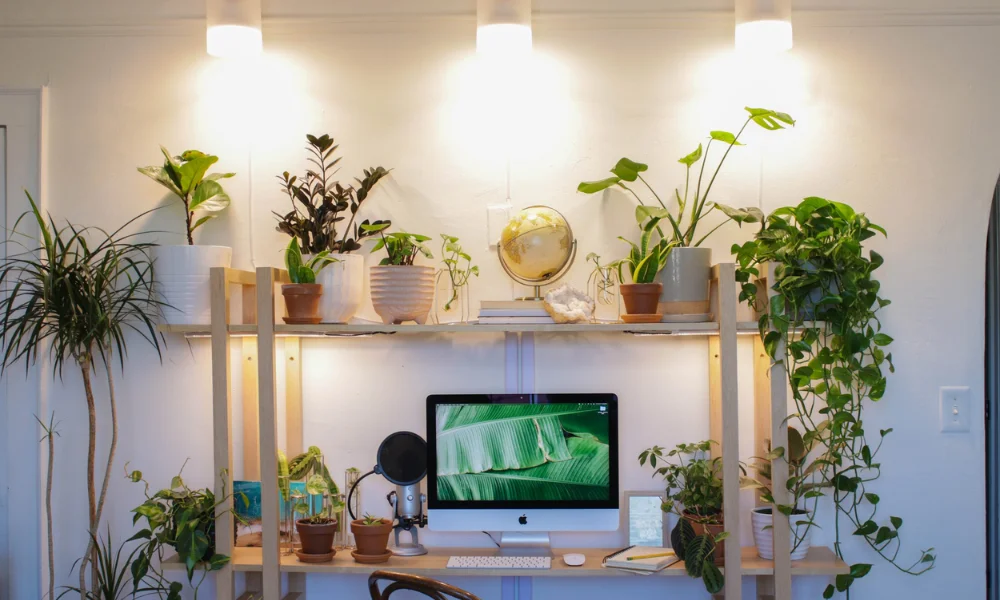
When space feels tight, use height rather than adding quantity. Floor plants create vertical weight, stands lift medium plants, and hanging greenery frees up surfaces. That way, the room looks layered without feeling cluttered.
Keep pots visually consistent and Choose functional placement
Keeping pots within one color family or texture makes the plants look intentional. It also lets large living room plants stand out without competing visually.
Moreover, if you’re choosing low-maintenance options for these spaces, this complete guide on aloe plant care can help you keep your indoor setup healthy and consistent: https://peeacelily.com/aloe-plant-care/
Plants should enhance daily living, not interfere with it. Avoid blocking walkways, screens, or light sources, especially in high-traffic spaces.
Simple Care Rules That Keep Plants Alive
Consistency matters more than precision. Waiting until the top layer of soil dries prevents most root issues and works well for easy-care living room plants. Rather than moving plants around the room, rotating them slightly every few weeks keeps growth even and prevents leaning.
Misting isn’t necessary for most living room plants. Keeping plants away from vents and grouping them stabilises humidity naturally. A quick wipe every few weeks improves light absorption and keeps plants looking polished.
Yellow leaves or slower growth happen. Small adjustments usually solve the issue and save money, especially when growing budget-friendly living room plants long term.
Final Thoughts on Living Room Plant Ideas
Living room plant ideas work best when they’re chosen with intention rather than impulse. Focusing on light, scale, placement, and realistic care creates a space that feels calm, functional, and lived-in. When plants match the room’s conditions, they require less effort and deliver more impact.
Whether you rely on low light living room plants, need large living room plants to ground an open layout, or prefer easy care living room plants that fit a busy lifestyle, thoughtful selection always outperforms quantity. Ultimately, successful plant styling isn’t about perfection. It’s about balance that supports how you actually live.
Moreover, if you want a reliable indoor option that works well in many living room setups, this guide on the Dieffenbachia plant is a helpful next read: https://peeacelily.com/dieffenbachia-plant/
FAQs
What are the best living room plant ideas for beginners?
Easy care living room plants like snake plant, pothos, and ZZ plant are ideal because they tolerate missed waterings and adapt to most indoor environments.
Which plants work best in low-light living rooms?
Low light living room plants such as snake plant, ZZ plant, Chinese evergreen, and pothos perform well with minimal natural sunlight.
How do I choose the right size plant for my living room?
Plant size should match room scale. Small rooms benefit from compact or vertical plants, while open layouts feel more balanced with large living room plants.
How many plants should a living room have?
There’s no fixed number. One large anchor plant paired with one or two medium or trailing plants usually looks intentional without clutter.
Are budget friendly living room plants worth it?
Yes. Many budget friendly living room plants are resilient, adaptable, and easier to maintain than expensive varieties, making them ideal for long-term use.