Plant combination ideas for container gardens are one of the most effective ways to grow healthy, visually appealing plants in limited space. However, while many gardeners focus on color and style, long-term success depends on compatibility, structure, and environmental balance. When plants share similar needs, containers stay attractive longer and require less intervention.
Moreover, container gardening behaves very differently from in-ground planting. Because soil volume is limited, mistakes show up faster. That’s why choosing the right container garden plant combinations is essential for gardeners across the USA, especially in areas with extreme heat or fluctuating seasons.
Why Plant Compatibility Matters
Compatibility is the foundation of successful plant combination ideas for container gardens, yet it’s rarely explained in detail. While appearance draws attention, function determines whether a container thrives or struggles.
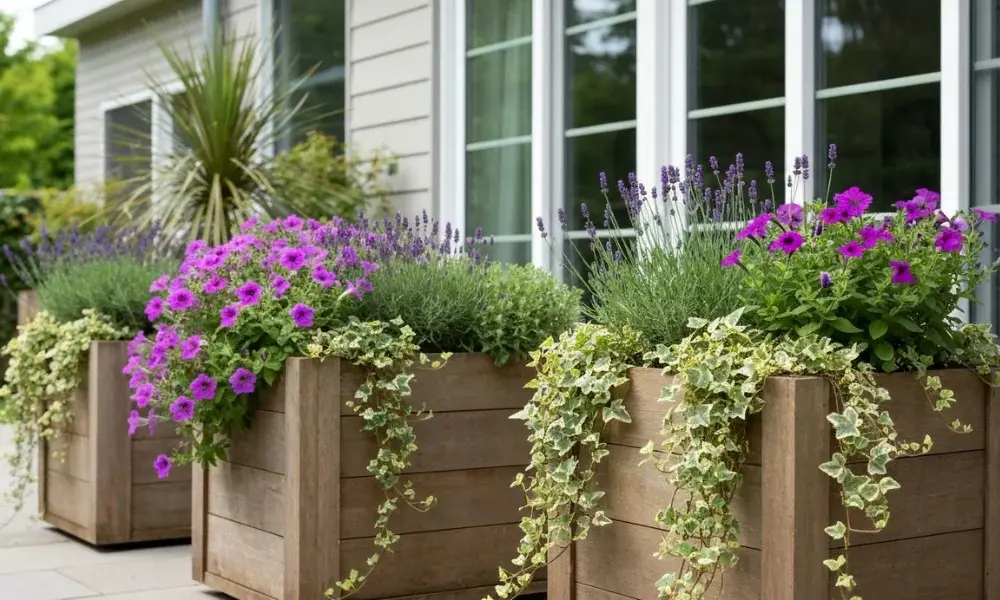
Shared Root Space in Container Garden
First, containers force plants to share a small root zone. Therefore, pairing plants with similar root depth and nutrient needs prevents competition stress. As a result, container garden plant combinations stay balanced and healthier throughout the season.
Light Matching for Sun and Shade Container Plants
Next, light exposure becomes more intense in containers. Because of this, sun and shade container plants must match closely. Otherwise, uneven growth, leaf burn, or poor flowering can develop quickly.
Water and Drainage Needs in Plants
Additionally, watering needs must align. Plants that grow well together in containers usually prefer similar moisture levels and soil drainage. When water requirements differ, one plant inevitably suffers from either drought stress or root rot.
Growth Speed and Visual Balance Over Time
Finally, growth rate impacts long-term appearance. Some plants grow rapidly, while others develop slowly. When combined incorrectly, faster growers overpower slower ones, disrupting balance. By choosing plants that mature at similar speeds, plant combination ideas for gardens remain structured, attractive, and easier to maintain.
How to Use the Thriller-Filler-Spiller Method
The thriller-filler-spiller approach remains one of the most reliable frameworks for plant combination ideas for gardens. However, it’s often misused because gardeners focus on quantity rather than balance.
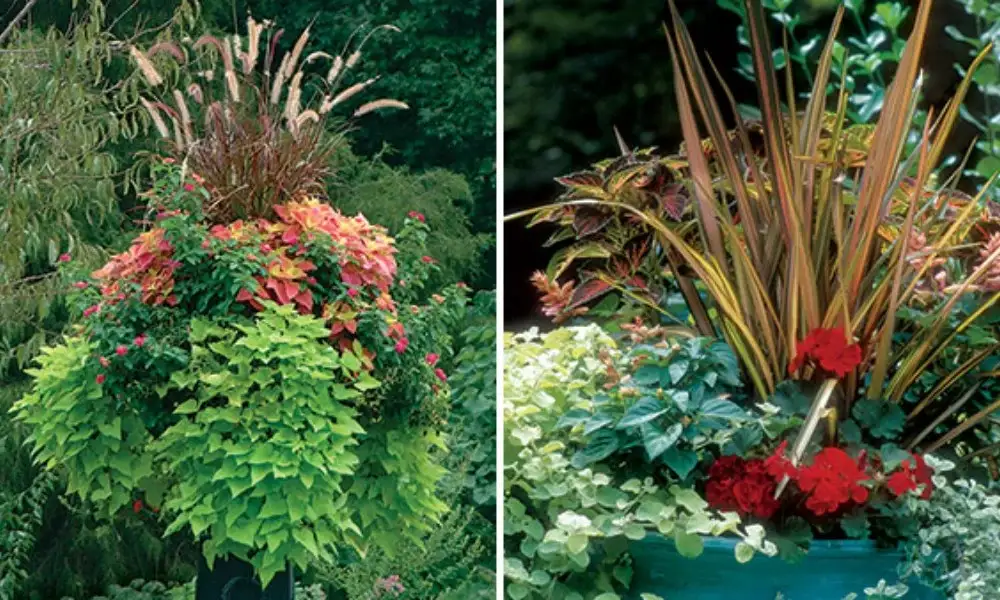
Right Thriller for Container Garden Plant Combinations
To begin with, thrillers provide vertical structure and visual focus. These plants should be upright, stable, and tolerant of container conditions. Ornamental grasses, compact cannas, or upright coleus work especially well. Thrillers should complement not dominate container garden plant combinations, allowing fillers and spillers to perform their roles effectively.
Fillers That Support Best Plants to Grow Together in Pots
Next, fillers add fullness and visual density. However, fillers must share light and water needs with the thriller. Otherwise, uneven growth quickly becomes noticeable. Compact, predictable growers are often the best plants to grow together in pots because they fill space without overcrowding or aggressive root spread.
Spillers That Complement Plants
Finally, spillers soften edges and guide the eye downward. Yet, not all trailing plants behave well in containers. Aggressive spillers can overwhelm soil space and restrict airflow. Therefore, gentle trailing plants work best with plants that grow well together in containers, maintaining balance without smothering neighboring roots.
Why Balance Matters More Than Plant Quantity
Importantly, adding more plants does not improve results. In fact, overcrowding reduces airflow and increases disease risk. Limiting containers to a clear structure improves resilience. As a result, balanced thriller filler spiller plants perform better, especially during hot and humid U.S. summers.
Sun-Based Plant Combination Ideas for Container Gardens
Light exposure is one of the most searched factors related to plant combination ideas for gardens, yet it’s often misunderstood. Matching plants to sun conditions is critical for consistent performance.
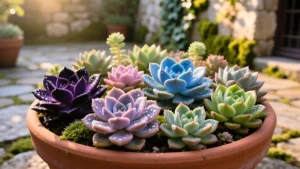
Full-Sun Container Garden Plant Combinations for Hot Locations
Full-sun containers receive intense light for most of the day. Therefore, heat-tolerant and drought-adapted plants perform best together. Upright bloomers paired with sun-loving fillers create reliable structure.
Partial-Sun Pairings for Best Plants
Partial sun offers flexibility but still requires intentional pairing. Morning sun with afternoon shade supports many flowering and foliage plants equally well. As a result, some of the best plants to grow together in pots thrive under partial sun, especially in transitional climates.
Shade-Friendly Options
Shade containers depend heavily on compatibility. Low-light plants must share similar tolerance to reduced sun and cooler soil temperatures. Plants that grow well together in containers under shade often rely on foliage texture and color rather than flowers, creating lasting appeal.
Foliage-Focused Plant Combination Ideas for Container Gardens
Foliage-driven plant combination ideas for container gardens offer durability that flower-heavy containers often lack. Yet, this approach is rarely emphasized in competitor content.
Why Foliage Matters in Container Garden
Foliage maintains interest even when flowers fade. Therefore, foliage-based container garden plant combinations remain attractive during heat waves or seasonal transitions. This makes foliage-focused containers ideal for low-maintenance gardening.
Texture Pairing for Plants
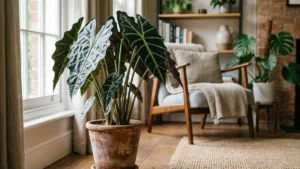
Texture contrast adds depth without clutter. Pairing bold leaves with fine and airy foliage creates visual balance. For example, plants like Dieffenbachia work well as bold focal points in mixed containers. You can learn more about caring for them here: https://peeacelily.com/dieffenbachia-plant/. As a result, plants grow well together in containers without competing visually or physically.
Color Balance for Best Plants to Grow Together in Pots
Limiting color palettes prevents visual overload. Neutral greens paired with one accent color perform consistently across lighting conditions. This approach produces some of the best plants to grow together in pots for long-term appeal.
Using Foliage as Thriller Filler Spiller Plants
Foliage adapts well to thriller filler spiller plants. Upright grasses, mid-height coleus, and trailing ivy create structure without relying on blooms. Consequently, foliage-based containers stay attractive longer with less effort.
Common Pairing Mistakes
Even well-planned plant combination ideas for gardens can fail due to avoidable errors. These mistakes explain why many containers decline prematurely.
Common mistakes to avoid:
-
Mixing plants with conflicting water needs
-
Ignoring mature plant size
-
Overcrowding thriller filler spiller plants
-
Pairing sun and shade container plants
-
Frequently moving containers after planting
Conclusion
Plant combination ideas for container gardens succeed when beauty is supported by compatibility and planning. By aligning light exposure, watering needs, growth habits, and structure, you can create container garden plant combinations that stay healthy all season.
More importantly, choosing plants that grow well together in containers reduces maintenance while increasing confidence. For example, understanding proper care for popular container plants such as aloe plant care helps ensure long-term success in mixed arrangements: https://peeacelily.com/aloe-plant-care/
FAQs
What are the best plant combination ideas for container gardens for beginners?
Simple combinations with matching light and water needs work best. These reduce stress and are easier to manage.
How many plants should go in one container?
Most containers perform best with three to five plants. This supports airflow and root health.
Can I mix flowers and foliage in the same pot?
Yes. In fact, foliage-heavy container gardening plant pairings often last longer.
Do I need thriller filler spiller plants for every container?
No, but the method simplifies structure and reduces mistakes for beginners.
How do I know if plants will grow well together in containers?
Check light, water needs, and growth speed. Similar requirements signal compatibility.
Can sun and shade container plants be mixed?
Usually not. Mixing them leads to uneven growth and stress.