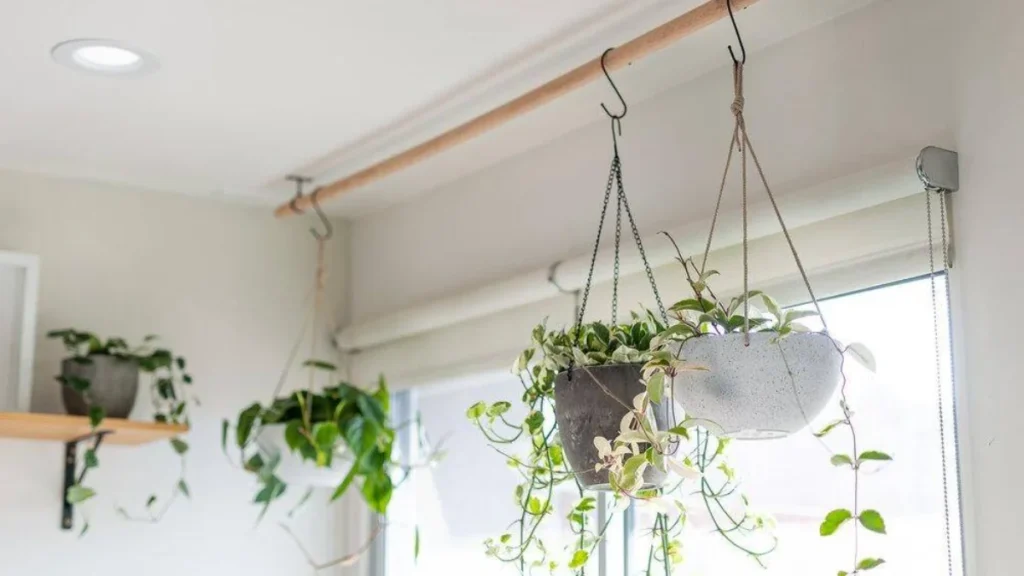
Bringing plants into your home does more than decorate a room it changes the atmosphere instantly. However, many people searching for hanging plants indoors ideas only find curated photos instead of real advice that fits everyday homes. So, this guide focuses on practical, stylish solutions that feel achievable no matter your layout.
You’ll find indoor hanging planter ideas that work in apartments, studios, and larger homes. Additionally, you’ll learn how to choose the right plants, how to hang them safely, and how to make small spaces feel bigger with greenery. And by the end, you’ll know exactly how to refresh your space in a way that feels effortless and personal.
Benefits of Hanging Plants Indoors Ideas
Hanging plants can immediately make your home feel calmer, brighter, and more spacious. Moreover, they draw the eye upward, which creates the illusion of height in small U.S. rooms. And because they live off the ground, they help free up shelves, tables, and counters instantly.
They also allow you to place plants where the light is naturally strongest, which improves growth and reduces plant stress. Additionally, this gives you far more placement flexibility than traditional pots offer. And since many hanging systems are renter-friendly, they work beautifully in homes where drilling is not allowed.
Furthermore, hanging plants help reduce visual clutter by lifting greenery into unused vertical zones. This matters especially in compact apartments. And because you can choose lightweight planters, the entire setup remains safe, stylish, and easy to maintain.
Hanging Plants Indoors Ideas: Creative Setups
When you’re short on space but big on plant dreams, the right hanging setups make everything feel possible. Moreover, these ideas focus on real-life U.S. homes, not just styled studio photos. And each one is designed to be easy to copy, flexible to adjust, and friendly for renters.
1. Window Rod Hanging Garden for Hanging Plants Indoors Ideas
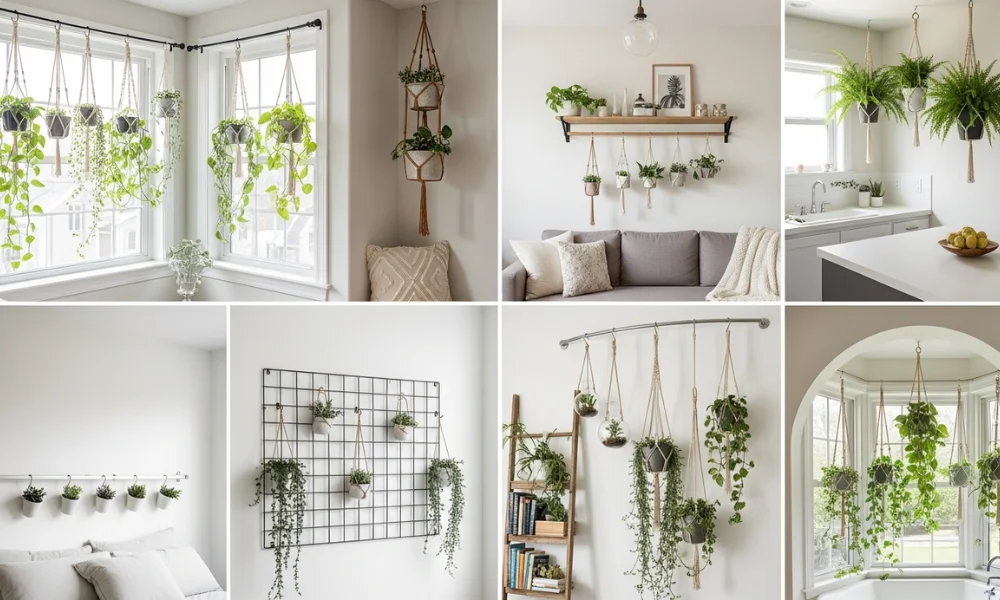
A tension rod placed across a bright window instantly becomes a functional plant curtain. Moreover, it uses space that normally goes untouched, which is ideal for renters. And species like pothos, philodendron, and hoya thrive with the filtered light.
2. Layered Macramé Corner Cluster for Hanging Plants Indoors Ideas
Macramé hangers grouped in an empty corner soften harsh angles and add warmth. Additionally, this approach fills dead space without crowding your floors. And because the hangers vary in length, they create beautiful visual movement.
3. Floating Shelf With Hooks for Hanging Plants Indoors Ideas
A wall shelf with hooks underneath gives you double functionality—display décor on top and hang plants below. Moreover, this works well in smaller rooms where horizontal space is limited. And herbs, trailing vines, and tiny succulents all fit perfectly.
4. Ceiling Hook Trio Above the Sofa
Three lightweight hanging planters staged above the sofa create a calm, sculptural focal point. Additionally, this prevents end tables from becoming cluttered with pots. And different vine lengths add depth without overwhelming the room.
5. Over-the-Sink Kitchen Hanging Plants
Hanging a planter above the kitchen sink makes use of bright, everyday light. Moreover, this brings greenery right into your daily routine. And herbs or small trailing plants flourish beautifully in this warm, humid zone.
6. Hanging Plants Above the Bathtub
Bathrooms with good humidity offer an ideal microclimate for tropical species. Additionally, placing hanging plants above the tub turns your bathroom into a spa-like retreat. And ferns or pothos enjoy the consistent warmth.
7. Headboard Rail for Cozy Bedrooms
A slim rail mounted above the headboard creates a natural, calming backdrop. Moreover, this frees up nightstand space and keeps plants safely out of reach. And pet-friendly species make this even more practical.
8. Wall Grid System for Flexible Hanging Plants Indoors Ideas
A lightweight wall grid allows you to move planters anywhere you want without damaging the wall. Additionally, it supports multiple shapes, which encourages creativity. And because the grid spreads out weight, it remains renter-friendly.
9. Minimalist Glass Orb Hanging Planters
Glass hanging orbs give your home a modern, airy aesthetic. Moreover, air plants do wonderfully inside them since they need minimal soil. And adhesive hooks can support them safely because they are extremely lightweight.
10. Leaning Ladder Rack for Trailing Plants
A simple ladder leaned against the wall transforms instantly into a vertical garden. Additionally, it requires zero drilling, so renters love it. And because each rung holds a hanging planter, it creates beautiful cascading layers.
11. Corner Tension Pole for Multi-Level Displays
A floor-to-ceiling tension pole maximizes unused vertical corners. Moreover, it can hold multiple small planters while remaining completely drill-free. And this makes it one of the smartest solutions for renters and studio dwellers.
12. Bay Window Hanging Arc
An arched rod hung inside a bay window catches more sunlight than traditional straight rods. Additionally, this encourages fuller plant growth throughout the year. And species like string of pearls and hoyas adore this bright setup.
Best Plants for Indoor Hanging Plants Indoors Ideas
Choosing the right plants ensures your hanging display grows well and remains easy to manage. Moreover, some species adapt far better to typical U.S. indoor conditions than others. And when you pick forgiving plants, your hanging setups stay lush with minimal effort.
-
Pothos: grows fast and tolerates low-to-bright light.
-
Philodendron Heartleaf: trails beautifully and withstands irregular watering.
-
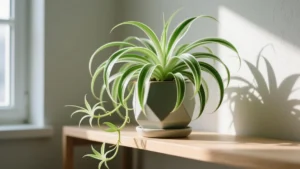
Spider Plant: survives neglect and produces adorable baby offshoots.
-
String of Pearls: prefers bright light and adds unique texture.
-
Boston Fern: thrives in humidity and fills empty corners.
-
Hoya Carnosa: handles medium light and offers long-lasting, waxy leaves.
-
English Ivy: climbs or trails depending on your style.
-
String of Hearts: cascades gently and loves warm rooms.
-
Bird’s Nest Fern: tolerates low light and stays naturally sculptural.
-
Peperomia Hope: compact, hardy, and perfect for small planters.
How to Hang Plants Indoors Ideas Safely
Hanging plants safely ensures your greenery flourishes without damaging walls or ceilings. Moreover, many U.S. renters worry about drilling or weight limits. And with a few smart guidelines, you can create secure displays that feel both stylish and stable.
-
Use ceiling anchors: stronger support for heavy pots.
-
Choose tension rods: ideal for renters avoiding drilling.
-
Add drip trays: prevents water from damaging surfaces.
-
Check weight ratings: always match pot weight to hardware.
-
Hang near windows: improves growth for most species.
-
Rotate plants: encourages balanced foliage.
-
Avoid HVAC vents: prevents leaf drying.
-
Use S-hooks: makes height changes quick.
-
Allow airflow: stops mold and pests.
-
Use adhesive hooks wisely: only for lightweight setups.
Small Space Hanging Plant Ideas for Compact Homes
Small spaces need smart design strategies, and hanging plants can instantly open up your home without adding clutter. Moreover, vertical space often goes unused, making it the perfect zone for greenery. And with thoughtful placement, even the tightest corners feel fresh and intentional.
Moreover, if you’re adding greenery indoors, it’s smart to protect your plants and home from pests. Here’s a helpful guide on neem oil for bed bugs: effectiveness, use, and next steps.
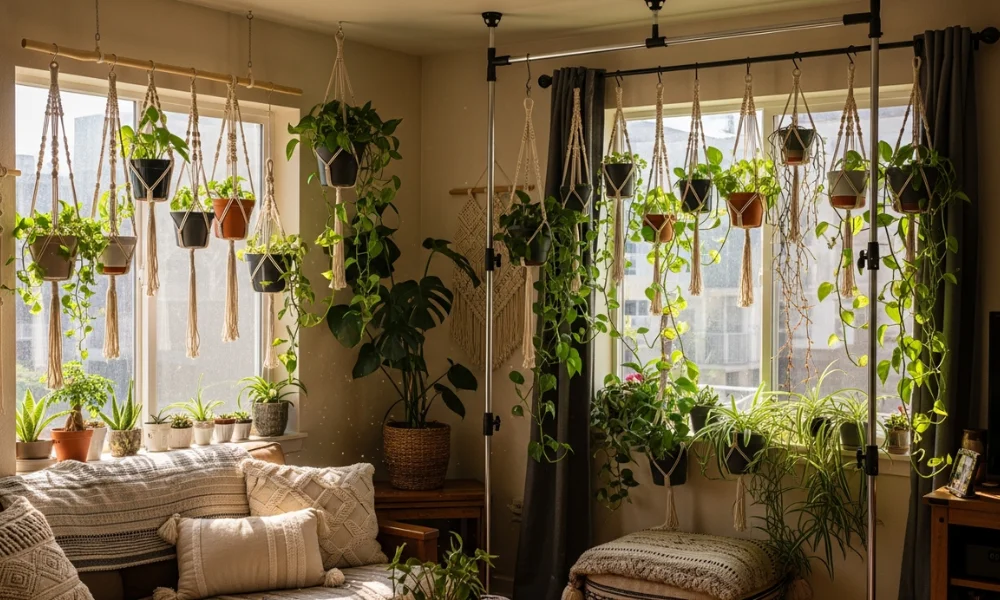
Hanging plants in front of windows works beautifully because the space is already unused. Additionally, light levels stay strong, so plants thrive with less maintenance. And since rods adjust easily, you can still manage curtains or blinds comfortably.
Replacing typical wall décor with a hanging plant is another clever approach. Moreover, this creates a soft, organic focal point that requires zero floor space. And by mixing vines with fuller species, the whole room feels more natural.
Renter-friendly systems like tension rods and poles also shine in small homes. Additionally, these setups allow you to rearrange plants whenever seasons shift. And because they hold multiple planters, they help you create a lush look without overwhelming the room.
Styling plants above beds, desks, or sofas works extremely well in studios. Moreover, lifting greenery upward adds depth and makes the space appear taller. And keeping surfaces clear improves daily function and visual flow.
Final Styling Tips for Hanging Plants Indoors Ideas
Styling hanging plants with intention can transform any room into a calm, warm, welcoming space. Moreover, combining textures, colors, and plant shapes creates a layered look that feels thoughtfully designed. And even small adjustments can make your greenery stand out beautifully.
Mix vines with fuller plants to build depth without clutter. Additionally, balancing pot sizes creates a rhythm that feels natural and visually compelling. And using cohesive planter colors keeps the display polished.
Lighting also plays a key role in styling. Moreover, staggering plant heights helps maximize sunlight without blocking your view. And adding warm grow lights keeps greenery vibrant throughout winter. If you notice sticky leaves or tiny pests while styling, it’s smart to treat the issue early. This guide on neem oil for scale insects walks you through a simple, plant-safe approach.
Finally, allow trailing plants to drape gently for a relaxed, organic feel. Additionally, soft curves make the display look intentional rather than rigid. And adjusting heights seasonally keeps your home feeling refreshed year-round.
FAQs
What are the easiest plants to hang indoors?
Pothos, spider plants, and philodendrons are the easiest choices. Moreover, they adapt well to most U.S. homes. And they thrive even with minimal care.
How can I hang plants indoors without drilling?
You can use tension rods, adhesive hooks, or hanging poles. Additionally, these options protect walls. And they let renters rearrange plants freely.
Where is the best place to hang plants indoors?
Bright windows, cozy corners, and spaces above furniture work well. Moreover, these spots offer consistent light. And they keep surfaces clutter-free.
What mistakes should I avoid when hanging plants?
Avoid underestimating weight, choosing low-light spots, or skipping drip protection. Additionally, hardware must match the pot weight. And proper airflow prevents mould.
How often should I water indoor hanging plants?
Most need watering every one to two weeks. Moreover, letting the soil dry slightly prevents rot. And choosing pots with drainage keeps roots healthy.