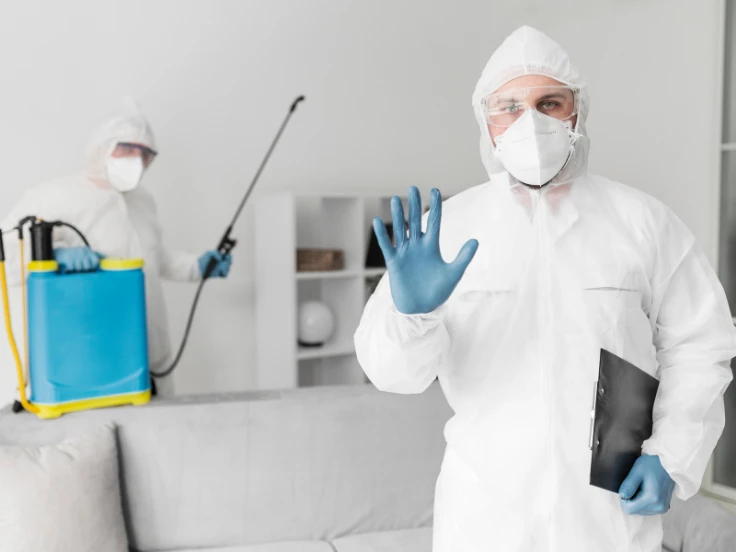
Many tenants often ask, “Is landlord responsible for pest control?” This is a critical question that affects both the safety and comfort of a home. Pest infestations, such as rodents, cockroaches, termites, or bed bugs, can turn a pleasant living space into a serious health risk. Understanding the legal responsibilities surrounding pest management can help tenants avoid disputes and ensure that landlords fulfill their duties.
Landlords must maintain habitable properties, including addressing pest issues. Responsibility depends on the lease and cause of infestation: structural problems usually fall on the landlord, while tenant negligence may make tenants responsible. Clear communication ensures a safe, pest-free home.
Legal Responsibilities of Landlords for Pest Control

The question “is landlord responsible for pest control” is more than a common concern it has legal implications. Housing laws in many countries require landlords to maintain safe and sanitary living conditions, including preventing and addressing pest infestations that threaten tenant health or damage property.
Lease agreements often clarify pest control responsibilities, specifying whether landlords cover costs or tenants handle minor issues. Ignoring infestations can lead to health risks, property damage, and legal action. Tenants should document sightings and promptly notify landlords to protect their rights.
Common Pest Problems: How Landlords Handle Pest Control
Pest infestations are a frequent issue in rental homes, and understanding common types of pests helps both tenants and landlords respond effectively.
-
Rodents: Mice and rats can damage wiring, chew furniture, contaminate food, and spread diseases like hantavirus.
-
Cockroaches: Found in kitchens and bathrooms, cockroaches are a major health concern, triggering allergies and asthma attacks in sensitive individuals.
-
Bed Bugs: Difficult to detect in the early stages, bed bugs can disrupt sleep, cause skin irritation, and often require professional extermination.
-
Termites: Silent destroyers, termites compromise wooden structures, leading to expensive repairs if not addressed promptly.
-
Ants and Spiders: While usually minor, infestations may indicate hygiene problems or structural gaps that need attention.
By knowing the types of pests that commonly infest rental properties, tenants can take proactive measures, and landlords can plan preventive treatments.
Tenant Responsibilities: Helping Prevent Infestations

While landlords are primarily responsible for pest control, tenants play a vital role in keeping their homes pest-free. Maintaining cleanliness is the first line of defense, including wiping counters, vacuuming floors, and promptly cleaning spills.
Proper food storage and sealed garbage containers prevent attracting pests like rodents and cockroaches. Reporting leaks, damp areas, or structural damage to the landlord immediately helps stop infestations from spreading. Avoiding clutter and excessive storage reduces hiding places for pests.
By actively participating in preventive measures, tenants support a safer, healthier living environment and help the landlord maintain the property effectively. This collaboration ensures that pest issues are addressed promptly, minimizing damage and promoting long-term comfort in the home.
Lease Agreements: Is Landlord Responsible for Pest Control?
Lease agreements are crucial in determining if a landlord is responsible for pest control in a specific property. These contracts often outline which party handles minor infestations, major infestations, and preventive measures.
-
Some leases require tenants to notify landlords immediately if they notice pests.
-
Landlords typically cover pest control for structural infestations, while tenants may handle minor issues like ants or flies.
-
Professional pest control services are often specified as the landlord’s responsibility for serious infestations.
-
Clear communication and documentation prevent misunderstandings and potential legal disputes.
Understanding these lease clauses ensures tenants know their rights and responsibilities and helps landlords comply with legal obligations.
Health and Safety Concerns of Pest Infestations
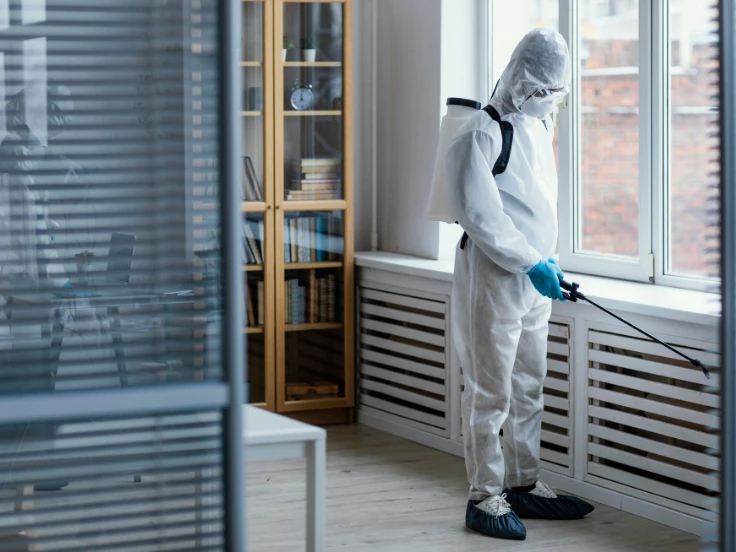
Pests pose serious health hazards if left untreated. Rodents can spread diseases like hantavirus and salmonella, cockroaches trigger allergies and worsen asthma, bed bugs cause skin irritation and stress, and termites threaten structural safety, endangering both tenants and landlords.
Neglecting pest control responsibilities can also have legal consequences for landlords, especially if tenants suffer health issues due to infestations. Prompt action, including professional extermination and preventive measures, is essential for maintaining a safe and habitable property.
Professional Pest Control: Landlord Responsibilities
Landlords who wonder “is landlord responsible for pest control” should consider hiring professional pest control services for effective and long-lasting solutions.
-
Hire licensed and insured pest control professionals to ensure safety and compliance.
-
Review treatment methods and ensure they are safe for tenants, pets, and the environment.
-
Ask about guarantees or follow-up visits to ensure the infestation is fully eradicated.
-
Consider environmentally friendly treatments to reduce chemical exposure in living areas.
Professional services not only solve immediate infestations but also help prevent future problems, protecting both property value and tenant satisfaction.
Pest Control Costs: How Landlords Manage Responsibilities
Pest control can be costly for landlords, but timely management protects property value and tenant health. Minor infestations like ants or flies are inexpensive to treat, while serious issues like termites, bed bugs, or rodents often require professional services and higher costs.
Landlords can reduce expenses through preventive measures, including routine inspections, property maintenance, and ensuring tenants follow hygiene guidelines. Investing in timely pest control prevents structural damage, health hazards, and costly legal disputes that could arise from negligence.
Some landlords also include pest control clauses in leases to clarify financial responsibility and avoid conflicts with tenants. Ultimately, proactive management of pest control costs safeguards both the landlord’s investment and the tenants’ living environment.
Tenant Actions: What to Do If Landlord Fails Pest Control Duties
Tenants have options if landlords fail to address pest issues after notification. Depending on local laws and lease agreements, tenants may:
-
Submit written pest control requests to the landlord.
-
Deduct pest control expenses from rent if legally permitted.
-
Report unresolved infestations to housing or health authorities.
-
Terminate leases in extreme cases where infestations threaten health or safety.
Keeping detailed records of pest sightings and communications with landlords is crucial to ensure legal protection and resolution of disputes.
FAQs
Q1: Is landlord responsible for pest control if pests appear?
A: Yes, landlords are generally responsible for pest control, particularly when infestations are caused by structural or maintenance issues.
Q2: Can tenants hire pest control themselves?
A: Tenants may hire pest control, but they should notify the landlord first to avoid disputes or lease violations.
Q3: How quickly must landlords respond to pest issues?
A: Response times vary by jurisdiction, but prompt action is essential to prevent health risks and worsening infestations.
Q4: Does tenant negligence affect landlord responsibility?
A: Yes, if tenants contribute to the infestation, they may share responsibility or be required to cover costs.
Conclusion:Is landlord Responsible for Pest Control
Understanding “is landlord responsible for pest control” is essential for tenants and landlords. Landlords must maintain habitable properties, and tenants should prevent issues and report problems. For a break, explore Hamburg places to visit to refresh your mind while keeping your home safe.
Clear lease agreements, professional pest control, and proactive maintenance protect health, property, and legal compliance. Cooperation ensures a safe, pest-free living environment, reduces long-term costs, and promotes tenant satisfaction. Learn more about agricultural pests.