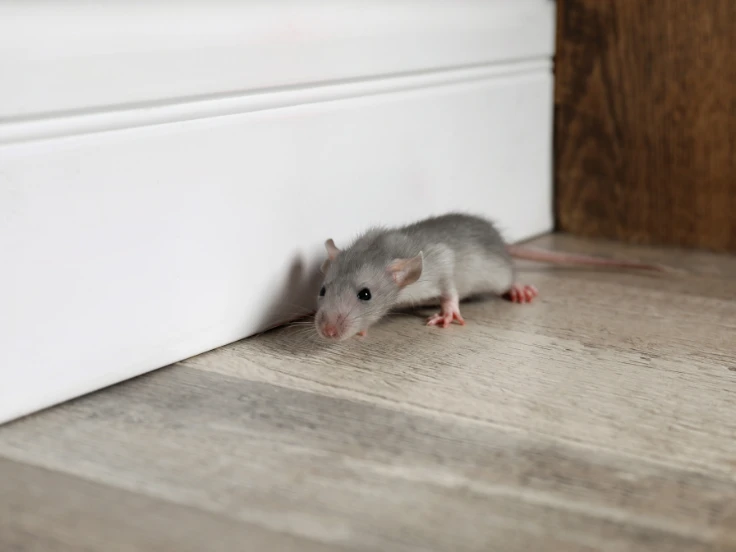
When mice begin leaving droppings in pantry corners or scratching inside walls, homeowners immediately worry about damage, contamination, and treatment costs. The question most people ask first is how much does pest control cost for mice, because pricing helps determine how quickly they can act. In most cases, the cost ranges from $150 to $600, depending on the level of infestation, home size, and the methods used by the exterminator.
Professional pest control companies consider far more than visible signs. They inspect hidden entry points, nesting zones, food sources, wall voids, and structural gaps that homeowners often overlook. Because mice reproduce rapidly, a small issue can grow into a larger and more expensive problem in only a few weeks. This is why relying on trained technicians usually results in faster elimination and long-term prevention, reducing the risk of repeated expenses.
When comparing estimates, homeowners should consider expertise, materials, follow-up visits, and whether exclusion work (sealing entry points) is included. Cheap treatments often address symptoms but not causes. A well-structured service plan always costs less than dealing with recurring infestations or property damage later.
Understanding How Much Pest Control Costs for Mice
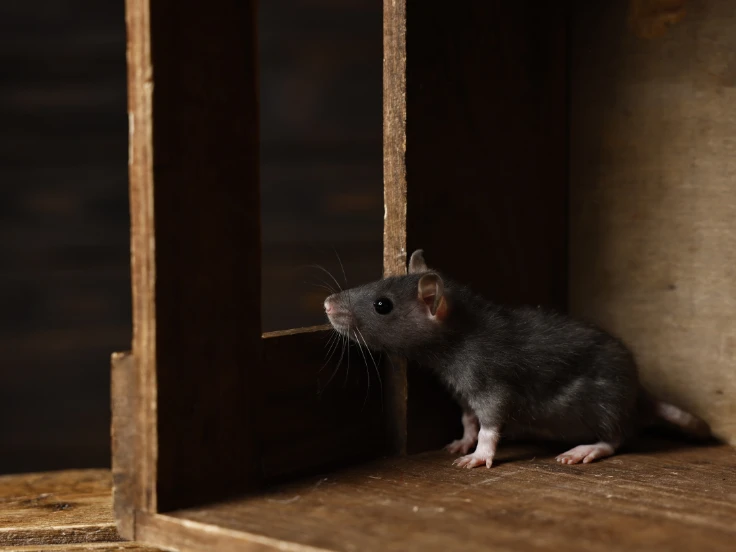
DIY trap kits and bait stations appear inexpensive at first, but they rarely eliminate full colonies. Mice hide in wall cavities, behind appliances, and inside insulation areas most homeowners cannot access. Even if traps catch a few mice, they don’t prevent new ones from entering.
Professionals use targeted methods, such as sealed bait boxes, multi-catch traps, and high-grade exclusion materials that block entry points permanently. They also understand rodent behavior, nesting patterns, and seasonal movement. This expertise ensures long-lasting results.
Another overlooked cost factor is contamination cleanup. Droppings and urine can spread bacteria, triggering odor problems and health concerns. Many pest control plans offer sanitization options, which DIY methods cannot match. Choosing a licensed specialist reduces risks, prevents frustration, and ultimately saves money.
Major Factors That Influence Mice Pest Control Pricing
A short breakdown helps homeowners understand why prices differ between properties:
-
Infestation Level: Light infestations require simple trapping, while larger colonies need multi-step treatments.
-
Property Size: Bigger homes require more traps, more bait, and more technician time.
-
Entry Point Complexity: Hard-to-reach gaps around foundations, attics, or siding increase labor time.
-
Treatment Approach: Humane traps, chemical-free methods, or commercial-grade bait all vary in cost.
-
Follow-Up Visits: Some providers include re-inspections, while others charge separately.
-
Geographic Location: Areas with cold winters or dense housing often experience higher rodent activity.
Understanding these factors helps homeowners evaluate quotes more confidently rather than choosing only the lowest price.
Additional Expenses That May Affect Overall Cost
Some homes require extra services to ensure complete rodent control. These optional add-ons can influence the total cost:
-
Sanitization to remove bacteria, odors, and contamination.
-
Insulation replacement, especially in attics where mice often tunnel and nest.
-
Structural repairs, such as patching holes behind appliances or along foundations.
-
Ongoing monitoring, recommended for high-risk neighborhoods.
-
Advanced rodent proofing, including metal mesh installation and door-sweep upgrades.
These additional steps provide long-term security and reduce the likelihood of mice returning.
Average Pest Control Cost by Service Type
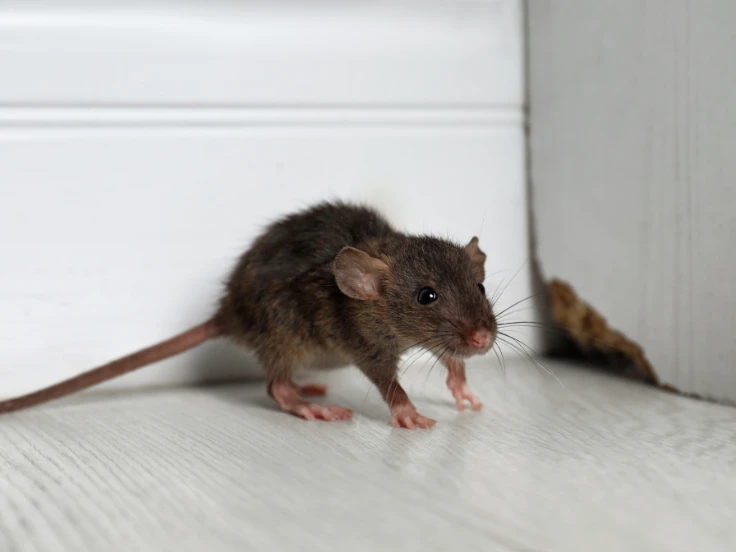
A typical inspection ranges from $75 to $150, depending on location. Basic trapping and removal cost $200 to $400 for most homes. Severe infestations or complex exclusion can reach $600 to $1,200, especially if multiple visits are required.
Exclusion sealing every crack, gap, and vulnerable point—is the most valuable component of any plan. Without it, mice can return within days. Although exclusion increases the upfront cost, it eliminates future infestations and saves homeowners significant money over the years.
Routine maintenance programs cost between $300 and $800 per year, depending on visit frequency. These plans are ideal for older homes, areas with heavy rodent activity, or properties surrounded by fields, restaurants, or storage buildings.
Choosing a Reliable Pest Control Company
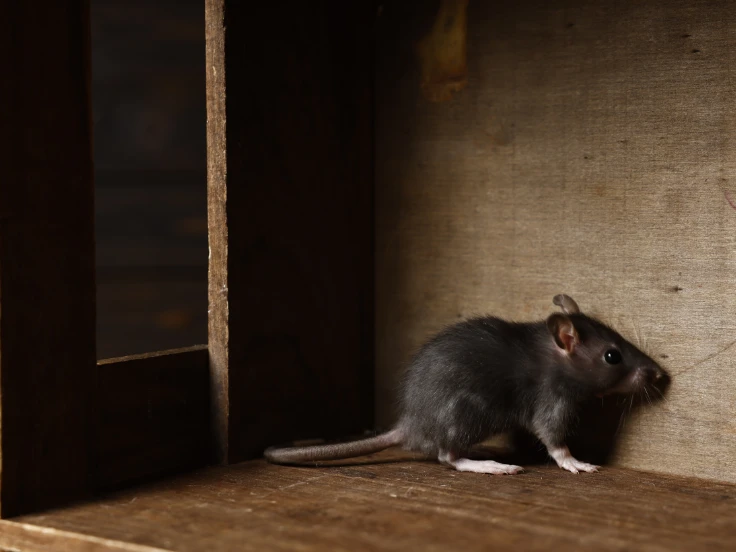
Selecting the right company ensures quality results and transparent pricing. Homeowners should look for licensed technicians, clear inspection reports, and detailed explanations of the treatment process. A dependable provider will ask about pets, children, and specific problem areas before beginning.
Good companies offer guarantees or limited warranties for follow-up visits. They also use ethical, safe treatment methods that minimize risks to household members. Reading customer reviews and asking for a written estimate prevents misunderstandings and ensures homeowners know exactly what they are paying for.
Preventive Measures That Help Reduce Future Costs
Simple habits significantly reduce rodent activity and protect your home from future infestations. These small steps can save hundreds in long-term pest control expenses.
-
Store food in airtight containers to eliminate food sources.
-
Seal cracks and small gaps around doors, windows, and foundations.
-
Keep trash bins closed tightly and empty them regularly.
-
Maintain a clean kitchen, wiping surfaces after each meal.
-
Trim shrubs and branches touching the home exterior.
-
Close garage doors quickly, especially in colder seasons.
-
Declutter storage areas like basements and attics.
Preventive care is the most cost-effective strategy for long-term rodent protection.
Warning Signs You Need Professional Help Immediately
Certain indicators show that an infestation is growing and requires expert treatment. Acting quickly helps keep costs low.
-
Fresh droppings, especially under sinks or behind appliances.
-
Strong ammonia-like odors, caused by urine saturation.
-
Scratching or tapping sounds, usually late at night.
-
Chewed wires, insulation, or cardboard boxes.
-
Shredded paper or cloth, often used for nesting.
-
New holes or gnaw marks around baseboards or corners.
These signs suggest the infestation may be larger than it appears.
FAQs
Q1. How much does pest control cost for mice?
Most homeowners pay $150–$600, depending on infestation level and treatment type.
Q2. Is one treatment enough?
Light infestations may require one visit, but moderate to severe cases often need follow-ups.
Q3. Do professionals guarantee results?
Many companies offer warranties, but policies vary.
Q4. Can mice return after treatment?
They can unless proper exclusion and prevention steps are taken.
Conclusion
Understanding how much does pest control cost for mice helps homeowners make informed decisions and avoid unexpected expenses. Costs vary based on service type, infestation severity, and preventive work, but professional treatment always delivers better long-term protection than DIY solutions.
By choosing reputable technicians, following preventive habits, and sealing entry points effectively, homeowners can maintain a safer and healthier environment. For homeowners dealing with multiple household pests, such as small insects on indoor plants, learning how to identify and manage them can prevent bigger infestations (learn more about little black bugs on plants).
For anyone researching how much does pest control cost for mice, comparing inspections and choosing a provider that offers removal and prevention is key. Like using the right pest control spray for silverfish, this ensures a rodent-free home.