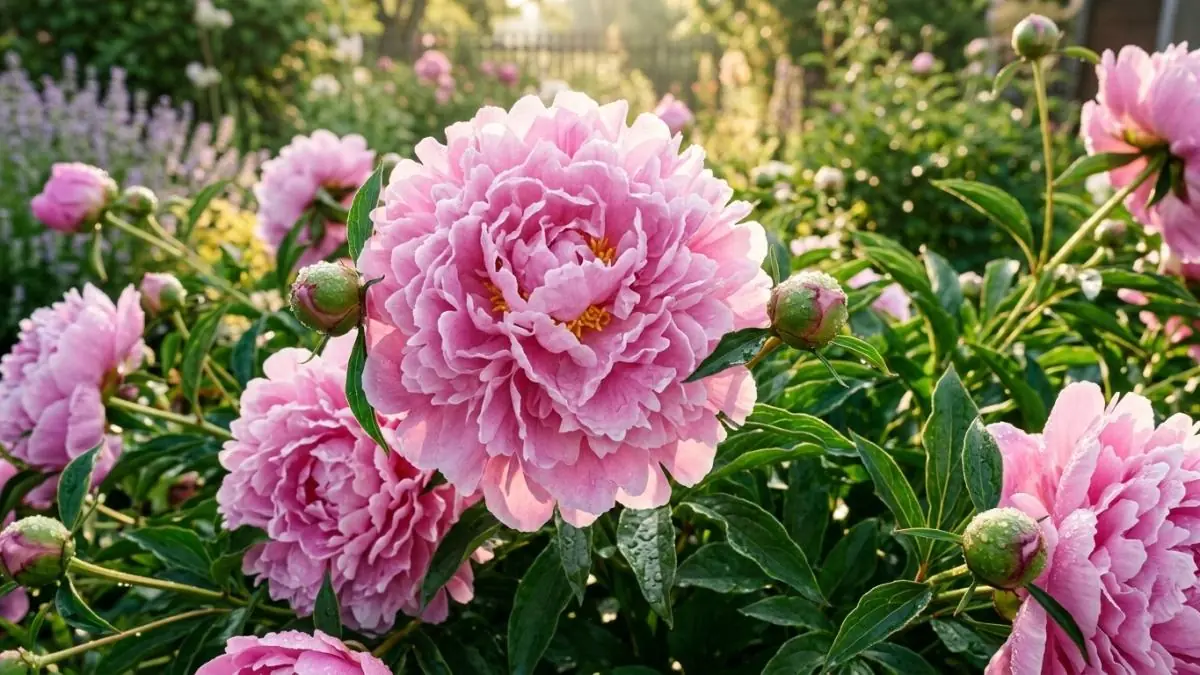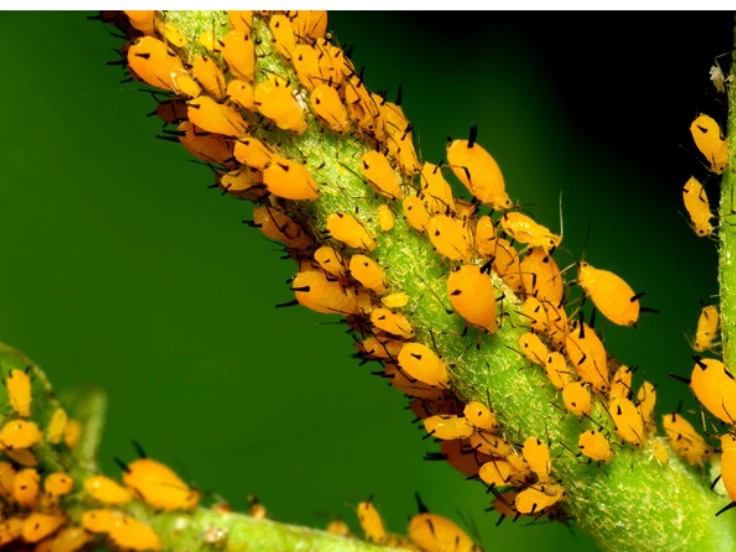
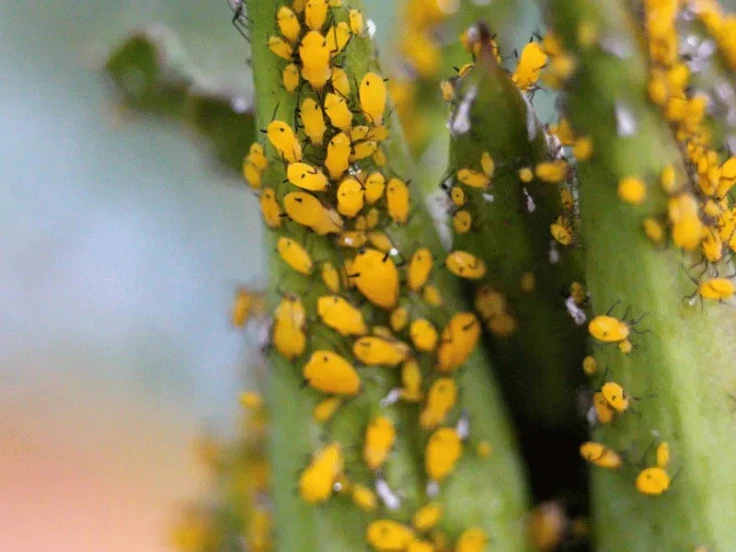
Tiny yellow insects on plants are a common problem for both indoor and outdoor gardeners. These pests, often mistaken for harmless specks, can damage leaves, stems, and even roots. Common types include aphids, spider mites, and whiteflies in their yellowish stages. However, their small size allows them to go unnoticed until the infestation becomes severe, making early detection crucial.
These insects feed on plant sap, weakening the plant over time. Infested plants may exhibit curling leaves, yellow spots, or sticky residue. Moreover, these pests often act as carriers for plant diseases, further compromising plant health. Therefore, recognizing them early can save your garden from significant harm.
How Tiny Yellow Insects Affect Plant Health
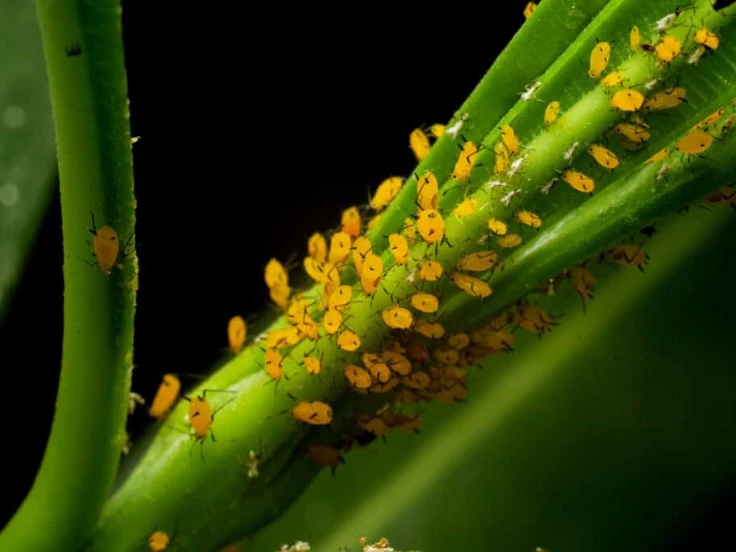
The impact of tiny yellow insects extends beyond aesthetic damage. As these pests feed, they reduce a plant’s ability to photosynthesize, which leads to stunted growth. In addition, flowers and fruits may fail to develop properly in severe infestations. Their excretions also encourage mold growth, attracting more pests and creating an unhealthy environment.
In particular, aphids and whiteflies are notorious for rapid reproduction. Consequently, a single female can produce dozens of offspring in a week, quickly turning a small problem into a full-blown infestation. Therefore, gardeners must monitor plants regularly and take preventive measures before infestations escalate.
Common Types of Tiny Yellow Insects
These tiny yellow pests may look alike at first glance, but each species behaves differently, which makes proper identification essential. Although some feed on tender new leaves, others hide beneath foliage or attach themselves firmly to stems. Therefore, understanding their individual traits helps you choose the most effective treatment method.
Some of the most common types include:
-
Aphids – Soft-bodied insects that cluster on new growth.
-
Spider Mites – Minute pests that create fine webbing on leaves.
-
Whiteflies – Tiny, winged insects that hover when disturbed.
-
Thrips – Slender insects that leave silvery streaks on leaves.
-
Scale Insects – Small, round pests attached firmly to stems and leaves.
Understanding the type of pest infesting your plants is the first step toward effective treatment. Additionally, correct identification ensures that remedies target the pest without harming beneficial insects.
Signs Your Plant Has a Tiny Yellow Insect Infestation
Noticing the early symptoms of an infestation is essential because tiny yellow insects often hide beneath leaves or along delicate stems. Although the damage may seem minor at first, these pests multiply quickly and weaken the plant’s natural defenses. Therefore, recognizing these warning signs early helps you take action before the infestation becomes severe.
Early detection is key. Look for these indicators
-
Yellow or discolored leaves
-
Sticky residue (honeydew) on leaves
-
Leaf curling or distortion
-
Slow growth or wilted plants
-
Visible clusters of insects on stems or undersides of leaves
Furthermore, identifying infestations early allows you to act swiftly, which prevents long-term damage.
Effective Natural Remedies for Tiny Yellow Insects
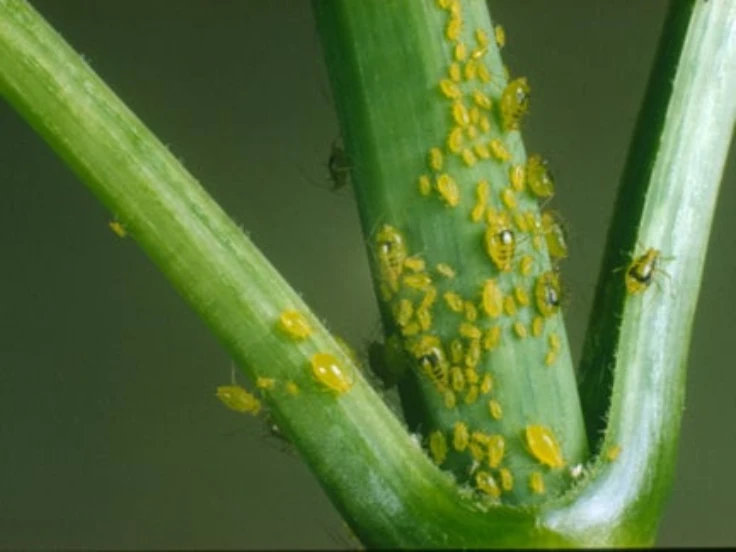
Managing these pests does not always require harsh chemicals. Several natural solutions are effective, safe, and environmentally friendly. For example, neem oil, insecticidal soap, and garlic sprays can disrupt insect feeding and reproduction. Moreover, introducing beneficial insects such as ladybugs or lacewings can reduce pest populations naturally.
Regularly cleaning leaves and pruning affected areas also prevents infestations from spreading. In addition, maintaining proper plant health with adequate watering, sunlight, and nutrient-rich soil makes plants less susceptible to attacks.
Preventive Measures to Keep Your Plants Safe
Prevention is always better than cure. Healthy plants are more resistant to tiny yellow insects. Consider the following measures:
-
Inspect new plants before introducing them to your garden.
-
Avoid overwatering, which attracts pests.
-
Rotate crops and plant species to reduce pest buildup.
-
Keep your gardening tools clean to avoid transferring insects.
Ultimately, combining these practices significantly reduces the chances of infestation.
Tiny Yellow Insects and Indoor Plant Care
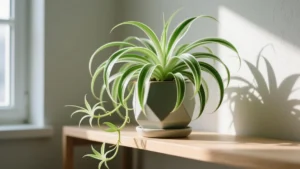
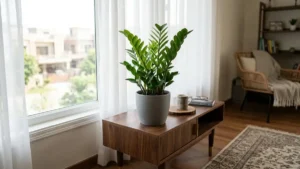
Indoor plants require special attention since pests can spread quickly in a closed environment. Humidity, temperature, and light conditions affect insect growth and reproduction. Therefore, regular inspection, proper pot drainage, and avoiding overcrowding help minimize pest problems.
Additionally, yellow sticky traps can efficiently monitor and control flying pests such as whiteflies.Indoor gardeners should also quarantine new plants for a few weeks before placing them near established plants. This ensures that insects do not spread to other indoor plants.
Gardening Tools and Techniques to Combat Pests
Practical tools and techniques make pest management easier and more effective:
-
Sticky traps – Capture flying insects and reduce population.
-
Pruning shears – Remove infested leaves and stems.
-
Soft brushes – Gently remove pests without harming the plant.
-
Beneficial insects – Ladybugs, lacewings, and predatory mites help control populations naturally.
-
Neem oil spray – Provides long-lasting pest control and is safe for indoor use.
Moreover, consistent use of these tools enhances plant health and reduces pest-related stress.
Integrating Plant Health and Pest Management
A holistic approach works best. Healthy plants resist tiny yellow insects, and preventive care with monitoring ensures long-term protection. Avoid overfertilization and maintain balanced soil. Just as travelers plan to explore Hamburg places to visit, gardeners benefit from careful planning to prevent infestations.
Tips for Maintaining Pest-Free Plants
-
Maintain proper watering schedules.
-
Provide adequate sunlight and airflow.
-
Rotate plant placement to prevent pest buildup.
-
Use organic fertilizers to strengthen plant immunity.
-
Inspect plants weekly for early signs of pests.
Therefore, following these steps ensures a vibrant and healthy garden.
FAQs
Q1: Are tiny yellow insects harmful to all types of plants?
Yes, most plants can be affected, but some species are more susceptible than others.
Q2: Can I use household items to get rid of these pests?
Absolutely. Solutions like neem oil, garlic sprays, or mild soapy water can be effective.
Q3: How fast do these insects reproduce?
Some, like aphids, can reproduce in large numbers weekly, so early detection is crucial.
Q4: Do indoor plants attract different types of yellow insects?
Yes, indoor environments can encourage pests like whiteflies and spider mites more than outdoor plants.
Conclusion
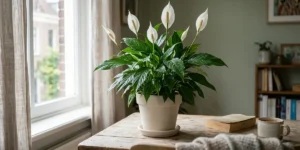
By adopting a holistic approach combining plant health, natural remedies, and preventive techniques, gardeners can maintain vibrant, pest-free greenery year-round. Paying attention to plant surroundings and signs like yellow leaves learn more in this guide on why peace lily leaves turn yellow helps prevent infestations and ensures a flourishing garden.
By using a holistic approach to plant care, gardeners can maintain healthy, pest-free greenery. Additionally, watching for early signs of stress helps prevent infestations. For quick troubleshooting, see this guide on yellow leaves on indoor plants, which helps you address problems before they worsen.