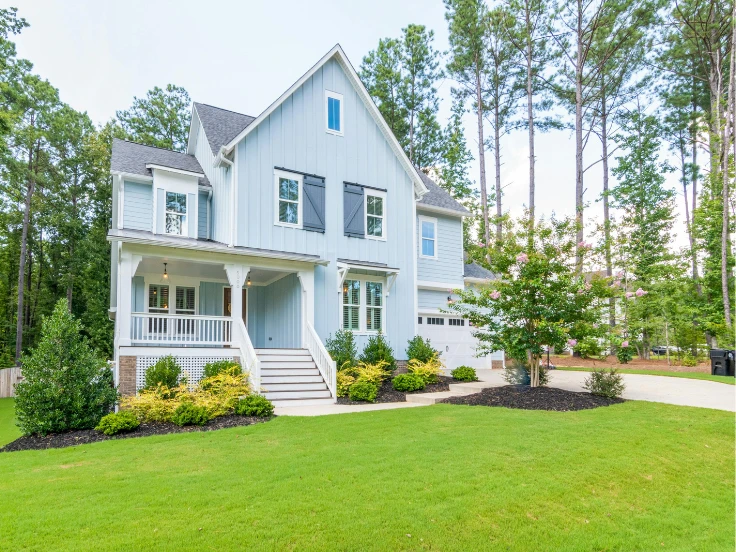
Landscaping around your house is more than just creating a visually appealing exterior; it plays a vital role in protecting your home, managing water runoff, and even improving energy efficiency. Choosing the right plants for areas adjacent to your house foundation ensures your home stays safe while also enhancing curb appeal. This guide covers what to plant next to house foundation with practical advice, plant recommendations, and design strategies.
Why Foundation Planting Matters for Your Home
Fou

ndation planting refers to arranging shrubs, flowers, and other plants near the base of your home. Not only does it add beauty, but it also protects the building from erosion, absorbs excess water, and can reduce heating and cooling costs.
Improper plant selection, however, may lead to structural damage, blocked airflow, or high maintenance.For instance, aggressive root systems can crack foundations or damage drainage systems. Moreover, dense plantings that touch walls increase the risk of moisture-related problems, such as mold or mildew.
Therefore, carefully planning what to plant next to house foundation is essential for both aesthetics and safety. Moreover, by considering soil type, sunlight, as well as growth habits, you can create a landscape that not only looks beautiful but also lasts for years.
Key Factors to Consider Before Planting

Planting near your foundation requires thoughtful decision-making. You must consider sunlight exposure, soil drainage, plant height, and root behavior. Additionally, climate and seasonal changes affect which plants will thrive. For example, shaded corners may require moisture-loving species, while sun-exposed areas need drought-tolerant varieties.
Spacing is equally crucial; overcrowded plants reduce airflow and increase disease risks. Mulching can help retain moisture and regulate soil temperature. By factoring in these considerations, you ensure your foundation planting is both practical and visually appealing.
Best Shrubs to Plant Next to Your House Foundation
Shrubs provide structure, seasonal interest, and privacy around your home. They also protect your foundation from wind and soil erosion. Selecting the right shrubs is a critical part of deciding what to plant next to house foundation.
-
Boxwood (Buxus): Evergreen, easy to shape, ideal for low-maintenance hedges.
-
Hydrangea: Offers vibrant blooms in partial shade; avoid crowding walls.
-
Azalea: Thrives in acidic soil, providing lush spring color.
-
Spirea: Hardy and low-maintenance; produces summer flowers that attract pollinators.
-
Dwarf Lilac: Compact, fragrant, and perfect for smaller foundation beds.
Shrubs not only define spaces but also serve as a backdrop for smaller plants and groundcovers. Layering shrubs of varying heights creates depth and visual interest while keeping taller species safely away from walls.
Groundcovers and Small Flowers for House Foundations
Groundcovers and flowering plants soften the edges of your foundation garden, prevent soil erosion, and reduce weeds. They are a crucial element when determining what to plant next to house foundation.
-
Periwinkle (Vinca minor): Evergreen and fast-growing; ideal for shaded areas.
-
Hostas: Lush foliage thrives in shade and adds texture.
-
Lavender: Sun-loving, fragrant, and drought-tolerant.
-
Creeping Thyme: Low-growing, attracts pollinators, and tolerates full sun.
-
Daylilies: Easy-to-maintain perennials with colorful blooms.
Using groundcovers and small flowering plants in combination with shrubs ensures year-round interest. They also fill gaps between larger plants, reducing weed growth and soil erosion.
Designing a Functional Foundation Garden
Creating a well-designed foundation garden involves careful planning and plant selection. A thoughtful layout ensures plants grow healthily while enhancing your home’s curb appeal.
-
Start with taller shrubs at the back, medium-sized plants in the middle, and low-growing flowers or groundcovers at the front.
-
Use mulch to retain soil moisture and regulate temperature.
-
Include a mix of evergreen and seasonal plants to maintain visual interest year-round.
-
Consider spacing carefully to allow for airflow and prevent disease.
-
Incorporate decorative features like stones or trellises to guide plant growth.
This layered approach allows each plant type to thrive and ensures your foundation landscape remains attractive and manageable.
Common Mistakes in Foundation Planting

Even experienced gardeners, however, sometimes make errors when planting near foundations. For example, overcrowding, improper plant selection, or planting trees with aggressive roots can therefore compromise both safety and beauty, ultimately affecting the overall garden design.
Furthermore, ignoring drainage and sunlight needs can lead to damp walls or weak plants. Avoid placing plants too close to the foundation, and choose species with manageable growth habits. By avoiding these pitfalls, your foundation garden remains safe, sustainable, and low-maintenance.
Seasonal Plants to Brighten House Foundation Beds
Incorporating seasonal plants adds color, fragrance, and texture throughout the year. Selecting the right combination of seasonal blooms ensures continuous visual appeal without overwhelming maintenance requirements.
-
Spring: Tulips, daffodils, primroses
-
Summer: Geraniums, petunias, marigolds
-
Fall: Chrysanthemums, asters, ornamental grasses
-
Winter: Hellebores, evergreen groundcovers, winter pansies
Strategically rotating seasonal plants can complement shrubs and groundcovers, maintaining an inviting look for your foundation year-round.
Eco-Friendly Tips for What to Plant Next to House Foundation
Sustainable practices are essential for conserving water, maintaining healthy soil, and reducing chemical use. By choosing native plants, mulching, and practicing responsible irrigation, you can create an environmentally friendly foundation garden.
-
Use mulch to conserve moisture and prevent weeds
-
Select drought-resistant species to minimize water use
-
Avoid invasive plants that disrupt local ecosystems
-
Compost plant waste to enrich soil naturally
-
Install drip irrigation to maximize efficiency
Eco-conscious choices not only benefit the environment but also simplify maintenance and increase plant longevity.
Stone, Trellis, and Lighting Ideas for Foundation Gardens
Additionally, adding decorative elements can elevate your foundation planting, while also guiding plant growth and enhancing aesthetics. For instance, stone borders or trellises can create structure, furthermore improving both beauty and functionality.
-
Stone Edging: Defines planting beds and prevents soil erosion
-
Trellises/Arbors: Support climbing plants without touching walls
-
Lighting: Highlights plants and increases safety at night
-
Garden Sculptures: Serve as focal points among greenery
-
Rain Barrels: Collect water for eco-friendly irrigation
These enhancements combine functionality with beauty, creating a balanced and captivating foundation landscape.
FAQs
Q1: How far should plants be from the foundation?
A: Maintain at least 2–3 feet distance to allow airflow and prevent root interference.
Q2: Can I plant trees near the foundation?
A: Avoid large trees with aggressive roots. Small ornamental trees may be suitable if planted far from the foundation.
Q3: What soil works best for foundation plants?
A: Well-drained, loamy soil enriched with compost promotes healthy growth and prevents waterlogging.
Conclusion:What to Plant Next to House Foundation
Knowing what to plant next to house foundation is essential for creating a landscape that is beautiful, safe, and low-maintenance. A mix of shrubs, groundcovers, and seasonal flowers, combined with proper spacing, mulch, and eco-friendly practices, ensures year-round visual appeal.
Decorative elements can enhance your garden’s charm and protect your home’s foundation. Choose the right plants to improve aesthetics and structure, creating a welcoming outdoor space. See our guide on plants for the front of your house for the best options.
Draw inspiration from Hamburg places to visit and translate it into your foundation garden design. Learn plant layering tips in our guide on terrarium layers to structure your garden beautifully, create visual depth, and keep your plants thriving year-round.