
Can spider plants live in water? This is one of the most common questions plant lovers ask when exploring new ways to care for their favorite houseplant. The good news is that spider plants can indeed survive and even thrive in water when grown with proper care. This water-based method, also known as hydroponic growing, is becoming increasingly popular because it is simple, clean, and visually appealing.
How to Grow Spider Plants in Water
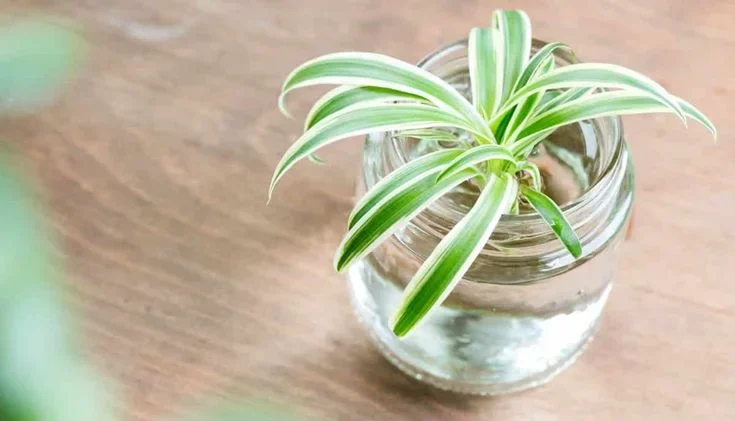
Learning how to grow spider plants in water is easier than most people think, and it offers a clean, low-maintenance way to enjoy this popular houseplant indoors. To begin, choose a healthy spiderette with small root nubs and place it in a glass jar or vase filled with clean, filtered water.
Make sure only the roots are submerged while keeping the leaves above water to prevent rotting. Since spider plants thrive in bright, indirect sunlight, position the container near a window but away from direct harsh rays. Furthermore, changing the water every 7–10 days keeps it fresh and oxygenated, which encourages stronger root development.
Adding a diluted liquid fertilizer once a month will also help provide the nutrients that plain water cannot supply. With these simple steps, your spider plant can flourish in a water-based setup and bring a refreshing green touch to any space.
Step 1: Select a Healthy Spiderette
Start with a spiderette, also called a baby plant, that has a few roots already forming. These offshoots usually hang from the mother plant, making them easy to propagate.
Step 2: Choose the Right Container
A transparent glass jar or vase works best. It not only showcases the roots but also helps you monitor the water level.
Step 3: Use Clean, Filtered Water
Tap water often contains chemicals like chlorine and fluoride that can harm spider plants. If possible, use distilled or filtered water.
Step 4: Position the Plant Correctly
Place the spiderette in the jar so that only the roots are submerged in water. Keeping the leaves above water prevents rot.
Step 5: Maintain Proper Water Levels
Check the water every few days. Ensure that the roots remain submerged, but avoid filling the jar too high.
Care Tips for Spider Plants in Water
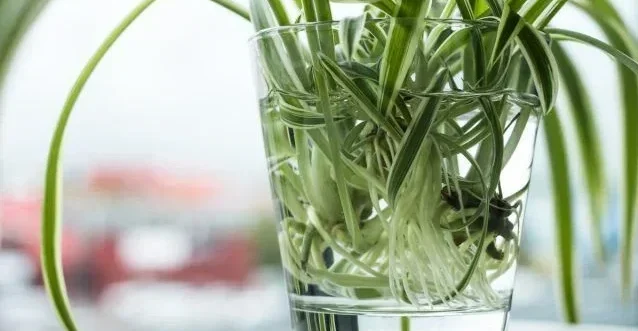
Following the right care tips for spider plants in water is essential to keep them healthy and thriving long-term. First, always use clean, filtered, or distilled water because tap water often contains chlorine and fluoride that may damage the roots. In addition, replace the water every 7–10 days to prevent bacteria buildup and to keep the roots oxygenated.
Since spider plants prefer bright, indirect sunlight, place the container near a window but avoid direct exposure that can scorch the leaves. To boost growth, add a diluted liquid fertilizer once a month, as water alone cannot provide all the nutrients your plant needs.
Moreover, regularly check the roots for signs of rot or discoloration, trimming away any unhealthy parts promptly. By consistently applying these simple care practices, your spider plant will flourish in a water-based setup, creating a fresh and low-maintenance indoor display.
Change the Water Regularly
Stagnant water encourages bacterial growth. Replace the water every 7–10 days to keep it fresh.
Provide Indirect Sunlight
Spider plants love bright, indirect light. Place your container near a window, but avoid harsh direct sunlight, which can burn the leaves.
Add Nutrients Occasionally
Water alone cannot provide all the nutrients spider plants need. Add a diluted liquid fertilizer once a month to ensure healthy growth.
Monitor for Root Rot
If the roots turn brown or smell unpleasant, trim the affected parts and replace the water immediately.
Pros and Cons of Growing Spider Plants in Water
Understanding the pros and cons of growing spider plants in water helps you decide if this method is right for your home or office. On the positive side, water-grown spider plants require less maintenance since you don’t need to worry about soil pests, compacted dirt, or frequent repotting.
They also create a modern, decorative look, especially when displayed in glass containers that showcase the root system. In addition, hydroponic growth makes it easy to monitor plant health, as you can quickly notice root discoloration or damage. However, there are some drawbacks to consider.
Spider plants generally grow more slowly in water than in soil because nutrients are limited, and frequent water changes are necessary to prevent algae or root rot. Moreover, you may need to supplement with liquid fertilizer to keep the plant healthy.
Additionally, when growing spider plants whether in soil or water—it’s important to watch for pests like spider mites, which can damage leaves and stunt growth. Our detailed guide on signs of spider mites can help you spot problems early and take effective action.
By weighing these advantages and disadvantages, you can make an informed choice about whether water-based growing suits your lifestyle.
Pros
- Easy maintenance
- Attractive display of roots
- Pest-free growing environment
- Ideal for small spaces
Cons
- Slower growth compared to soil
- Requires frequent water changes
- Limited nutrient supply
Can Spider Plants Live in Water Forever?
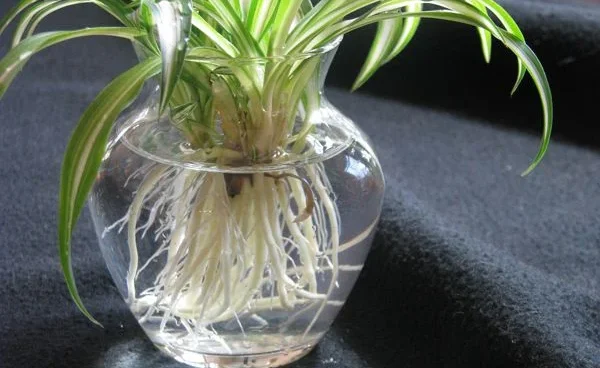
Spider plants can live in water for months or even years with proper care. However, they may not grow as vigorously as they would in soil because water alone cannot provide the same level of nutrients.
Some gardeners prefer to start spiderettes in water and later transfer them to soil once the roots have matured. This way, the plant benefits from the easy propagation of water and the long-term nutrition of soil.
Best Containers for Spider Plants in Water
Choosing the right container enhances both growth and aesthetics.
- Glass jars: Showcase roots beautifully.
- Ceramic vases: Stylish but harder to monitor water levels.
- Hydroponic planters: Designed specifically for water-based growing.
For extra decoration, you can add pebbles or marbles at the bottom of the jar. Not only do they stabilize the plant, but they also make the display more attractive.
Common Problems When Growing Spider Plants in Water
- Algae Growth: Clear containers exposed to too much sunlight often develop algae. To prevent this, use opaque glass or change water more often.
- Yellowing Leaves: Usually caused by poor water quality or lack of nutrients. Switching to filtered water and adding fertilizer can help.
- Root Rot: Occurs if roots remain submerged in dirty water for too long. Regular water changes solve this issue.
FAQs
1. Can spider plants grow faster in water?
Not really. Spider plants generally grow faster in soil because they receive more nutrients. However, water propagation is excellent for easy care and display.
2. Do spider plants in water need fertilizer?
Yes, adding diluted liquid fertilizer once a month ensures healthy growth since water alone cannot provide all essential nutrients.
3. How long can spider plants survive in water?
They can survive for years if properly cared for. Many gardeners prefer to keep them permanently in water as decorative houseplants.
4. Can I move my spider plant from water to soil?
Absolutely! Once the roots are well-developed, you can transfer them to soil. Just ensure the transition is smooth by keeping the soil slightly moist in the beginning.
5. Will spider plants flower if kept in water?
Spider plants can still produce flowers and spiderettes in water, although it may take longer compared to soil-grown plants.
According to The Old Farmer’s Almanac, spider plants are adaptable houseplants that thrive under various conditions. Growing them in water is a fun, low-maintenance method that appeals to beginners.
Conclusion
So, can spider plants live in water? The answer is a resounding yes. Spider plants can thrive hydroponically with the right care, including regular water changes, proper lighting, and occasional fertilizer.
However, just like other indoor plants, they require attention to leaf health. For instance, monitoring for issues such as yellowing leaves—as explained in our guide on Peace Lily yellow leaves can help ensure your spider plants remain vibrant and healthy.
While they may not grow as quickly as in soil, the aesthetic appeal and low-maintenance nature make water-grown spider plants an excellent option for indoor gardening. Whether you’re a beginner or a seasoned gardener, trying out this method is a rewarding way to enjoy the beauty of spider plants in a unique and modern style.