
Aloe vera is a resilient succulent, but even hardy plants require proper attention to thrive. If you are wondering how to keep aloe vera alive, it is essential to understand its natural needs and adopt a consistent care routine. By controlling watering, providing adequate light, using well-draining soil, and maintaining regular care, you can help your aloe vera flourish for years. Furthermore, following these tips will prevent common problems and enhance your plant’s longevity.
With consistent observation and proper care, your aloe can provide both decorative beauty and natural healing benefits at home. Additionally, replicating its native environment allows your plant to grow stronger and resist stress caused by changes in temperature or sunlight. Finally, this guide will answer common questions and offer advanced tips to ensure you understand how to keep aloe vera alive successfully.
Understanding Aloe Vera’s Natural Requirements
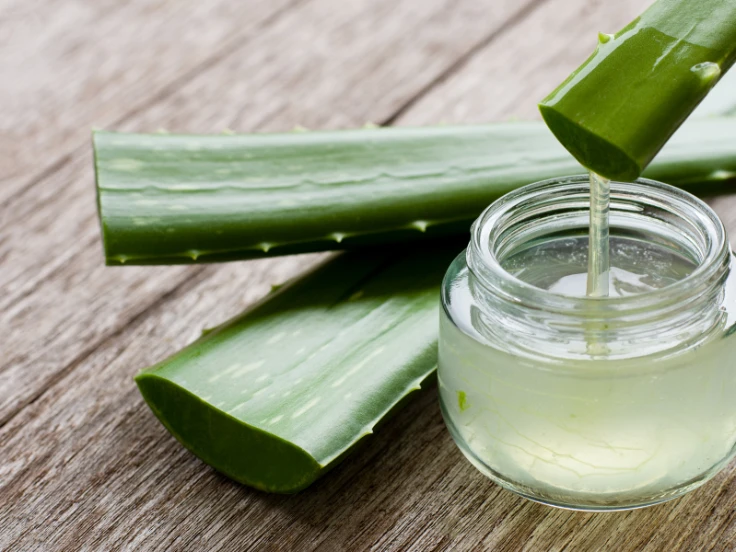
Although aloe vera requires minimal maintenance, it reacts strongly to overwatering and insufficient light. Aloe originates from arid regions, so it thrives in bright sunlight, dry soil, and infrequent watering. Therefore, replicating these conditions at home ensures your plant stays alive and healthy.Aloe grows best in bright, indirect sunlight. Place it near a south or west-facing window for optimal growth.
If you expose it to prolonged direct sunlight, the leaves may scorch, causing brown or yellow patches. Indoor growers can use artificial grow lights to maintain consistent light exposure, especially during winter months when sunlight is limited. By understanding these natural requirements, you create an environment that makes it easier to sustain your aloe and answer the question of how to keep aloe vera alive effectively.
Proper Watering Techniques
Watering plays a critical role in aloe care. Many people overwater, leading to root rot and yellowing leaves. Aloe stores water in its leaves, so it only needs hydration every two to three weeks. Ensure the soil dries completely before watering again. Pour water at the base of the plant and avoid wetting the leaves.
During winter, reduce watering as the plant enters dormancy. Using a moisture meter can help confirm soil dryness and prevent overwatering. Proper watering keeps your aloe strong and healthy, which is essential to understand how to keep aloe vera alive for the long term.
Selecting the Right Soil to Keep Aloe Vera Alive
Soil quality directly affects your aloe’s health. Aloe thrives in sandy, well-draining soil. Regular garden soil retains too much water, which can damage roots. A cactus or succulent soil mix is ideal, or you can create your own by combining sand, potting soil, and perlite. For similar low-maintenance plant care tips, you can also learn how to care for air plants here, which thrive with minimal soil and attention.
Well-draining soil ensures water passes through quickly, preventing root rot while supplying necessary nutrients. Healthy soil promotes strong root growth and supports long-term survival. By focusing on soil preparation, you lay the foundation for keeping your aloe vibrant and answering the question of how to keep aloe vera alive.
Picking the Right Pot to Keep Aloe Vera Alive
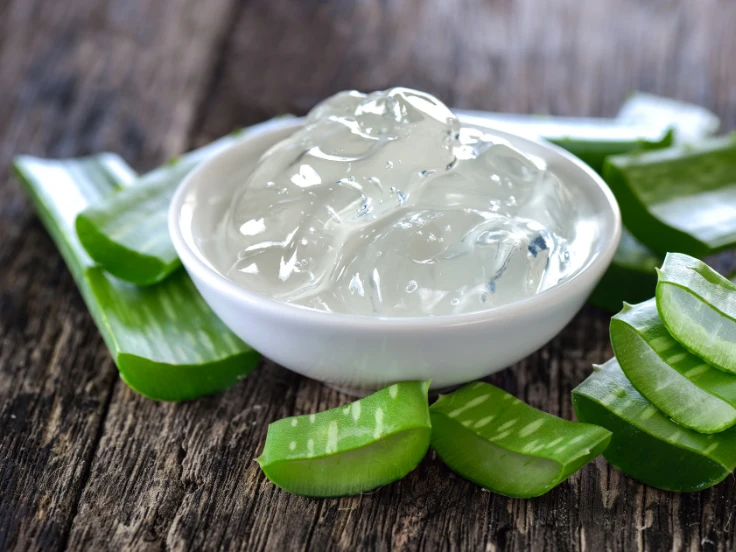
The right pot supports aloe growth and prevents water-related problems. Terracotta or clay pots are excellent choices because they absorb excess moisture. Pick a pot slightly larger than the plant’s root system to allow growth while preventing water from pooling. Ensure the pot has a drainage hole to let excess water escape.
Proper pot selection complements soil quality, reducing risks of overwatering and promoting strong root development. This simple step is essential when learning how to keep aloe vera alive, especially for indoor plants.
Fertilization Tips for Keeping Aloe Vera Alive
Fertilizing supports growth, but too much can harm the plant. Feed your aloe once or twice a year during spring and summer using a diluted, balanced water-soluble fertilizer or a cactus-specific fertilizer. Aloe does not require heavy feeding.
Fertilization encourages lush green leaves and overall plant vitality. Moderate feeding combined with watering and proper light exposure ensures your aloe thrives, which is crucial for understanding how to keep aloe vera alive in any home environment.
Temperature and Humidity Tips for Aloe Vera
Aloe prefers warm temperatures between 55°F and 80°F (13°C–27°C). Cold drafts, frost, or sudden changes can stress the plant. Indoors, keep aloe away from air conditioners or heaters. Outdoors, bring it inside if temperatures drop below 50°F.
Maintaining a stable temperature and moderate humidity promotes consistent growth and reduces stress on the plant. These environmental adjustments are key to sustaining your aloe and mastering how to keep aloe vera alive.
Pruning and Regular Care for Healthy Aloe Vera
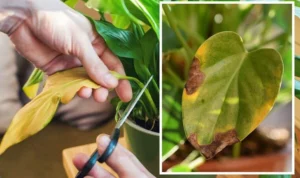
Regular pruning keeps aloe healthy and attractive. Remove dead or dried leaves at the base to encourage new growth. Only harvest mature leaves, leaving at least two or three leaves intact. Wipe dust from leaves to improve photosynthesis and overall health.
Consistent pruning prevents pests and maintains plant beauty, making it easier to sustain a thriving aloe. Regular care also strengthens your understanding of how to keep aloe vera alive, ensuring a long-lasting and robust plant.
Solving Common Problems to Keep Aloe Vera Alive
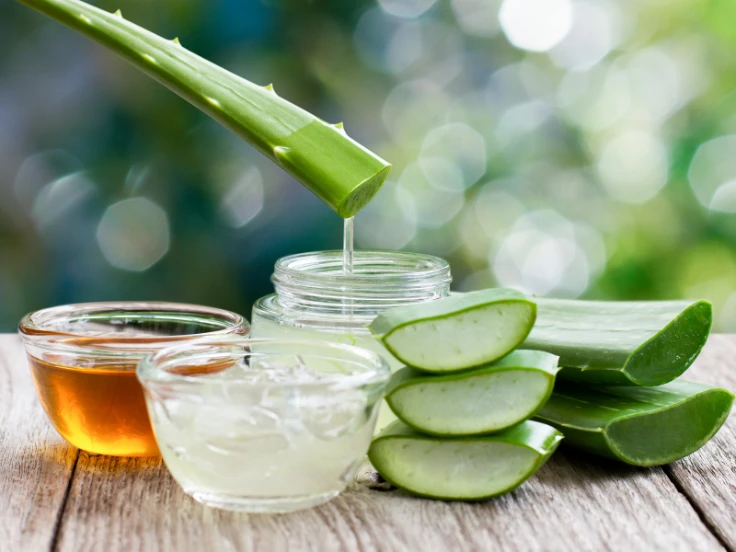
Even with proper care, aloe may face issues. Root rot develops from overwatering; trim damaged roots and repot in dry, well-draining soil. Yellowing leaves indicate excessive water or insufficient light; adjust watering and move the plant to a brighter spot. For a step-by-step guide on rescuing a struggling aloe, you can follow our detailed guide on how to revive an aloe vera plant.
Aloe can also attract pests such as mealybugs or aphids. Apply insecticidal soap or neem oil to control infestations and maintain plant health. For detailed guidance, refer to the Royal Horticultural Society’s Aloe Vera Care Page or Gardening Know How for natural remedies and organic tips.
FAQs
How Often Should I Water My Aloe Vera?
Water every two to three weeks, making sure the soil dries completely between watering.
Can Aloe Vera Survive Outdoors?
Aloe grows well outdoors in warm climates with well-draining soil, but protect it from frost and heavy rain.
How Much Sunlight Does Aloe Vera Need?
Aloe thrives in bright, indirect sunlight; avoid prolonged exposure to direct sun to prevent leaf burn.
Do I Need to Fertilize Aloe Vera?
Fertilize once or twice a year with diluted cactus or succulent fertilizer.
Why Are My Aloe Leaves Turning Brown?
Brown leaves usually indicate overwatering, sunburn, or old age. Remove damaged leaves to encourage new growth.
Conclusion
You can keep aloe vera alive by understanding and meeting its specific needs. First, focus on proper watering, well-draining soil, and bright, indirect sunlight. Next, fertilize occasionally, maintain suitable temperature, and prune regularly. Additionally, observing your plant closely allows you to anticipate its needs and respond effectively.
Moreover, making small adjustments over time prevents common problems such as root rot and yellowing leaves. Finally, providing consistent care ensures your aloe remains vibrant, thriving, and aesthetically appealing.For advanced guidance, explore MasterClass’s Aloe Vera Guide or check the Royal Horticultural Society for expert tips. By following these steps, you can master how to keep aloe vera alive and enjoy a healthy, long-lasting plant at home.