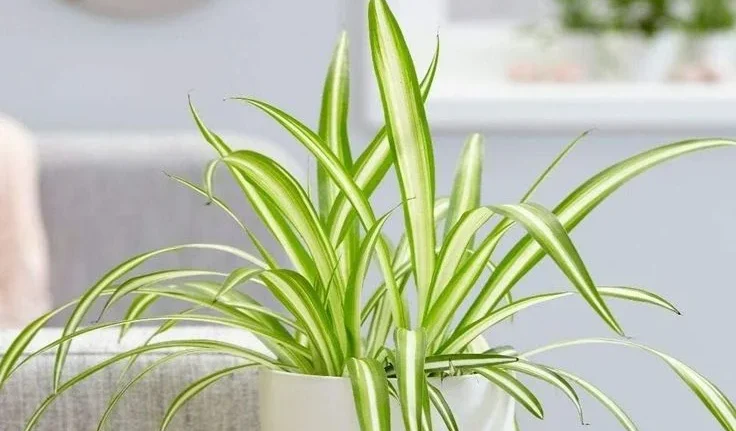
Spider plants (Chlorophytum comosum) are beloved for their air-purifying qualities and attractive foliage. Native to tropical and southern Africa, they are typically grown indoors but can also thrive outdoors under the right conditions. In this comprehensive guide, we’ll explore whether spider plants can live outside, their ideal outdoor growing conditions, and essential care tips to ensure they flourish.
Understanding Spider Plants
Spider plants are evergreen perennials known for their long, arching leaves and small white flowers that give rise to “pups” or plantlets. These pups can be propagated to grow new plants. While they are adaptable and easy to care for indoors, their outdoor viability depends on climate, sunlight, and seasonal changes.
Can Spider Plants Live Outside? Everything You Need to Know
Yes, spider plants can live outside, but their success depends on several important factors. Understanding these elements ensures your plants thrive in outdoor conditions. Proper care involves attention to climate, temperature, and sunlight exposure, which are crucial for the health and longevity of spider plants outdoors.
Which Climate Zones Allow Spider Plants to Live Outside
Spider plants are hardy in USDA zones 9–11, which correspond to warmer and more tropical climates. In these zones, they can grow year-round outdoors without risk. However, in cooler regions, spider plants should be treated as annuals or carefully brought indoors during colder months to prevent frost damage. Gradually acclimating them to outdoor conditions helps minimize stress and encourages strong growth.
Ideal Temperature Ranges for Spider Plants Outdoors
Spider plants flourish in temperatures ranging between 65°F and 90°F (18°C to 32°C). Exposure to temperatures below 50°F (10°C) can cause leaf damage or even kill the plant if left unprotected.
Therefore, monitoring the outdoor temperature and providing occasional shelter during unexpected cold snaps is essential. Using pots allows you to move spider plants indoors or to a more protected area when necessary.
Sunlight Requirements for Outdoor Spider Plants
When grown outside, spider plants thrive in bright, indirect light. Direct sunlight, particularly during the harsh afternoon hours, can scorch their delicate leaves, causing browning or curling tips. To protect them, place spider plants in partial shade or under the canopy of taller plants.
Transitioning them gradually from indoor light to outdoor conditions helps prevent sunburn and ensures they adapt successfully. (Martha Stewart)
By paying attention to these factors climate zones, temperature, and sunlight you can successfully grow spider plants outside. Proper outdoor placement not only enhances their health but also allows them to produce vibrant foliage and offshoots, making your garden lively and refreshing.
Best Outdoor Conditions for Spider Plants to Thrive
Spider plants can thrive outdoors when you provide the right combination of sunlight, temperature, and soil conditions. First, they need bright, indirect light to maintain vibrant foliage, while direct sunlight should be limited to avoid scorching the leaves.
Additionally, they prefer temperatures between 65°F and 90°F (18°C to 32°C), which support strong growth and healthy root development. Proper soil is equally important; well-draining, slightly acidic to neutral soil, such as loamy or sandy soil, allows roots to absorb nutrients efficiently and prevents waterlogging.
Furthermore, consistent but moderate watering ensures the plant stays hydrated without risking root rot. By placing your spider plants in a sheltered spot like under a tree, porch, or patio you protect them from harsh wind, heavy rain, and sudden temperature changes.
Combining these outdoor conditions maximizes growth, encourages propagation of “pups,” and keeps your spider plants healthy, lush, and visually appealing throughout the year.
Soil and Potting Requirements for Spider Plants Outdoors
Spider plants grow best in well-draining, slightly acidic to neutral soil. Loamy or sandy soils provide the ideal environment for roots to expand and absorb nutrients effectively. Using appropriate soil not only supports healthy growth but also prevents waterlogging and root problems. (Martha Stewart)
How to Water Spider Plants Outside Properly
Outdoor spider plants require consistent but moderate watering. Water the plant when the top inch of soil feels dry, ensuring the pot or garden bed has good drainage. Proper watering prevents root rot while keeping your plant lush and thriving in outdoor conditions.
Protecting Spider Plants Outside From Harsh Weather
Shield your spider plants from strong winds and heavy rain by placing them in a sheltered location, such as a porch, patio, or under a tree. Protection from extreme weather helps maintain healthy leaves and prevents stress that can stunt growth.
Seasonal Care: How to Keep Spider Plants Healthy Outside
- Acclimatization: Gradually introduce your spider plant to outdoor conditions by placing it outside for a few hours each day, increasing the duration over a week.
- Overwintering: Before the first frost, bring the plant indoors. Trim any dead or damaged leaves and check for pests.
Common Outdoor Pests That Affect Spider Plants

When you grow spider plants outside, you must stay alert to common garden pests that quickly damage their leaves. The most frequent culprits include aphids, spider mites, and scale insects, all of which feed on the plant’s sap and weaken its overall growth.
Aphids cluster on new shoots, while spider mites create fine webbing that covers the foliage. Scale insects, on the other hand, appear as tiny brown bumps that stick stubbornly to stems and leaves.
Fortunately, you can manage these pests with consistent care. Start by inspecting your spider plant regularly, especially the undersides of leaves where insects often hide. If you notice pests, act quickly by rinsing the plant with a strong spray of water or applying natural remedies such as neem oil or insecticidal soap.
In addition, improving air circulation and avoiding overwatering makes the plant less attractive to pests. With these proactive steps, you not only protect your spider plant outdoors but also ensure it continues to grow healthy and vibrant.
Propagating Spider Plants Outdoors
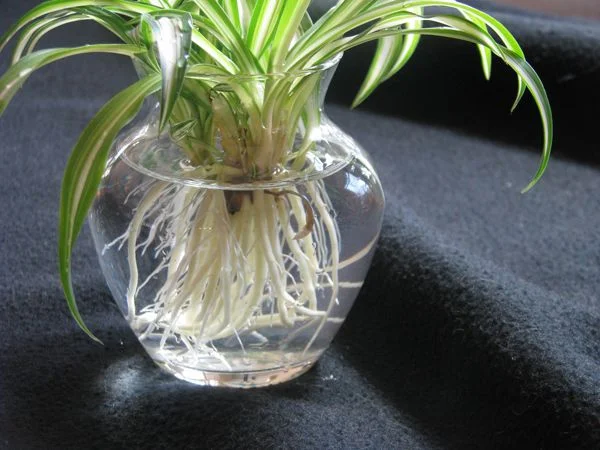
Spider plants produce “pups,” which you can easily propagate to grow new plants. First, allow the pup to develop roots while it remains attached to the mother plant. Once the roots are strong and established, cut the pup away from the mother plant.
Then, plant it in a pot filled with well-draining soil to encourage healthy growth. This propagation method works perfectly for expanding your collection or sharing spider plants with friends, while keeping them vibrant and thriving outdoors. For more plant-care tips, especially if you notice discoloration, you can read this helpful guide on yellow leaves on indoor plants to keep your greenery healthy.
FAQs
Can spider plants survive winter outdoors?
In regions with mild winters (zones 9–11), spider plants can survive outdoors year-round. In colder climates, they should be brought indoors before the first frost.
How do I know if my spider plant is getting too much sun?
Signs of sunburn include browning or yellowing leaf tips and faded leaf color. If you notice these symptoms, move the plant to a shadier location.
Can I grow spider plants in hanging baskets outdoors?
Yes, spider plants do well in hanging baskets outdoors, provided they are placed in a shaded area and protected from strong winds.
Can Spider Plants Live Outside: Conclusion
Spider plants can indeed live outside, provided they are given the right conditions. By ensuring proper climate, sunlight, soil, and seasonal care, you can enjoy the beauty of spider plants in your outdoor space. Remember to monitor for pests and acclimate the plant gradually to outdoor conditions.
With these steps, your spider plant can thrive outdoors, adding greenery and fresh air to your environment. If you’re looking for more outdoor-friendly greenery ideas, you may also enjoy exploring hanging ivy plants for indoor spaces, which pair beautifully with spider plants and offer lush, trailing foliage.
For more information on caring for spider plants outdoors, visit Plant Addicts.