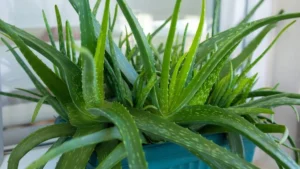
If you’ve noticed that your aloe vera plant is dying, you’re not alone. Aloe vera is known for its resilience, but even hardy plants can face issues if conditions aren’t ideal. In this comprehensive guide, we’ll explore common causes, preventive measures, and solutions to help revive your aloe vera and keep it thriving.
Common Causes of Aloe Vera Decline
1. Overwatering Causing Aloe Vera Plant Dying
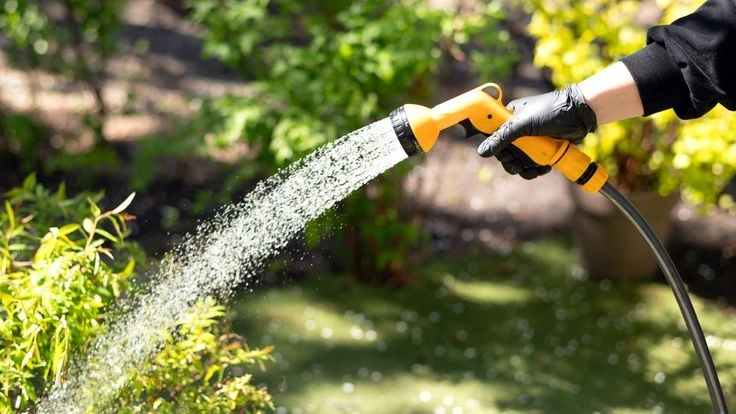
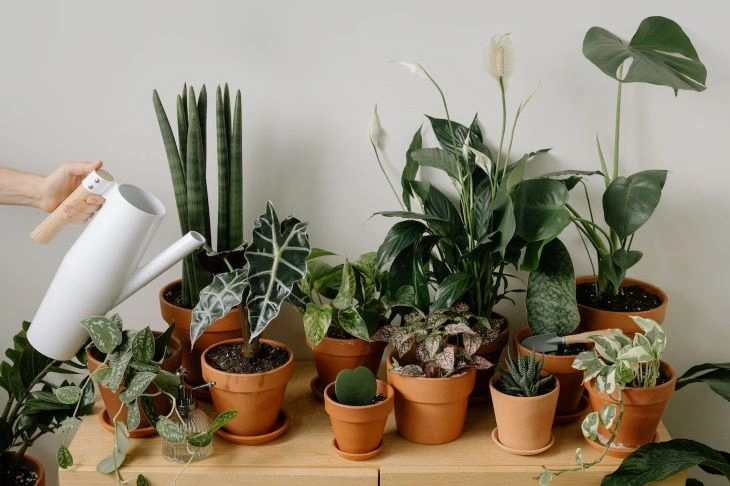
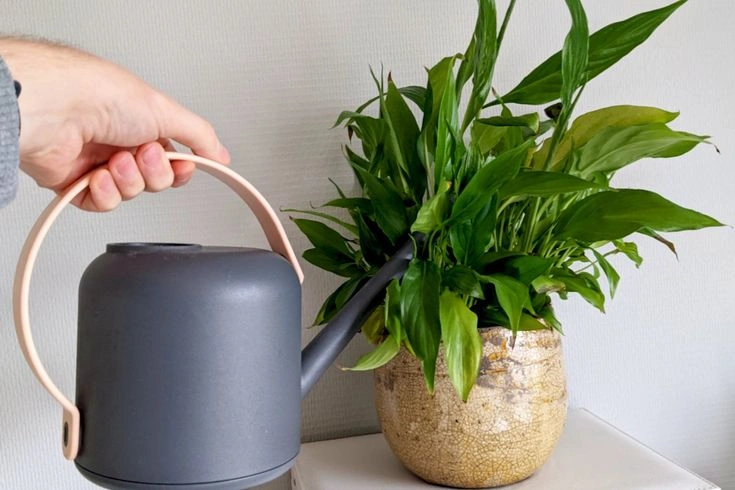
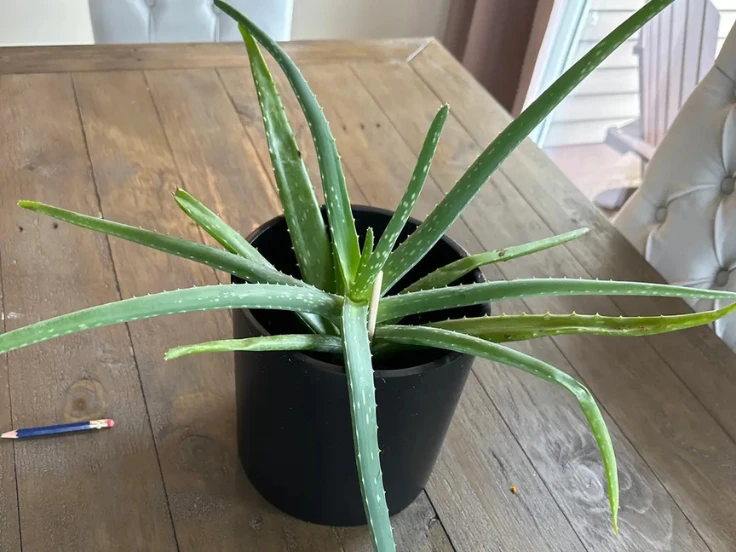
Overwatering is the most frequent reason for an aloe vera plant dying. Aloe vera thrives in dry conditions, and excess water can cause root rot. Other plants, like the rubber plant, also show leaf damage when overwatered learn more here.
2. Poor Drainage Leading to Aloe Vera Plant Dying
Another major factor is poor soil drainage. Using regular garden soil or a pot without drainage holes can trap water around the roots, leading to rot. Always use a well-draining cactus or succulent mix and pots with drainage holes. Additionally, adding perlite or coarse sand to your soil can further enhance drainage.
3. Insufficient Light and Aloe Vera Plant Dying Symptoms
Aloe vera plants require plenty of indirect sunlight. Insufficient light can weaken the plant, causing slow growth and drooping leaves. Placing your plant near a south-facing window or providing supplemental grow lights can prevent this issue. Remember, sudden exposure to intense sunlight can scorch the leaves, so gradual adjustment is necessary.
4. Extreme Temperatures Affecting Aloe Vera Plant Health
Aloe vera is sensitive to extreme temperatures. Exposure to frost or very hot indoor conditions can cause stress, leading to browning or wilting. Maintain an indoor temperature between 55°F and 80°F (13°C and 27°C) for optimal health. Using a climate-controlled environment can be particularly helpful for indoor aloe enthusiasts.
5. Pest Infestations Damaging Aloe Vera Plant
Although rare, pests like mealybugs and aphids can attack aloe vera plants. Look for tiny insects or sticky residue on leaves. Promptly treating infestations with natural insecticidal soap can prevent further damage. It’s important to regularly inspect your plant and quarantine any new plants before introducing them nearby.
6. Nutrient Deficiency Weakening Aloe Vera Plant
While aloe vera doesn’t require frequent fertilization, prolonged growth in nutrient-poor soil can weaken the plant. Yellowing or curling leaves may indicate a lack of essential minerals. Feeding aloe vera once or twice a year with a diluted succulent fertilizer can support strong, healthy growth.
How to Revive a Dying Aloe Vera Plant Step by Step
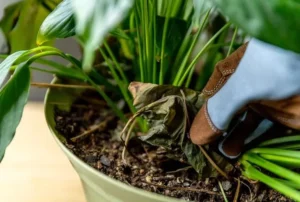
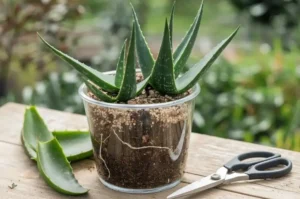
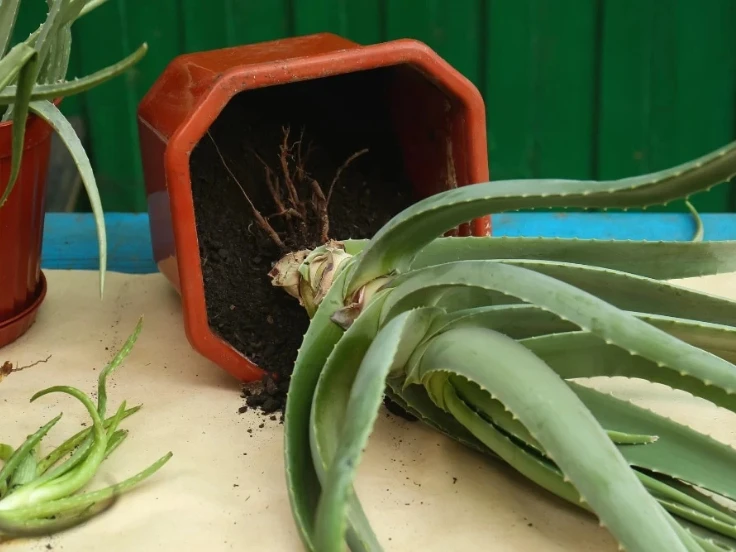
Step 1: Remove Damaged Partst
Step 2: Repot Aloe Vera Plant Dying from Root Rot
Gently remove the plant from its current pot and examine the roots. Trim any blackened or rotten roots. Then, repot the plant using a cactus or succulent soil mix in a pot with drainage holes. This ensures that excess water doesn’t accumulate. Incorporating pebbles or gravel at the bottom of the pot can further improve drainage.
Step 3: Adjust Watering Schedule
Water your aloe vera only when the top 1–2 inches of soil are dry. Typically, watering every 2–3 weeks is sufficient. However, reduce watering further during winter when growth slows down. Remember, underwatering is preferable to overwatering for aloe vera.
Step 4: Optimize Light & Temperature
Move your plant to bright, indirect sunlight (south or west-facing windows are best). Avoid direct sun and keep it away from drafts or heaters. Regularly check the soil moisture to prevent overwatering. Learn more about indoor plant lighting here.
Step 5: Treat Pests and Protect Your Aloe Vera Plant
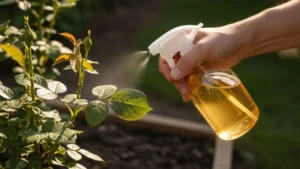
Inspect your plant regularly for pests. If you detect mealybugs or aphids, wipe leaves with a mixture of mild soap and water, or use neem oil as a natural insecticide. Persistent infestations may require repeating treatment every few days until the problem is resolved.
Preventive Measures to Stop Aloe Vera Plant Dying
- Use proper soil: Always choose a well-draining mix.
- Water moderately: Let soil dry out completely between waterings.
- Provide adequate light: Bright, indirect sunlight keeps leaves healthy.
- Maintain temperature: Avoid frost and extreme heat.
- Check for pests: Regularly inspect for insects and treat early.
- Fertilize occasionally: Use a diluted cactus fertilizer once or twice a year.
- Avoid overcrowding: Provide enough space for roots to grow freely.
Signs Your Aloe Vera Plant is Dying
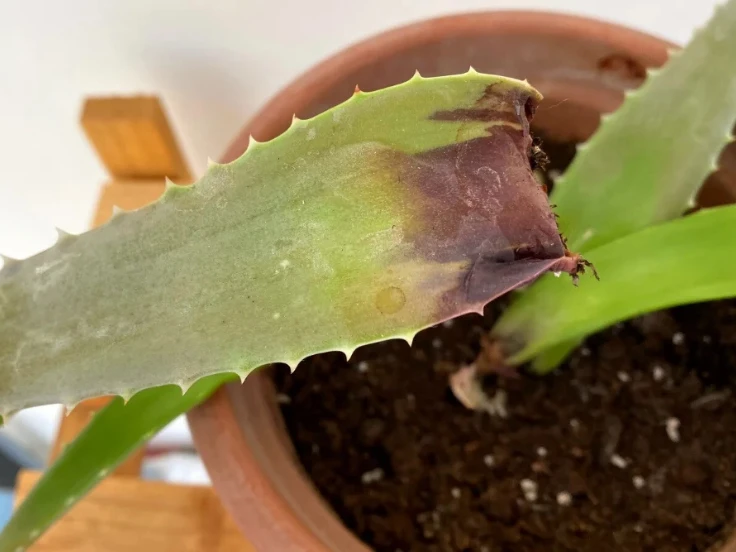
- Leaves turning brown or yellow
- Soft, mushy leaves
- Stunted growth
- Foul odor from soil (indicates root rot)
- Leaf tips curling or dropping
- Slow or no new growth
Recognizing these signs early allows for timely intervention to save your plant and prevent irreversible damage.
Why is my aloe vera turning brown?
Browning is usually caused by overwatering, sunburn, or cold exposure. Check soil moisture and adjust light conditions accordingly. Trim affected leaves to encourage new growth.
Can I save a completely wilted aloe vera?
Yes, if some roots are still healthy. Repot in fresh, well-draining soil and reduce watering. Provide bright indirect light and avoid sudden environmental changes.
How often should I water aloe vera?
Typically, every 2–3 weeks, depending on temperature and humidity. Always ensure soil dries out between waterings. During winter, watering frequency should be reduced further.
What type of soil is best for aloe vera?
A cactus or succulent potting mix with excellent drainage is ideal. Avoid regular garden soil and compacted mixtures that retain water.
Are aloe vera plants sensitive to indoor conditions?
Yes, they prefer bright indirect light and temperatures between 55°F and 80°F. Avoid frost and hot, dry air. Rotating your plant occasionally ensures even growth.
How can I prevent pests on aloe vera?
Inspect your plant regularly, avoid overwatering, and quarantine new plants. Use natural treatments like neem oil or mild insecticidal soap if pests appear.
Expert Tips for Long-Term Aloe Vera Plant Health
- Rotate the plant occasionally to ensure even growth.
- Remove any dried or dead leaves to prevent disease.
- Fertilize sparingly during the growing season with a cactus fertilizer.
- Consider propagating pups to expand your aloe collection.
- Monitor humidity and temperature levels to prevent environmental stress.
- Keep a journal of watering schedules and growth patterns to anticipate care needs.
For additional guidance on aloe vera care, you can visit The Spruce: Aloe Vera Care for in-depth tips.
Conclusion
Understanding why your aloe vera plant is dying is crucial for saving it. Firstly, by addressing issues such as overwatering, poor drainage, and insufficient light, you can prevent further damage. Additionally, extreme temperatures, pests, and nutrient deficiencies must be managed carefully. Moreover, consistent care and proper soil improve the plant’s resilience. For a complete guide on keeping your aloe healthy, check out our detailed aloe plant care tips to ensure your plant thrives.
Furthermore, attention to environmental conditions supports healthy growth. In addition, proactive maintenance ensures long-term vitality. Consequently, your aloe vera can thrive. As a result, it will remain vibrant and healthy. Finally, these steps make your plant beneficial for your home. Therefore, understanding and acting on these factors is essential for successful revival.