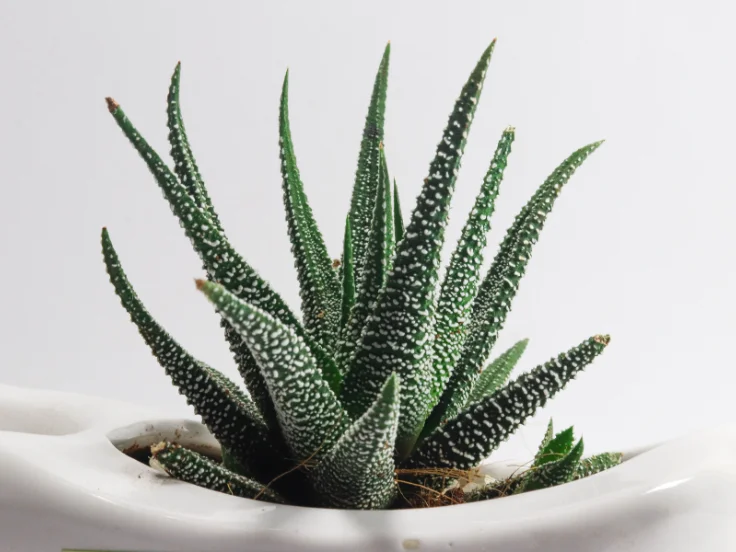
When people encounter aloe vera’s thick, fleshy leaves, they often ask, is aloe vera plant a cactus? At first glance, aloe vera looks similar to many cactus species because it thrives in deserts, stores water in its leaves, and has spiny edges. However, aloe vera is not a cactus. It is a succulent plant belonging to the Asphodelaceae family, while cacti belong to the Cactaceae family.
This confusion is understandable, but knowing the difference matters. Proper care, growth, and even health benefits depend on identifying aloe vera correctly. Let’s explore its similarities with cacti, key differences, history, and why aloe vera deserves recognition as more than just a “cactus lookalike.”
What Is Aloe Vera?
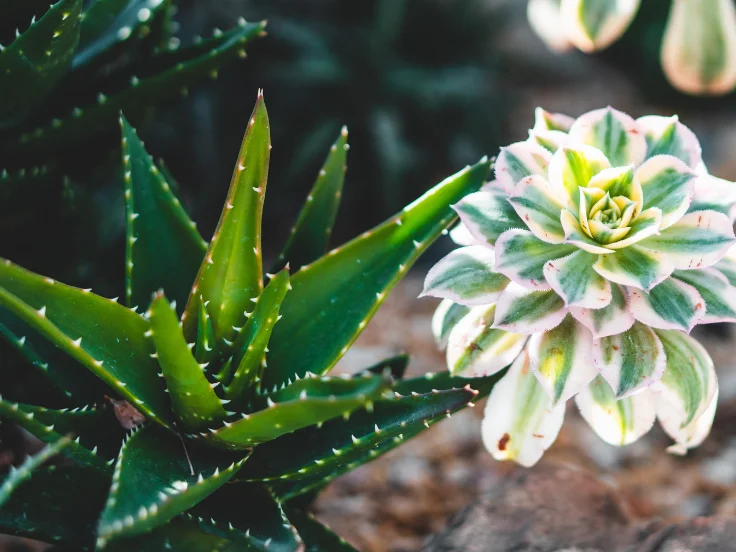
Before answering the question is aloe vera plant a cactus, it’s important to understand what aloe vera really is. Aloe vera is an evergreen perennial succulent. It is native to the Arabian Peninsula but now grows worldwide, especially in tropical and subtropical regions.
It has:
-
Thick, fleshy leaves for water storage.
-
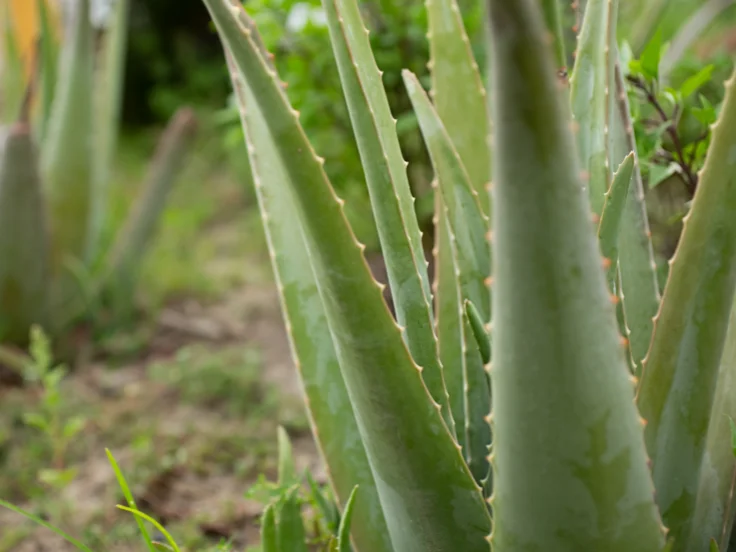
Serrated edges with small teeth, which resemble cactus spines.
-
Medicinal compounds such as aloin and polysaccharides.
Because of these characteristics, aloe vera is one of the most recognized medicinal plants in the world.
Why Do People Think Aloe Vera Is a Cactus?
At first glance, aloe vera shares many cactus-like features:
-
Adaptation to Arid Climates – Both plants store water and survive long droughts.
-
Spiny Appearance – The small teeth on aloe vera’s leaves mimic cactus spines.
-
Low Water Needs – Aloe vera thrives with minimal watering, like most cacti.
-
Desert Origin – Aloe vera’s natural habitat is dry and sandy, just like cactus regions.
These traits explain why people repeatedly wonder, is aloe vera plant a cactus or not?
Aloe Vera vs. Cactus: Key Differences
To clarify the question is aloe vera plant a cactus, let’s compare aloe vera with cactus in detail.
1. Plant Family
-
Aloe vera: Belongs to the Asphodelaceae family.
-
Cactus: Belongs to the Cactaceae family.
2. Leaves vs. Spines
-
Aloe vera: Has true leaves with serrated edges.
-
Cactus: Typically lacks leaves and has spines for protection and shading.
3. Flowers
-
Aloe vera: Produces yellow, orange, or red tubular flowers.
-
Cactus: Produces a wide variety of colorful blooms depending on species.
4. Medicinal and Nutritional Use
-
Aloe vera: Known for skin healing, burns, and digestive support.
-
Cactus: Some, like prickly pear, are edible but less famous medicinally.
5. Growth Habit
-
Aloe vera: Grows in clumps and offsets (pups).
-
Cactus: Grows in columnar, round, or segmented forms.
Aloe Vera as a Succulent
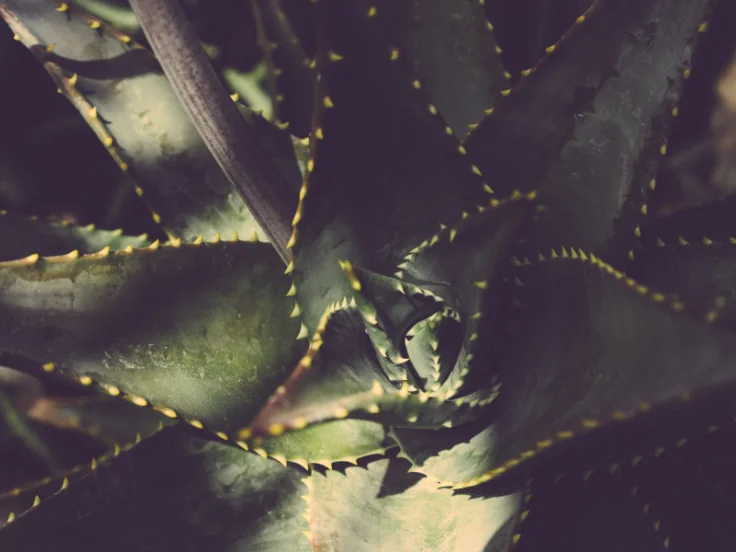
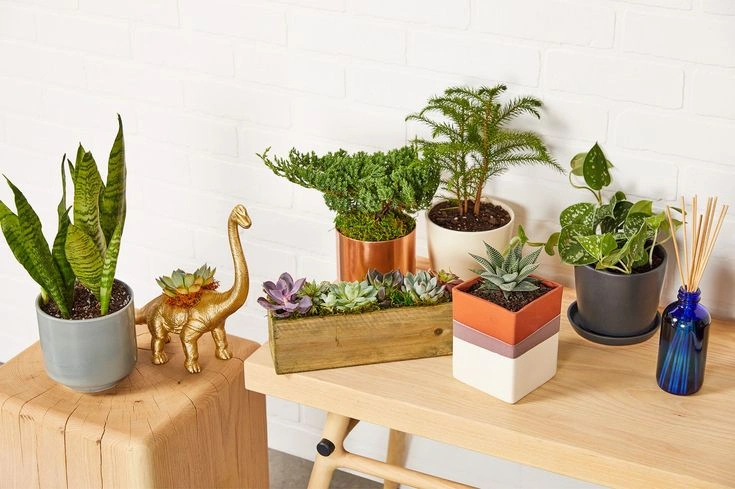
Aloe vera is classified as a succulent, which is a broader category than cactus. Succulents are plants that store water in leaves or stems. Cacti are a subgroup of succulents, but not all succulents are cacti. Aloe vera fits in the succulent group but not in the cactus subgroup.
This distinction fully answers the question is aloe vera plant a cactus the answer is no, it is simply a water-storing succulent.
Historical and Cultural Importance of Aloe Vera
Unlike most cacti, aloe vera carries centuries of cultural significance.
-
Ancient Egypt: Known as the “plant of immortality” and placed in pharaohs’ tombs.
-
Ayurveda: Used in India for skin conditions and digestive health.
-
Traditional Chinese Medicine: Used for detoxification and inflammation.
-
Modern Use: Found in skincare, cosmetics, drinks, and even air purifiers.
This medicinal and symbolic role sets aloe vera apart from cacti, which were valued more for food or survival in deserts.
Aloe Vera’s Medicinal Benefits
Another reason aloe vera often gets more attention than cacti is its wide health and skincare applications.
-
Skin Care – Soothes burns, moisturizes skin, reduces irritation.
-
Digestive Health – Aloe juice may support gut health and digestion.
-
Immune Support – Rich in antioxidants and vitamins.
-
Wound Healing – Accelerates recovery due to its bioactive compounds.
These benefits are rarely found in cacti, making aloe vera unique.
Aloe Vera Care Guide: Growing It at Home
To grow aloe vera successfully, treat it as a succulent rather than a cactus.
Soil
-
Use sandy, well-draining soil.
-
A cactus or succulent mix works best.
Watering
-
Follow the “soak and dry” method: water deeply, then let soil dry.
-
Overwatering is the biggest danger.
Sunlight
-
Indoors: Place near a bright, sunny window.
-
Outdoors: Best in partial sun with some shade from intense afternoon heat.
(For sunlight details, check this helpful resource: Do Aloe Plants Need Sun?)
Aloe Vera vs. Cactus Care
Although they share similarities, care requirements differ slightly.
-
Aloe vera enjoys filtered sunlight, while many cacti thrive in direct harsh sun.
-
Cacti can survive longer droughts compared to aloe vera, which benefits from periodic watering.
-
Aloe vera often grows faster than many cactus varieties.
Common Misconceptions About Aloe Vera
-
“Aloe vera doesn’t need water at all.” False; it still requires occasional deep watering.
-
“It only grows outdoors.” Wrong; it’s an excellent indoor plant.
-
“It is part of the cactus family.” Incorrect; aloe vera is a succulent, not a cactus.
Symbolism and Modern Popularity
In modern culture, aloe vera represents healing, resilience, and purity. This symbolism comes from its natural ability to survive in harsh climates and still provide medicinal benefits.
Meanwhile, cactus plants often symbolize endurance and toughness. Both plants inspire, but aloe vera has a more nurturing image compared to the defensive symbolism of cacti.
FAQs About Aloe Vera and Cactus
1. Is aloe vera a cactus or succulent?
Aloe vera is a succulent, not a cactus.
2. Can aloe vera survive in the desert like cactus?
Yes, but it still benefits from occasional watering, unlike many cacti.
3. Do aloe vera and cactus have the same medicinal uses?
No, aloe vera is famous for skin and health benefits, while cacti are mainly edible in some species.
4. Can aloe vera grow in cactus soil?
Yes, aloe vera thrives in cactus or succulent soil because it drains well.
5. Why is aloe vera called the “plant of immortality”?
Because ancient Egyptians believed it prolonged life and used it in sacred rituals.
6. Are all succulents related to cacti?
No. While all cacti are succulents, not all succulents are cacti. Aloe vera is proof of this difference.
Conclusion
So, is aloe vera plant a cactus? The answer is no. Aloe vera belongs to the Asphodelaceae family, making it a succulent but not a cactus. Despite sharing traits such as water storage, drought tolerance, and spiny edges, aloe vera stands apart with its medicinal value, symbolic history, and unique growth habits.
By knowing the difference, you can give aloe vera the right care bright indirect sunlight, sandy soil, and occasional watering. Unlike cacti, aloe vera offers powerful healing benefits, making it one of the most valuable succulents in the world. If you’re curious about its global recognition, learn more about aloe vera in Spanish and how the plant is understood across cultures.
In short, aloe vera may look like a cactus, but it is far more than that. It is a plant of healing, resilience, and timeless beauty. For further reading, you can check trusted resources like the National Center for Biotechnology Information (NCBI) Aloe Vera Studies or the Royal Horticultural Society Aloe Vera Care Guide.