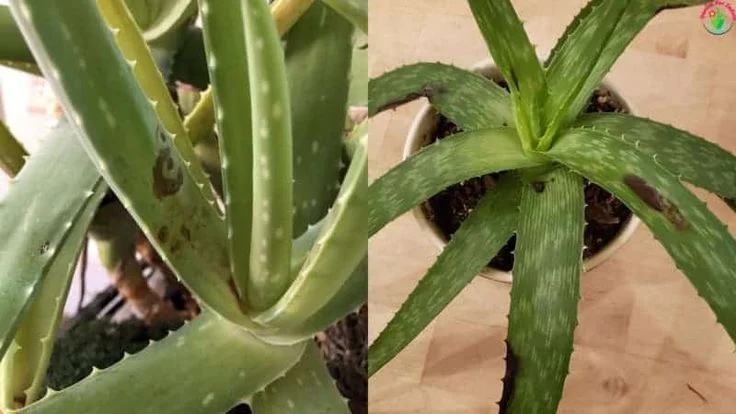
A common issue plant owners face is their aloe vera plant going brown. This succulent is known for its medicinal gel and low-maintenance care, yet brown leaves can be alarming. In this guide, you’ll learn why your aloe vera plant turns brown, how to fix it, and how to prevent it in the future. With clear tips and strategies, you can restore your plant’s lush green appearance and enjoy its benefits for years to come.
Understanding Why Your Aloe Vera Plant Is Going Brown
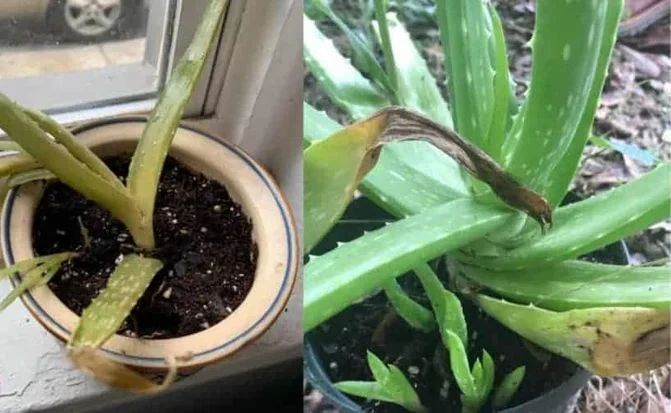
Aloe vera plants thrive in warm, dry environments and require minimal watering. However, when conditions are not ideal, they show visible stress. Brown leaves are the plant’s way of signaling that something is wrong.
By identifying the cause early, you can act promptly. Below are the most frequent reasons aloe vera plants develop brown tips or leaves.
Overwatering and Root Rot
One of the leading causes of aloe vera plant going brown is overwatering. Succulents store water in their leaves, so excess moisture suffocates roots, leading to rot.
If the leaves feel mushy and dark brown at the base, it’s likely root rot. Always use a well-draining cactus or succulent soil mix and ensure pots have drainage holes. Let the soil dry completely between waterings to avoid this issue.
Underwatering and Dehydration
On the opposite end, underwatering can also cause brown tips or edges. While aloe vera tolerates drought, extended neglect dries out the leaves.
Look for thin, curled leaves with crispy brown edges. Increase watering gradually — never shock the plant with too much water at once — and monitor the soil’s moisture to find the right balance.
Sunburn and Excessive Light
Another common culprit for aloe vera plant going brown is too much direct sunlight. Although aloe enjoys bright light, intense midday sun can scorch its leaves.
You may see brown, dry patches or white spots from sunburn. Move the plant to a location with filtered sunlight or provide shade during peak hours, especially if you grow it outdoors.
Poor Soil and Lack of Drainage
If your aloe vera is planted in dense or compacted soil, water cannot drain properly. Over time, the roots suffocate, and the leaves turn brown.
Repotting your plant in a loose, sandy succulent mix improves aeration and drainage. This small change can make a significant difference in the plant’s health.
Pest Infestations
Although aloe vera is hardy, it can attract pests like mealybugs or scale insects. These pests feed on sap, leaving brown or yellow marks on leaves.
Check under leaves for small cotton-like masses or sticky residue. Treat infestations with insecticidal soap or neem oil. Consistent inspection prevents pests from spreading.
Effective Solutions for a Brown Aloe Vera Plant
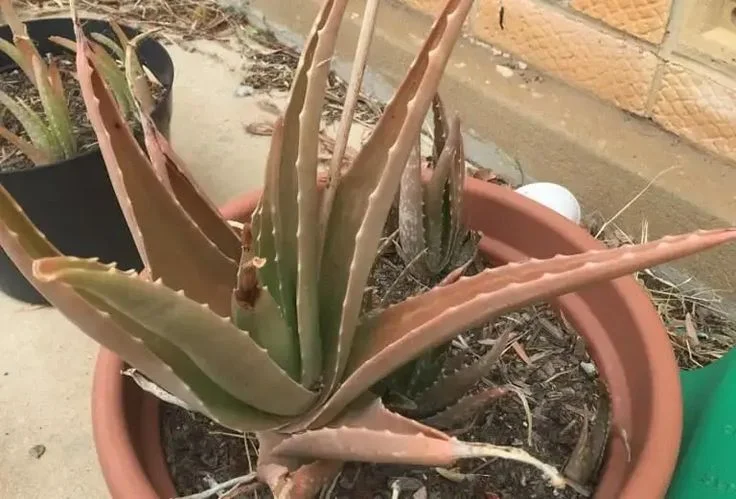
Once you’ve identified the cause, take corrective action. Addressing the issue promptly increases your plant’s chance of recovery.
Adjusting Watering Habits
If overwatering is the issue, remove the plant from its pot, trim off rotted roots, and let it dry for a day before repotting. Reduce watering frequency going forward.
If underwatering is the problem, slowly rehydrate the plant. Water thoroughly, allowing excess to drain, then wait until the soil is dry before watering again.
Providing the Right Light
Gradually acclimate your aloe vera to brighter or lower light conditions as needed. Indoors, place it near a south or west-facing window with indirect sunlight. Outdoors, use partial shade in extremely hot climates.
Improving Soil and Potting Conditions
Use a succulent mix with sand or perlite to improve drainage. Repot your aloe vera every two to three years to refresh the soil and prevent compaction. Ensure pots have at least one drainage hole.
Pest Control and Maintenance
Inspect your plant regularly for insects. Wipe leaves with a damp cloth or spray with neem oil to deter pests naturally. Quarantine any new plants before placing them near your aloe to prevent cross-infestation.
Preventing Aloe Vera Leaves from Turning Brown
Prevention is always easier than cure. By following these tips, you can maintain a healthy, vibrant aloe vera plant.
Establish a Routine
Create a simple care routine for watering, light exposure, and inspections. Consistency reduces stress on the plant and promotes healthy growth.
Use reminders or apps to track watering schedules this helps prevent both overwatering and underwatering.
Seasonal Adjustments
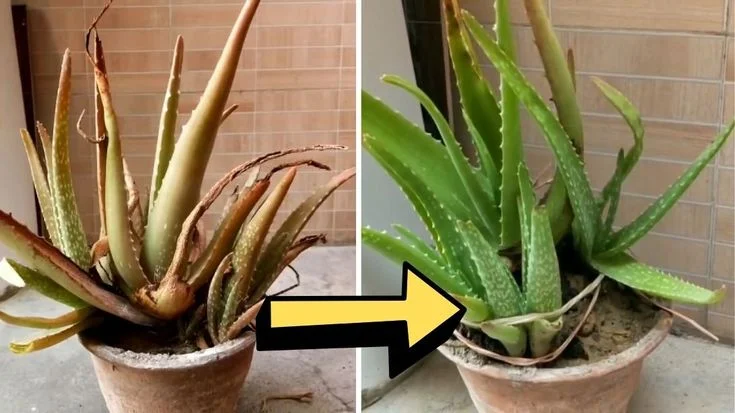
Aloe vera needs less water in winter when growth slows. Adjust watering frequency and light exposure based on the season. Therefore, understanding the seasonal care requirements of aloe vera is crucial for its health, and learning the right techniques can make a big difference.
By being proactive, you reduce the risk of seeing your aloe vera plant going brown again. For a more detailed guide on keeping your aloe healthy, check out this comprehensive article on how to care for a medicinal aloe plant here.
For further reading on succulent care, you can check this helpful guide from The Spruce: How to Grow and Care for Aloe Vera. This external link provides additional tips and reinforces your plant-care knowledge.
FAQs about Aloe Vera Plant Going Brown
1. Why are the tips of my aloe vera plant brown?
Brown tips are usually caused by underwatering, low humidity, or salt buildup from tap water. Flush the soil occasionally and adjust watering habits.
2. Can a brown aloe vera leaf turn green again?
No, once tissue is damaged, it cannot revert to green. However, new growth will be healthy if you correct the underlying issue.
3. Should I cut off brown leaves from my aloe vera plant?
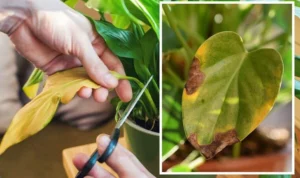
Yes, trim damaged leaves with sterilized scissors. This improves the plant’s appearance and allows it to focus energy on new growth.
4. How much sunlight does an aloe vera plant need?
Aloe vera thrives in bright, indirect sunlight for 6–8 hours a day. Avoid harsh midday sun to prevent scorching.
5. How often should I water my aloe vera plant?
Typically, water every 2–3 weeks in summer and less in winter. Always let the soil dry completely before watering again.
Conclusion: Reviving Your Aloe Vera Plant
Seeing your aloe vera plant going brown can be discouraging; however, it’s often reversible. First, by understanding the causes such as overwatering, underwatering, excessive sun, poor soil, or pests, you can take targeted action to restore your plant’s health. For detailed guidance on maintaining a healthy aloe plant, check out our comprehensive guide on how to care for an aloe vera plant.
For example, adjusting watering habits or improving soil drainage can make a big difference. Additionally, monitoring sun exposure and checking for pests regularly helps prevent further damage.
Moreover, establishing a consistent care routine ensures your aloe thrives. Meanwhile, making seasonal adjustments allows your plant to adapt to changing conditions. Also, proactively inspecting the leaves and roots helps catch problems early.
Consequently, your aloe vera remains vibrant and green year-round. Finally, with these tips, your plant can recover and thrive, therefore rewarding you with its healing gel and ornamental beauty. In fact, following these strategies consistently guarantees long-term success. Ultimately, proper care leads to a healthy and flourishing aloe vera plant.