Aloe vera is a versatile succulent, prized for its medicinal and cosmetic benefits. Learning how to grow aloe vera is simple and rewarding. Moreover, it adds greenery to your home while providing natural healing gel. With proper care and attention, aloe vera can thrive both indoors and outdoors. In this guide, you will learn step-by-step methods for growing healthy aloe plants.
Benefits of Aloe Vera
Aloe vera offers multiple advantages beyond decoration. Firstly, it provides medicinal properties, including relief for burns, cuts, and skin irritation. Secondly, it helps purify indoor air, improving overall home environment. Additionally, aloe vera requires minimal care, making it perfect for beginners. By understanding the benefits of growing aloe vera, you can ensure the plant receives proper care and thrives long-term.
Sunlight and Temperature for Aloe Vera
Sunlight Needs
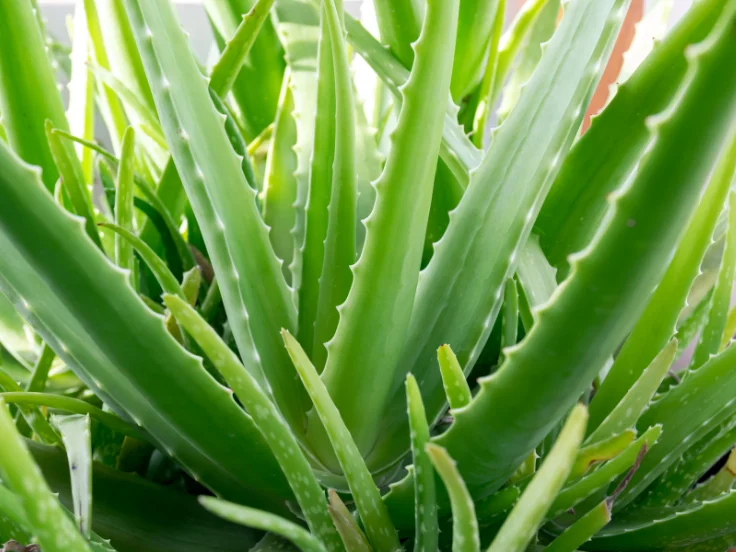
Aloe vera grows best in bright, indirect sunlight. Indoor plants thrive near south or west-facing windows, while outdoor plants benefit from morning sunlight and partial shade in peak hours. Rotating the plant occasionally ensures even light exposure, supporting consistent leaf growth. If you are learning how to grow aloe vera, sunlight is one of the most critical factors for success.
Temperature Range
This succulent prefers temperatures between 59°F and 77°F (15°C–25°C). Aloe vera is sensitive to frost, so if your area experiences cold winters, move potted plants indoors. Maintaining proper temperature encourages strong growth and healthy leaves.
Soil & Containers for Aloe Vera
Best Soil Mix
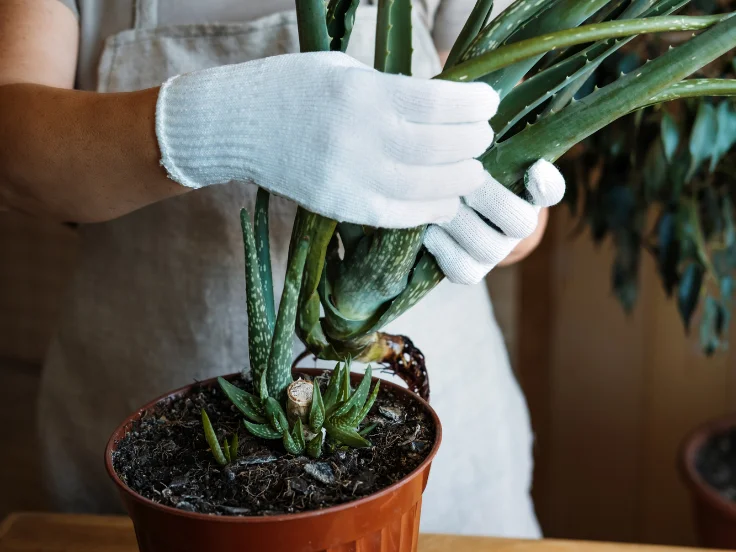
Well draining soil is essential for aloe vera. Use a cactus or succulent mix or create your own by combining potting soil, sand, and perlite equally. Avoid heavy soils that retain moisture, as this increases the risk of root rot. Proper soil preparation is key when learning how to grow aloe vera successfully.
Choosing Containers
Select a pot with drainage holes to prevent water accumulation. Terracotta pots are ideal, as they allow excess moisture to evaporate. Additionally, choose a container slightly larger than the root system to accommodate growth. Proper container selection directly affects the health and longevity of your aloe plant.
Watering Aloe Vera
Watering Tips
Overwatering is one of the most common mistakes. Water deeply but infrequently, allowing the soil to dry completely between watering. During spring and summer, water every 3 weeks; in fall and winter, reduce to once a month. Following proper watering techniques ensures healthy aloe vera growth. For more tips on keeping other low-maintenance plants thriving, check out our guide on how to care for air plants.
Signs of Overwatering
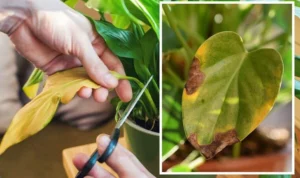
Yellowing or soft leaves often indicate excess water. If you notice these signs, allow the soil to dry before watering again. Adjusting the schedule seasonally helps maintain optimal plant health. Additionally, removing damaged leaves promptly can prevent further stress and promote new growth.
Fertilizing Aloe Vera
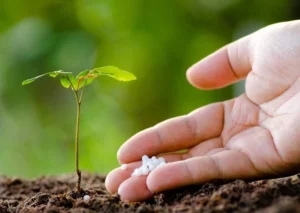
Aloe vera is a light feeder. Fertilize once during the growing season with a balanced, water soluble fertilizer at half strength. Avoid fertilizing in winter when the plant is dormant. Over-fertilizing can harm roots and stunt growth. Organic fertilizers like compost tea can provide nutrients naturally. Proper fertilization is another important step when learning how to grow aloe vera.
Propagating Aloe Vera
Using Pups
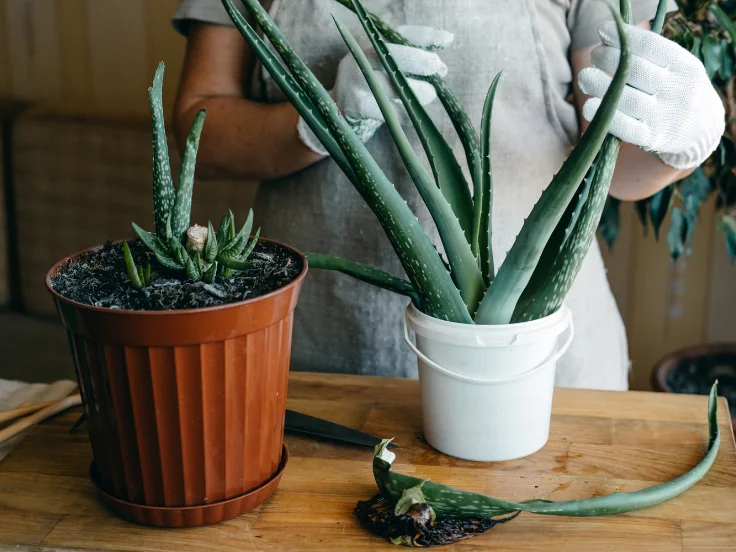
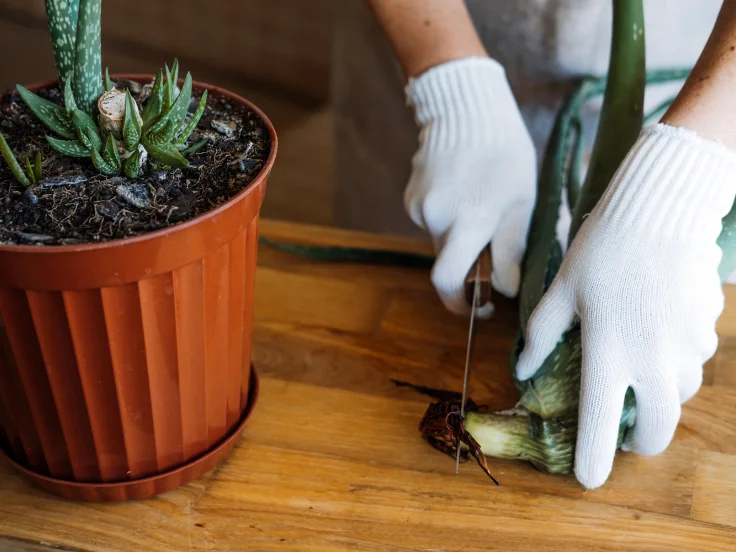
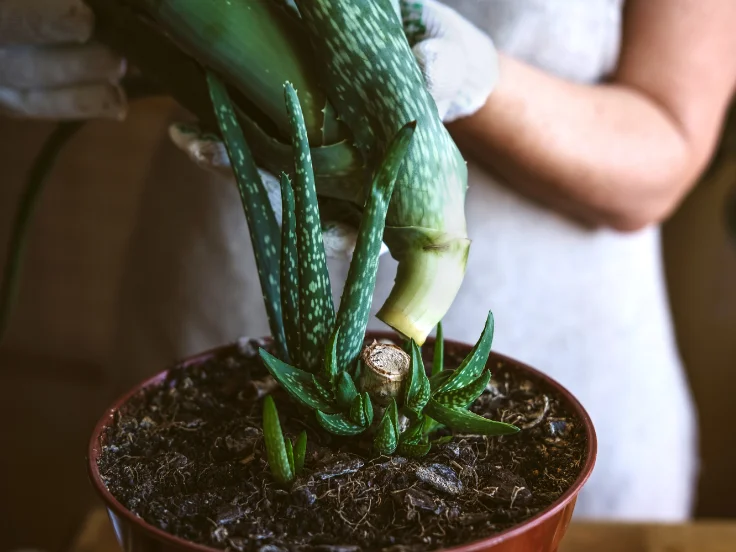
Propagation is simple using aloe pups, small offsets at the plant base. Wait until pups are at least 3 inches tall with roots, then gently separate. Let them callous for a few days before planting in fresh soil. After planting, water sparingly for the first few weeks to help the new plant establish strong roots.
Leaf Cuttings
Though less common, leaf cuttings can also be used. Cut a healthy leaf, let it dry, and plant it in well-draining soil. Keep soil slightly moist until roots develop. These methods allow you to expand your aloe collection and continue growing aloe vera effectively.
Pests and Diseases
Aloe vera is generally pest-resistant but may attract mealybugs, aphids, or spider mites. Regularly inspect your plant and treat infestations with neem oil or insecticidal soap. Root rot, caused by overwatering, is the main disease concern. Using well-draining soil and pots with drainage holes helps prevent this.
Expert Aloe Vera Tips
-
Rotate the plant for even sunlight exposure.
-
Remove yellow or damaged leaves to encourage growth.
-
Check soil moisture before watering to avoid overwatering.
-
Use natural fertilizers like compost tea for organic growth.
Following these tips ensures healthy, thriving aloe vera plants all year.
Indoor vs Outdoor Aloe Vera
Indoor aloe thrives in bright, indirect light, while outdoor plants need full sun with partial shade during peak hours. Mulching outdoors retains moisture without waterlogging roots. Indoor plants require careful monitoring due to lower humidity. Knowing the differences is crucial when deciding how to grow aloe vera indoors or outdoors.
Troubleshooting Common Issues
Leaf browning, root rot, or slow growth are common problems. Brown tips may indicate excessive sun, underwatering, or nutrient deficiencies. Root rot often comes from overwatering. Adjust care routines accordingly to maintain healthy aloe vera growth.
FAQs About Growing Aloe Vera
Q1: Can I use aloe vera gel directly from the plant?
Yes. Extract the clear gel and apply to burns, cuts, or dry skin. Wash leaves first.
Q2: How often should I repot aloe vera?
Repot every 2–3 years or when roots outgrow the pot. Use a slightly larger container each time.
Q3: Why are my aloe leaf tips turning brown?
Brown tips may result from too much sun, underwatering, or nutrient deficiency. Adjust care as needed.
Q4: Can aloe survive in low-light areas?
It can survive, but growth slows, and leaves may stretch and pale.
Q5: Is aloe vera safe around pets?
No. Aloe vera is toxic if ingested by cats or dogs. Keep out of reach.
Conclusion
Growing aloe vera is simple and rewarding. By following proper sunlight, soil, watering, fertilization, and propagation techniques, anyone can cultivate a healthy plant. For a more detailed guide on daily aloe vera care, check out our comprehensive tips here. Furthermore, learning how to grow aloe vera ensures that your plant thrives both indoors and outdoors, providing aesthetic appeal and natural healing benefits. Regular care and monitoring are key to long-term success.
With consistent attention, your aloe vera will produce new offsets, allowing you to expand your collection or share plants with friends and family. Additionally, incorporating aloe vera into your home décor adds a touch of greenery and freshness. Finally, enjoying the benefits of fresh aloe gel straight from your own plant offers a natural, chemical-free way to care for your skin and hair.
For more tips, visit The Old Farmer’s Almanac.