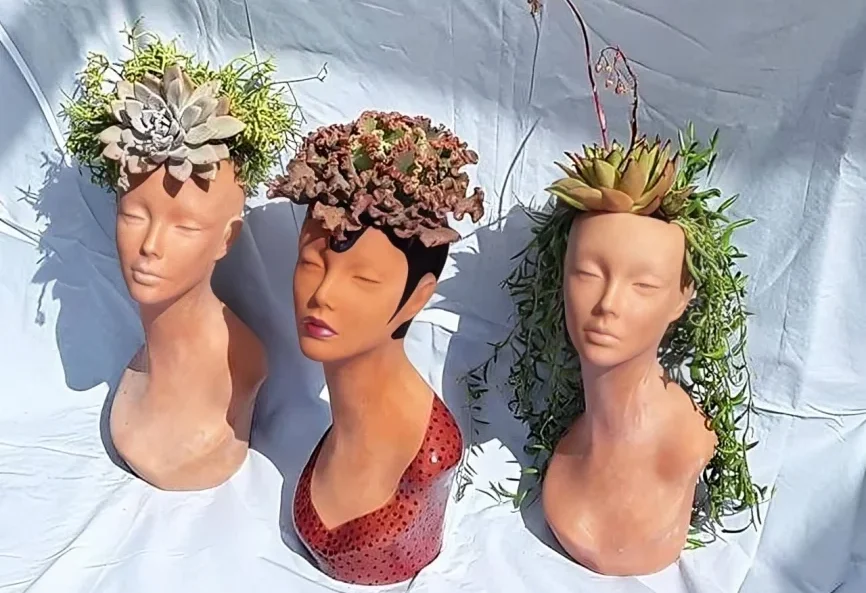
Decorating planters with colorful “hair” is a playful and stylish trend. Wondering what to use to decorate a planter with orange hair? From vibrant plants to synthetic fibers, several creative options exist. Choosing the right material ensures your head planter looks bold, fun, and full of personality.
The best options for decorating a planter with orange hair include orange flowering plants like kalanchoe, marigolds, and bromeliads, as well as dyed moss, orange yarn, synthetic wigs, and ribbons. These materials create bright, textured styles that work indoors and outdoors.
Why Orange Hair Decorations Stand Out in Planters
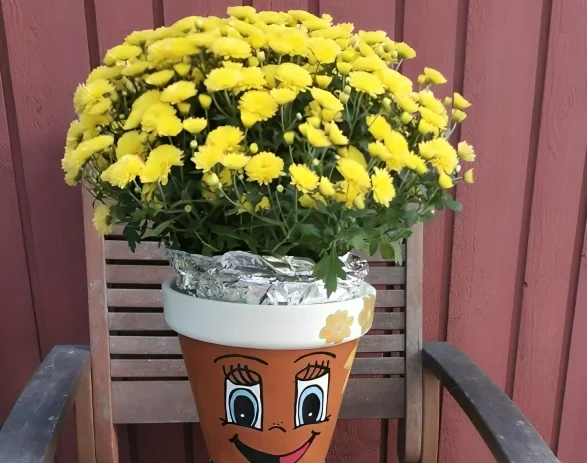
Orange hair instantly grabs attention and makes a planter look bold. Because the color is vibrant, it contrasts beautifully with neutral pots. Moreover, it adds energy and personality to any décor style.
Adding Bold Visual Impact
Orange is a lively, energetic color that makes any planter pop. Using orange hair instantly draws attention and highlights the plant’s details. Moreover, it pairs well with neutral-colored pots, making the “hair” the star of the design.
Matching Different Décor Styles
Because orange suits both modern and rustic aesthetics, it works in many spaces. For example, bright yarn fits playful rooms, while orange succulents enhance bohemian vibes. Consequently, orange planter hair feels versatile yet always striking.
Plants That Create Natural Orange Hair
Orange flowering plants like marigolds, kalanchoe, and bromeliads create vivid hairstyles. Similarly, succulents with orange tones add natural texture. These options bring life and brightness to your planter.
Orange-Flowering Plants
Flowering plants with orange blooms provide authentic, colorful hairstyles. Good options include:
-
Marigolds: Compact flowers that mimic curly orange locks.
-
Kalanchoe: Small blossoms that create bright texture.
-
Bromeliads: Exotic orange spikes perfect for statement hair.
Although these require care, their vibrant hues bring your planter to life.
Succulents and Trailing Plants
Certain succulents and trailing plants grow with orange tones. Sedum varieties often shift from green to orange in the sun. Similarly, some trailing coleus have warm orange shades. In addition, these plants add cascading effects, mimicking natural hairstyles.
Non-Plant Materials for Orange Planter Hair
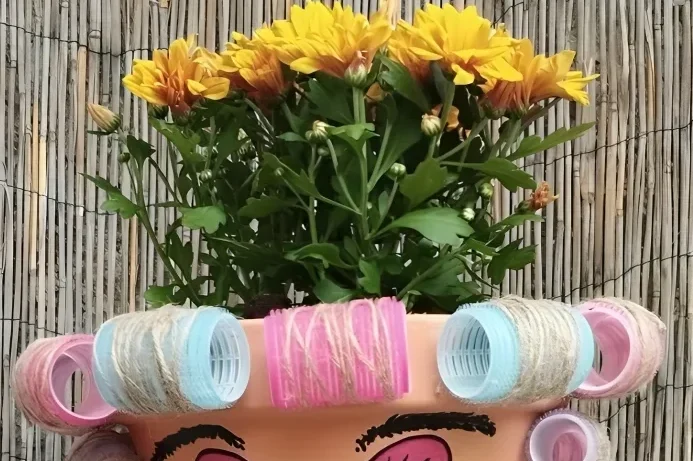
Synthetic wigs, yarn, ribbons, and dyed moss can mimic orange hair. Unlike live plants, these require no maintenance. In addition, they allow endless styling possibilities indoors and outdoors.
Dyed Moss and Natural Fibers
Dyed moss is lightweight, easy to shape, and richly colored. Similarly, coir and jute can be dyed orange, creating textured dreadlock-like strands. Moreover, moss blends well with greenery, adding contrast and fullness.
Yarn, Ribbons, and Synthetic Wigs
Yarn remains one of the easiest materials to style. Orange yarn creates curls, braids, or layered strands. Ribbons add shine and movement, while synthetic wigs allow realistic textures. In addition, faux hair requires no maintenance and lasts outdoors with weather-resistant products.
Styling Tips for Orange Planter Hair
Blending textures makes orange hair more realistic and creative. For example, pair moss with yarn or mix orange blooms with faux fibers. Therefore, layering different materials ensures depth and fun styling.
Blending Colors and Textures
Although orange is striking, blending it with other shades enhances impact. For example, pairing orange yarn with green moss creates natural highlights. Moreover, combining orange flowers with darker fibers ensures depth and realism.
Seasonal and Themed Styles
Orange planter hair works perfectly in seasonal designs. For instance, autumn themes shine with orange succulents and faux leaves. Similarly, Halloween planters become festive with orange wigs and ribbons. Consequently, themed styling keeps your décor fresh.
Common Mistakes to Avoid
Using fragile or fading materials leads to quick disappointment. Moreover, overcrowding can hide planter details and stress plants. Instead, balance coverage and choose weather-resistant options for lasting beauty.
Using Fading or Fragile Materials
Some fabrics fade quickly outdoors. Instead, use UV-resistant materials. Moreover, avoid untreated fibers that mold. Choosing durable options ensures lasting color and style.
Overpowering the Planter Face
Too much orange can overwhelm the planter’s facial features. Balance volume and placement carefully. While bold looks are fun, moderation highlights planter expressions. Therefore, regular trimming and styling are essential to maintain a fresh appearance. If you’re noticing browning or other issues with your plant, learn more about preventing aloe vera from going brown here.
DIY Example: Orange Yarn Hairstyle for a Planter
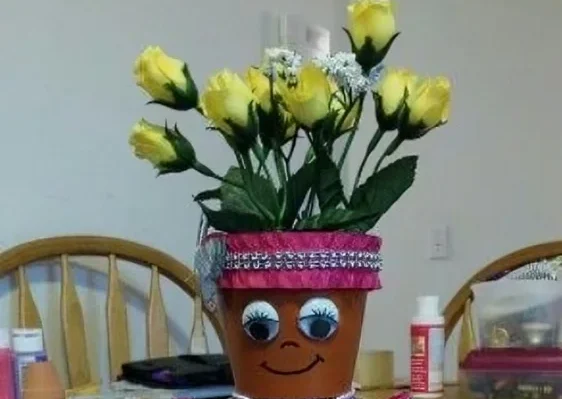
Orange yarn is an affordable and versatile way to style planter hair. Simply cut, layer, and glue strands along the rim for curls or braids. Moreover, this method works year-round and needs no maintenance.
-
Select a head planter with a neutral base.
-
Cut orange yarn into different lengths.
-
Glue or tie strands along the planter rim.
-
Layer pieces for fullness and texture.
-
Add ribbons or beads for accents.
-
Style into braids, curls, or waves.
This method is budget-friendly and customizable. Moreover, it works indoors year-round.
Inspiration Ideas for Orange Planter Hair
From marigold blooms to synthetic wigs, orange planter hair allows endless creativity. For example, you can try rustic moss, playful yarn braids, or bold bromeliads. Consequently, each design turns your planter into a fun statement piece.
-
Marigolds + moss: Curly, natural orange bob.
-
Bromeliad spikes: Bold, fiery hairstyle.
-
Orange yarn braids: Playful, bohemian style.
-
Synthetic orange wig: Realistic, dramatic look.
-
Dyed jute twists: Rustic, textured dreadlock effect.
Conclusion
Choosing what to use to decorate a planter with orange hair opens endless creative possibilities. First, you can select marigolds, sedum, or bromeliads for natural flair. Moreover, dyed moss, orange yarn, or synthetic wigs provide playful alternatives. Because orange is bold, it always transforms plain planters into eye-catching art.
In addition, you can experiment with both living plants and synthetic fibers. Similarly, mix textures for depth, and also add small accessories for charm. Furthermore, explore seasonal looks, since autumn tones pair perfectly with orange hair.
For inspiration on using unique plants like air plants in your décor, see this guide on how to care for Tillandsia air plants here. However, balance is key, because too much volume hides the planter features. Therefore, style carefully and trim when needed. Ultimately, with creativity, your planter becomes not just décor but rather a lively conversation piece.
FAQ:
What plants can I use for orange hair in a planter?
Orange marigolds, kalanchoe, and bromeliads are excellent plants. They provide vibrant orange blooms that mimic natural hair textures.
Can I use synthetic materials for orange planter hair?
Yes. Orange yarn, synthetic wigs, and dyed moss create bold planter hairstyles. These materials require no watering and last much longer than flowers.
How do I make orange planter hair last outdoors?
Use UV-resistant yarn, weatherproof faux wigs, or hardy plants like sedum. This ensures durability, even with sun or rain exposure.
How do I style a planter with orange hair creatively?
Mix textures by pairing orange yarn with moss or orange flowers with ribbons. Layering adds depth, while accessories give your planter personality.