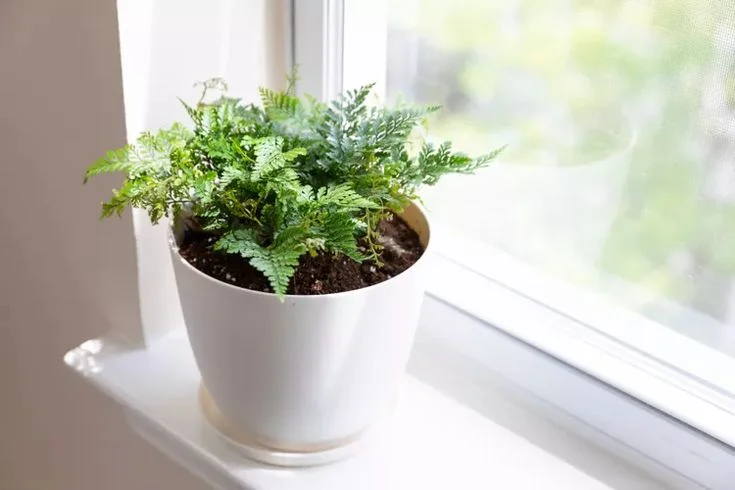
If you are looking for a striking houseplant with unique character, then learning how to care for a rabbit foot fern (Davallia fejeensis) is essential. Known for its fuzzy, rabbit-foot-like rhizomes that creep over the edge of pots, this fern adds a tropical charm to any indoor space. Unlike many ferns, rabbit foot ferns are relatively low-maintenance if given the right conditions.
In this comprehensive guide, we will cover everything you need to know, including light, watering, soil, repotting, humidity, and pest management. By following these steps, you will ensure your fern not only survives but flourishes for years.
What Makes Rabbit Foot Fern Unique?
The rabbit foot fern stands out due to its hairy rhizomes that resemble animal feet. These rhizomes grow above the soil, creeping across the pot’s surface or hanging over the edges.
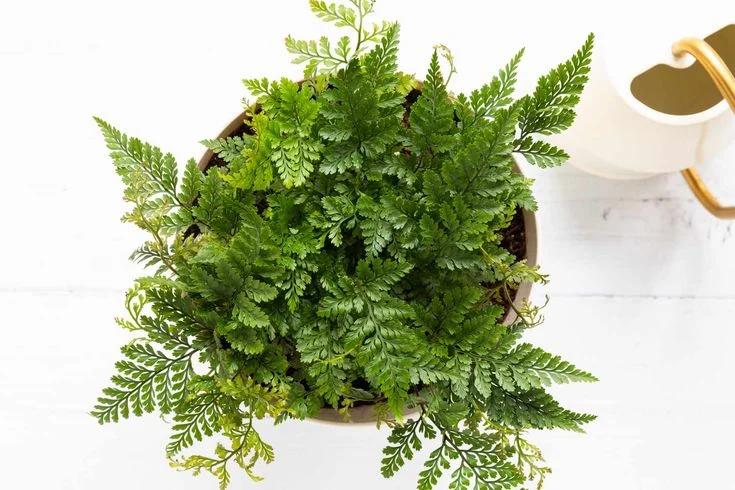
Additionally, its delicate, lace-like fronds provide a soft, tropical look, making it a favorite for plant collectors. While stunning, this fern also requires specific care to thrive.
Light Requirements to Care for a Rabbit Foot Fern
Providing the right light requirements for rabbit foot ferns is key to ensuring strong, vibrant growth. These ferns thrive in bright, indirect light, making them ideal for placement near an east- or north-facing window where they receive filtered sunlight. Direct sunlight should be avoided, as it can scorch the delicate fronds and dry out the fuzzy rhizomes.
On the other hand, too little light may cause weak, leggy growth and pale fronds. If natural light is limited, you can supplement with fluorescent or LED grow lights to maintain healthy foliage. By giving your rabbit foot fern steady, indirect light, you create the perfect conditions for lush fronds and long-lasting beauty indoors.
Bright, Indirect Light Is Best
Rabbit foot ferns prefer bright but indirect light. Place them near a north- or east-facing window for optimal growth.
Avoid Direct Sunlight
Too much direct sunlight can scorch the fronds, while too little light causes leggy growth. Therefore, a balance of filtered light is crucial.
Watering Needs When You Care for a Rabbit Foot Fern
Understanding the watering needs of rabbit foot ferns is vital for keeping this tropical plant healthy and vibrant. These ferns prefer soil that is consistently moist but never soggy, so it’s best to water when the top layer of soil begins to dry out slightly.
Always use room-temperature water, as cold water can shock the roots and stress the plant. Equally important, avoid overwatering, since excess moisture may lead to root or rhizome rot. Ensure your pot has proper drainage to keep the balance right.
During the warmer months, your rabbit foot fern may need more frequent watering, while in winter, reduce the schedule as growth slows. By maintaining the correct watering routine, you’ll help your fern produce lush fronds and keep its distinctive rhizomes strong and healthy.
Keep Soil Evenly Moist
To properly care for a rabbit foot fern, keep the soil consistently moist. Allow the top layer to dry slightly before watering again.
Use Room Temperature Water
Cold water can shock the roots. Instead, always use room-temperature water for the best results.
Prevent Overwatering
Equally important, avoid soggy soil, which can lead to root rot. Ensure the pot has drainage holes for healthy growth.
Soil and Potting Mix to Care for a Rabbit Foot Fern
Choose a Loose, Well-Draining Mix
Rabbit foot ferns thrive in a light, airy soil mix. A blend of peat moss, perlite, and orchid bark works perfectly.
Avoid Heavy Soils
Dense or clay-heavy soil retains too much moisture, suffocating the rhizomes. Transitioning to a breathable mix helps the fern flourish.
Humidity and Temperature Needs to Care for a Rabbit Foot Fern
Understanding the humidity and temperature requirements is essential to care for a rabbit foot fern and keep it thriving indoors. Since this tropical plant originates from warm, humid environments, it performs best in humidity levels above 50%. If your home has dry air, consider using a humidifier, placing the pot on a pebble tray with water, or misting the fronds several times a week.
Along with humidity, maintaining the right temperature is equally important. Rabbit foot ferns prefer a consistent range of 60–75°F (16–24°C) and should be kept away from cold drafts, heating vents, or air conditioners that can cause stress.
By providing a warm environment with steady moisture in the air, your rabbit foot fern will remain lush, healthy, and full of vibrant fronds.
High Humidity Is Essential
As a tropical plant, the rabbit foot fern loves humidity above 50%. Use a humidifier, mist regularly, or place the pot on a pebble tray with water.
Maintain Moderate Temperatures
Keep your fern in a range of 60–75°F (16–24°C). Avoid drafts, heaters, or air conditioners that can stress the plant.
Fertilizing Tips to Care for a Rabbit Foot Fern
Proper feeding plays a key role in how you successfully care for a rabbit foot fern, helping it maintain lush, green fronds and steady growth. During the active growing season in spring and summer, apply a balanced liquid fertilizer diluted to half strength once a month.
This provides essential nutrients without overwhelming the delicate roots and rhizomes. Avoid using strong or full-strength fertilizers, as they can scorch the fronds and damage the plant. In fall and winter, when growth slows naturally, stop fertilizing to prevent nutrient buildup in the soil. Consistent, gentle feeding during the right seasons will keep your rabbit foot fern healthy, vibrant, and thriving year-round.
Monthly Feeding During Growth
During spring and summer, feed your fern with a diluted balanced liquid fertilizer once a month.
Stop Fertilizing in Winter
In fall and winter, growth slows down. At this stage, pause fertilizing to prevent stress.
Repotting Guide to Care for a Rabbit Foot Fern
Repotting is an important step in learning how to properly care for a rabbit foot fern, as it ensures healthy growth and prevents overcrowding of the unique rhizomes. Typically, these ferns need repotting every 2–3 years or when the rhizomes begin spilling extensively over the pot’s edges.
When repotting, choose a slightly larger container with good drainage and prepare a light, airy mix of peat moss, perlite, and orchid bark. Carefully lift the fern from its old pot, being gentle with the delicate rhizomes, and place it in the new container without burying the fuzzy roots beneath the soil.
After repotting, water lightly and maintain high humidity to reduce transplant shock. By repotting at the right time and handling with care, your rabbit foot fern will continue to thrive and produce fresh, vibrant fronds.
When to Repot
Repot your fern every 2–3 years or when the rhizomes spill over the pot’s edges excessively.
How to Repot
Gently lift the plant, place it in a slightly larger container, and use fresh potting mix. Since rabbit foot ferns dislike disturbance, handle the rhizomes carefully.
Pruning and Grooming Tips for Rabbit Foot Ferns
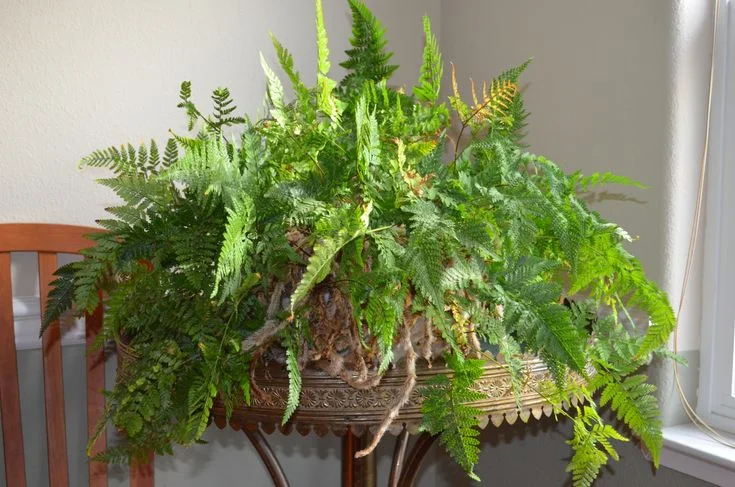
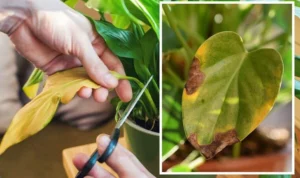
Proper pruning and grooming are essential to care for a rabbit foot fern and keep it looking lush and healthy. Regularly inspect the fronds and trim away any yellow, brown, or damaged leaves using clean, sharp scissors to prevent the spread of disease. While pruning, take care not to cut or bury the fuzzy rhizomes, as they are the key to new growth and the fern’s unique appearance.
Light grooming, such as gently wiping dust off the fronds, also helps the plant absorb more light and stay vibrant. By maintaining a consistent pruning routine, you not only improve the fern’s overall appearance but also encourage fresh, healthy fronds to develop, ensuring your rabbit foot fern remains a striking feature in your indoor garden.
Trim Dead or Yellow Fronds
Pruning helps maintain a tidy look. Use clean scissors to remove damaged fronds.
Maintain the Rhizomes
Never bury the rhizomes under soil. Instead, let them rest on top for optimal growth and visual appeal.
Common Problems and Solutions in Rabbit Foot Fern Care
When learning how to care for a rabbit foot fern, it’s important to recognize common issues and their solutions early. One frequent problem is yellowing or browning fronds, often caused by low humidity or inconsistent watering. To fix this, increase humidity with regular misting or a pebble tray and ensure the soil remains evenly moist.
Another issue is root and rhizome rot, which typically results from overwatering or poor drainage. Always use a well-draining potting mix and containers with drainage holes to prevent water from stagnating around the roots.
Additionally, pests such as scale insects and spider mites may attack rabbit foot ferns. Treating infestations promptly with neem oil or insecticidal soap can restore plant health. For more details on identifying and managing spider mites, you can check out this helpful guide on signs of spider mites.
By addressing these problems promptly, you can maintain vibrant growth and ensure your rabbit foot fern thrives year-round.
Browning Fronds
If the fronds turn brown, it may be due to low humidity or underwatering. Increase misting and check your watering routine.
Root or Rhizome Rot
Overwatering causes rot. Always ensure your pot drains well.
Pest Infestations
Rabbit foot ferns may attract pests like scale or spider mites. Use insecticidal soap or neem oil if infestations occur.
Propagation of Rabbit Foot Ferns Through Rhizome Division
Propagating a rabbit foot fern is a simple yet rewarding process, and the best method is through division of its rhizomes. These fuzzy, foot-like rhizomes naturally grow above the soil and can be carefully separated during repotting.
To begin, choose a healthy fern and gently lift it from its container. Using clean scissors or your hands, cut or separate sections of the rhizomes, making sure each piece has at least one frond attached. Next, place the divided sections into small pots filled with a well-draining, airy mix and water lightly. Keep the soil consistently moist and maintain high humidity to encourage new growth.
With patience and the right environment, each division will develop into a thriving new plant, allowing you to expand your collection or share with fellow plant enthusiasts.
Divide the Rhizomes
The easiest way to propagate is by carefully dividing the rhizomes during repotting.
Plant Each Division
Place each section in a small pot with fresh mix and keep humidity high until new growth appears.
Styling and Display Ideas for Rabbit Foot Ferns Indoors

These ferns look incredible in hanging baskets, allowing their rhizomes to drape naturally.
They also make excellent tabletop or shelf plants, where the fuzzy rhizomes can be displayed.
FAQs About Care for a Rabbit Foot Fern
Q1: Is the rabbit foot fern safe for pets?
Yes! Rabbit foot ferns are non-toxic to cats and dogs, making them an excellent choice for pet owners.
Q2: How often should I mist my rabbit foot fern?
Mist lightly 2–3 times per week, especially if your home has dry air.
Q3: Can rabbit foot ferns grow outdoors?
Yes, they can thrive outdoors in warm, humid climates (USDA zones 10–12). However, bring them indoors when temperatures drop.
Q4: Why are my fern’s rhizomes turning brown?
Rhizomes naturally darken as they age, but excessive browning may indicate overwatering or poor airflow.
Conclusion: How to Successfully Care for a Rabbit Foot Fern
To successfully care for a rabbit foot fern, focus on light, humidity, and consistent moisture. With proper soil, regular feeding, and careful pruning, this unique fern will reward you with lush fronds and charming rhizomes that make it a standout indoor plant.
If you’re also managing indoor greenery, you might find it helpful to learn how to handle issues like leaf loss in other popular houseplants, such as the rubber plant losing leaves.
By giving it the right environment, your fern will not just survive it will thrive for years.
For more detailed plant care guides, visit The Spruce’s Houseplant Guide.